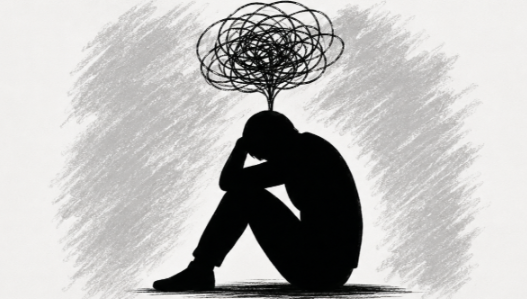
People on the outside often ask the same question:
“If the relationship is so toxic, why don’t they just leave?”
What many don’t understand is that narcissistic abuse rarely starts with cruelty. It usually begins with intense affection, emotional closeness, and the feeling of finally being deeply understood. By the time the manipulation becomes obvious, emotional attachment has already formed.
That’s what makes the narcissist cycle of abuse so difficult to escape.
The relationship becomes emotionally confusing. One moment feels loving and hopeful, while the next feels painful and emotionally draining. Victims are left constantly searching for stability, trying to recover the affection that existed in the beginning.
Over time, this emotional cycle creates dependency, self-doubt, anxiety, and trauma bonding. Many people stay trapped for months or even years without fully understanding why leaving feels so emotionally impossible.
Understanding the cycle is the first step toward breaking it.
What Is the Narcissist Cycle of Abuse?
The narcissist cycle of abuse is a repeated emotional pattern often seen in toxic relationships involving narcissistic behavior. The cycle usually includes four major stages:
- Idealization
- Devaluation
- Discard
- Hoovering
These stages repeat over and over, creating emotional instability that slowly weakens the victim’s confidence and emotional independence.
Unlike healthy relationships, where communication and trust create stability, narcissistic relationships thrive on emotional unpredictability.
The victim never knows what version of the person they will get next.
That uncertainty becomes emotionally exhausting.
The Beginning Usually Feels Perfect
One reason victims struggle to recognize narcissistic abuse early is because the relationship often begins intensely.
In the idealization phase, the narcissistic partner may:
- Give constant attention
- Offer endless compliments
- Move the relationship forward quickly
- Make grand promises
- Seem deeply emotionally connected
- Mirror your values and interests
Many survivors later describe this stage as feeling “too good to be true.”
The emotional intensity creates rapid attachment. The victim feels chosen, important, and emotionally safe.
This phase is often called love bombing because the affection feels overwhelming and nonstop.
At first, it doesn’t feel dangerous.
It feels like love.
The Shift Happens Slowly
After emotional attachment forms, the relationship usually begins to change.
The affection becomes inconsistent. Criticism slowly appears. Emotional confusion replaces emotional security.
The narcissistic partner may:
- Become distant without explanation
- Use silent treatment
- Start arguments over small issues
- Make sarcastic or hurtful comments
- Ignore emotional needs
- Blame the victim during conflicts
The victim often responds by trying harder.
Instead of recognizing manipulation, they focus on fixing the relationship.
They may think:
- “Maybe I’m overreacting.”
- “Maybe they’re stressed.”
- “If I communicate better, things will improve.”
That hope keeps the cycle alive.
Emotional Confusion Creates Dependency
Healthy relationships feel emotionally stable. Narcissistic relationships feel emotionally unpredictable.
That unpredictability creates a powerful emotional effect. Moments of affection become rare, which makes them feel more valuable when they happen.
The victim begins emotionally chasing approval and validation.
Small moments of kindness suddenly feel deeply meaningful because emotional pain has become normal. This creates emotional dependency.
Instead of feeling secure in the relationship, the victim feels anxious, hyperaware, and emotionally attached to temporary moments of affection.
The relationship becomes emotionally addictive.
Gaslighting Makes Victims Doubt Themselves
One of the most damaging parts of narcissistic abuse is gaslighting.
Gaslighting is a manipulation tactic that causes someone to question their own thoughts, memories, or emotional reactions.
Examples include:
- “That never happened.”
- “You’re too sensitive.”
- “You always overreact.”
- “You’re imagining things.”
- “You’re the real problem.”
Over time, the victim starts losing confidence in their own judgment.
Instead of trusting their instincts, they begin relying on the narcissistic partner for emotional validation.
This weakens emotional independence and increases psychological control.
The victim may eventually feel unable to trust themselves without the other person’s approval.
Why Trauma Bonding Feels So Strong
Trauma bonding is one of the biggest reasons narcissistic relationships feel impossible to leave.
A trauma bond forms when emotional pain and emotional relief become deeply connected.
The cycle often works like this:
- Emotional harm happens
- Anxiety and emotional distress increase
- The narcissistic partner suddenly becomes affectionate again
- Relief feels emotionally powerful
- Attachment deepens
The brain begins associating relief with love.
This creates a psychological attachment that feels extremely intense.
Victims often confuse emotional intensity with emotional connection.
But healthy love does not require emotional suffering to feel valuable.
The Victim Slowly Loses Confidence
Long-term narcissistic abuse gradually changes how victims see themselves.
At first, they may enter the relationship feeling confident and emotionally stable.
Over time, many begin experiencing:
- Constant self-doubt
- Anxiety
- Emotional exhaustion
- Fear of conflict
- Low self-esteem
- Guilt
- Shame
- Isolation
They may stop expressing opinions freely because they fear criticism or emotional punishment.
Some survivors say they no longer recognized themselves by the end of the relationship.
That emotional erosion doesn’t happen overnight.
It happens slowly through repeated manipulation and emotional instability.
Why Leaving Feels Emotionally Terrifying
Many victims know the relationship is unhealthy long before they leave.
But emotional attachment still exists.
Leaving often feels terrifying because the victim has become emotionally conditioned to depend on the relationship for validation, reassurance, and identity.
Common fears include:
- Fear of being alone
- Fear of regret
- Fear the narcissist will change for someone else
- Fear of starting over
- Fear of emotional withdrawal
- Fear of losing the “good version” of the partner
The victim isn’t only leaving a relationship.
They are also grieving:
- The future they imagined
- The person they hoped existed
- The emotional highs from the beginning
- The idea that things might finally improve
That grief can feel overwhelming.
The Discard Stage Causes Deep Emotional Pain
In many narcissistic relationships, the narcissistic partner eventually withdraws emotionally or physically.
This is often called the discard stage.
The person may:
- Suddenly end the relationship
- Become emotionally cold
- Ignore communication
- Move on quickly
- Act indifferent to the pain they caused
For the victim, this feels deeply shocking.
After investing emotionally for so long, the sudden lack of empathy creates intense confusion and heartbreak.
Many victims blame themselves during this stage.
They replay conversations, search for answers, and desperately try to understand what happened.
But narcissistic relationships often end without healthy closure.
Hoovering Pulls Victims Back In
Just when the victim begins emotionally detaching, the narcissistic person may suddenly return.
This stage is called hoovering.
The narcissistic partner may:
- Apologize emotionally
- Promise to change
- Send emotional messages
- Bring up happy memories
- Act vulnerable
- Suddenly become affectionate again
This temporary affection creates hope.
Victims often believe:
- “Maybe this time will be different.”
- “Maybe they finally understand.”
- “Maybe the relationship can be fixed.”
Unfortunately, the cycle usually repeats again shortly afterward.
That repetition is what keeps many people trapped for years.
Signs You May Be Stuck in the Cycle
Many survivors don’t realize they are experiencing narcissistic abuse until the emotional damage becomes severe.
Common signs include:
- Feeling emotionally drained most of the time
- Constantly apologizing
- Walking on eggshells
- Fear of upsetting your partner
- Obsessively analyzing conversations
- Feeling addicted to their approval
- Losing confidence in yourself
- Feeling anxious when they pull away
- Craving the affection from the beginning
If the relationship feels emotionally unstable more often than emotionally safe, that is an important warning sign.
Healing Starts With Awareness
Breaking free from the narcissist cycle of abuse usually begins with recognizing the pattern.
Awareness helps reduce self-blame.
Victims begin realising the following:
- The confusion was intentional
- The emotional highs and lows were part of the cycle
- Their reactions were normal responses to manipulation
- Emotional exhaustion is not love
Healing is rarely instant.
Many survivors go through stages of:
- Grief
- Anger
- Sadness
- Emotional numbness
- Relief
- Self-discovery
Recovery takes time because emotional abuse affects confidence, identity, and nervous system responses.
How Survivors Begin Rebuilding Their Lives
Healing often involves reconnecting with yourself.
Some helpful recovery steps include:
Rebuilding Support Systems
Talking to trusted friends, family, or therapists can help restore emotional clarity.
Setting Strong Boundaries
Boundaries protect emotional well-being and reduce manipulation.
Limiting Contact
Some survivors choose no contact to prevent repeated emotional cycles.
Learning Healthy Relationship Standards
Healthy relationships include:
- Respect
- Stability
- Emotional safety
- Honest communication
- Accountability
Focusing on Self-Identity
Many survivors rediscover hobbies, goals, interests, and personal confidence after leaving toxic relationships.
Recovery is about more than leaving the relationship.
It’s about rebuilding emotional peace.
Final Thoughts
The narcissist cycle of abuse feels impossible to escape because it creates emotional dependency through confusion, inconsistency, and trauma bonding. Victims are not weak for struggling to leave. The cycle is designed to create attachment while slowly damaging confidence and emotional independence. But once the pattern becomes clear, healing becomes possible. The relationship may have taught you to doubt yourself, chase validation, and accept emotional instability as normal. Healing teaches the opposite. Real love should never leave you constantly anxious, emotionally drained, or afraid of losing yourself. Healthy love feels safe, steady, respectful, and emotionally honest. And no matter how trapped someone feels today, it is possible to break the cycle and rebuild a life that no longer revolves around emotional pain.