Many business owners don’t think much about their roof until something goes wrong. A leak appears, water stains show up on the ceiling, or employees notice moisture during a storm. By the time these problems become visible, the damage may already be significant.
This is why routine roof inspections are so important for commercial buildings. A professional inspection can identify early warning signs before they turn into expensive repairs. For property managers and building owners, investing in commercial roof inspection services is one of the most practical steps toward protecting their property.
Understanding how inspections work and why they matter can help businesses avoid unexpected roofing issues in the future.
Why Commercial Roofs Require Regular Inspections
Commercial roofing systems are built differently from residential roofs. Many commercial buildings use flat or low-slope roofs that require specialized materials and maintenance.
These roofs are constantly exposed to environmental factors such as sunlight, wind, rain, and temperature fluctuations. Over time, these conditions can cause gradual wear that may not be immediately visible.
Regular inspections help identify problems such as:
- Small membrane punctures
- Damaged flashing around vents and edges
- Drainage issues or standing water
- Early signs of leaks
- Material deterioration
Detecting these issues early allows building owners to address them before they lead to larger structural damage.
Preventing Expensive Repairs
One of the biggest advantages of routine roof inspections is cost prevention. Minor roofing problems can quickly escalate if they are not addressed in time.
For example, a small crack in the roofing membrane may allow water to seep beneath the surface. Over time, this moisture can weaken insulation, damage structural components, and lead to interior repairs.
What could have been a simple repair may eventually require a full section of the roof to be replaced. Regular inspections help identify these small issues before they become costly problems.
For businesses operating on tight maintenance budgets, early detection can make a significant difference.
Extending the Lifespan of a Commercial Roof
Commercial roofs represent a major investment for property owners. Depending on the materials used, a roof may last anywhere from 20 to 40 years. However, this lifespan often depends on proper maintenance and regular inspections.
During an inspection, roofing professionals check critical areas of the roof to ensure everything is functioning as expected. If they notice wear or potential weak spots, repairs can be performed quickly.
Routine inspections help keep the roofing system in good condition, allowing it to reach its full expected lifespan.
Without inspections, small problems can accumulate over time and shorten the life of the roof significantly.
Supporting Warranty and Insurance Requirements
Many commercial roofing warranties require periodic inspections as part of their terms. If a roof fails and the manufacturer determines that regular inspections were not performed, the warranty may not cover the repairs.
Insurance providers may also expect building owners to maintain their roofs properly. Documented inspection reports can demonstrate that the roof has been maintained responsibly.
This documentation can become valuable when filing insurance claims after severe weather events or unexpected damage. Keeping a record of inspections helps protect both the building and the business financially.
What Happens During a Commercial Roof Inspection
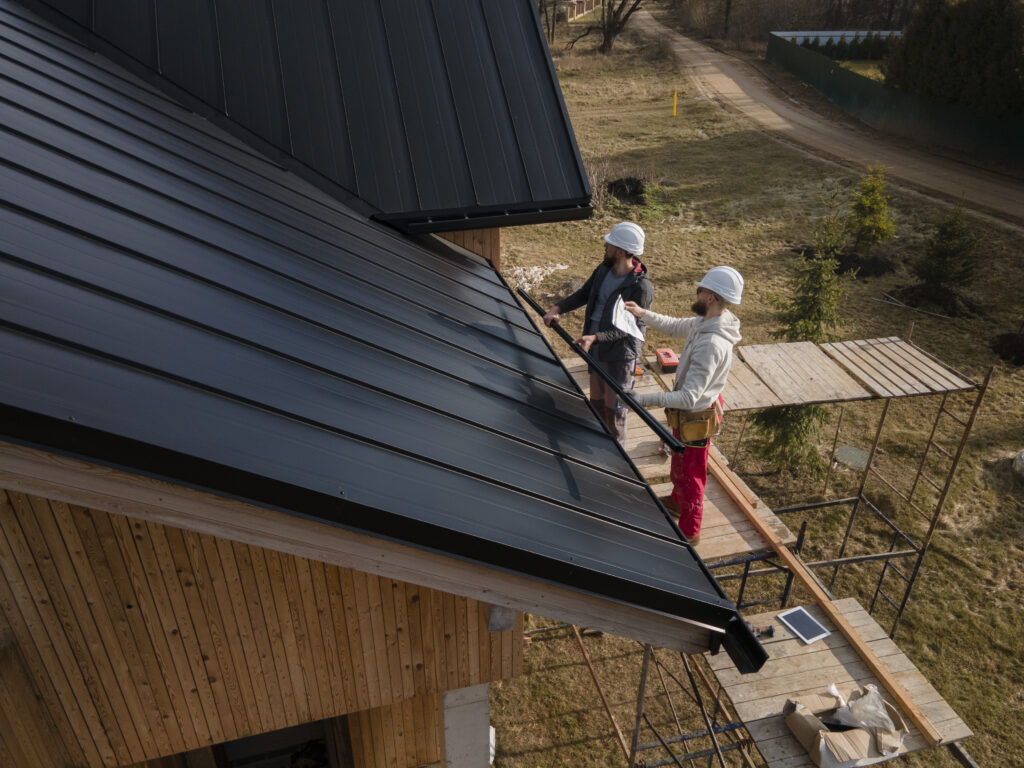
A professional roof inspection involves a detailed assessment of the entire roofing system.
Inspectors typically examine areas such as:
- Roofing membranes and surface materials
- Seams and flashing
- Drainage systems and gutters
- Roof penetrations like vents and skylights
- Signs of water intrusion or ponding
They may also check insulation conditions and structural components if necessary. After the inspection, building owners often receive a report outlining the roof’s condition, any issues discovered, and recommended repairs or maintenance steps.
This report provides a clear understanding of the roof’s current state and helps guide future maintenance decisions.
When Businesses Should Schedule Inspections
While inspections can be scheduled at any time, there are certain periods when they are especially helpful.
Many roofing professionals recommend inspections:
- At least once or twice per year
- After severe storms or heavy winds
- Before and after the winter seasons
- Before purchasing or leasing a commercial property
These inspections help ensure that the roof remains in good condition throughout the year.
Staying consistent with inspections can prevent long-term damage and reduce emergency repair situations.
Conclusion
Commercial roofs play a vital role in protecting businesses, employees, equipment, and inventory. Yet they are often overlooked until a problem becomes obvious.
Routine inspections provide an opportunity to detect small issues early, extend the lifespan of the roofing system, and prevent costly repairs. For building owners who want to protect their investment, scheduling professional inspections is a smart and proactive decision.
Roof Side Pro provides professional roofing support for businesses, and they focus on helping property owners maintain strong and reliable roofing systems through thorough commercial roof inspections.