
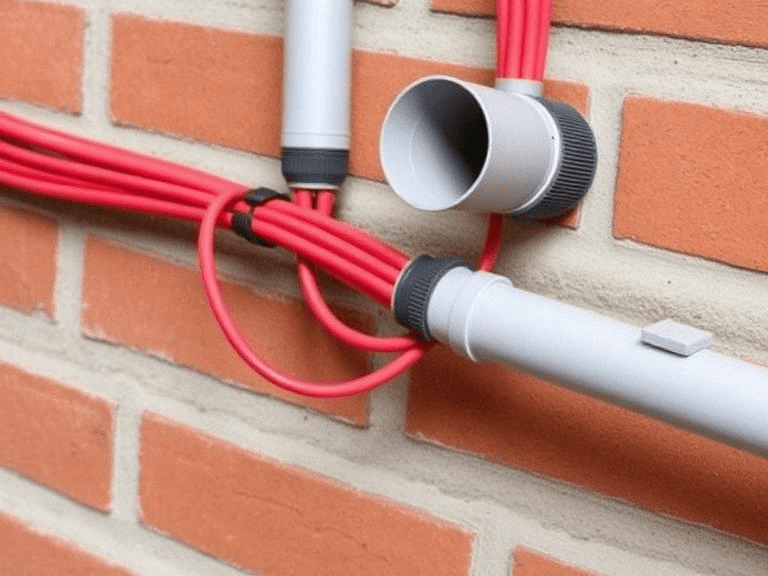
When building or renovating a home, most people spend a significant amount of time choosing the right paint colors, flooring materials, and lighting fixtures. While these aesthetic choices define the look of a house, the structural integrity and safety of the building depend on components that are often hidden behind walls. Among these invisible essentials, high quality electrical conduit pipes are perhaps the most critical for ensuring the long term safety of your family. These pipes serve as the primary protective layer for your electrical wiring, acting as a shield against environmental hazards and mechanical damage.
Choosing sub-standard materials for electrical routing might save a small amount of money upfront, but it often leads to catastrophic failures, including short circuits and house fires. In this guide, we will explore why the quality of your conduit system should never be a place to cut corners.
What Are Electrical Conduit Pipes?
At its simplest, an electrical conduit is a tube used to protect and route electrical wiring in a building. These pipes can be made of various materials, including metal, plastic, or fiber. In modern residential construction, uPVC (unplasticized Polyvinyl Chloride) is the most popular choice due to its durability, non-conductive nature, and cost-effectiveness.
The primary purpose of these pipes is to provide a clear, protected pathway for wires to travel from the main breaker panel to the outlets, switches, and appliances throughout your home.
1. Fire Safety and Flame Retardance
The most compelling reason to invest in high quality conduit is fire prevention. Electrical fires are a leading cause of property damage globally. Poor quality pipes are often made from flammable materials that can actually feed a fire if a wire overheats.
High quality uPVC conduit is engineered to be flame retardant. This means that in the event of an electrical spark or a short circuit inside the pipe, the material will not catch fire. Even more importantly, quality conduits are often self-extinguishing. If the source of the heat is removed, the pipe stops burning immediately. This localized containment can be the difference between a minor electrical glitch and a full scale house fire.
2. Protection Against Mechanical Damage
Wires are delicate. During the construction process or even years later during home repairs, wires can easily be nicked, crushed, or cut.
- During Construction: While workers are plastering walls or installing cabinets, wires without strong conduit are at risk of being pierced by nails or screws.
- Rodent Protection: Rats and mice have a notorious habit of chewing through plastic wire insulation. A thick, high quality conduit pipe acts as a physical barrier that rodents cannot easily penetrate, preventing “mystery shorts” caused by pests.
- Structural Pressure: As houses settle over time, walls can shift slightly. Quality conduit is rigid enough to protect the internal wiring from being pinched by structural movements.
3. Moisture and Chemical Resistance
In many parts of the home, such as kitchens, bathrooms, and outdoor areas, moisture is a constant threat. Water and electricity are a deadly combination.
High quality conduits are designed with airtight and watertight joints. This prevents moisture from seeping into the wiring system, which could lead to corrosion of the copper wires or dangerous leakage of current. Furthermore, quality pipes are resistant to household chemicals and salts found in cement and plaster. Lower grade pipes can degrade when they come into contact with the chemicals present in wet concrete, eventually becoming brittle and breaking.
4. Ease of Maintenance and Future Upgrades
One of the most overlooked benefits of a high quality conduit system is the ease of “fishing” wires. As technology evolves, you may want to upgrade your home’s wiring, install smart home systems, or add new high voltage lines for air conditioning units.
If you have installed cheap, thin walled pipes, they may have collapsed or warped inside the walls over time. This makes it impossible to pull new wires through the existing system, forcing you to break open your walls to fix the plumbing. A premium conduit maintains its shape and smooth internal bore for decades, allowing electricians to easily slide new wires through the system whenever needed.
5. Thermal Stability in Extreme Climates
Temperature fluctuations can take a toll on building materials. In regions with extreme heat, low quality plastics tend to soften and sag. In cold weather, they can become brittle and crack like glass.
Quality electrical conduit is tested for thermal stability. It maintains its structural integrity despite the heat generated by the electricity itself or the ambient temperature of the environment. This ensures that the protection remains consistent throughout the seasons.
Choosing the Right Suppliers in the Local Market
When sourcing materials for a construction project, the reliability of the manufacturer is just as important as the specifications of the product. In the regional context, the construction sector has seen a rise in standards due to the presence of professional pvc pipe manufacturers in Pakistan who prioritize international safety certifications.
While the market is flooded with unbranded, recycled plastic pipes, opting for established pvc pipe manufacturers in Pakistan ensures that the conduit you buy has undergone rigorous testing for impact resistance and fire safety. Leading manufacturers use virgin resin rather than scrap plastic, which results in a pipe that is stronger, more flexible, and significantly safer for residential use. Before making a purchase, always check for ISO certifications and compliance with local building codes to ensure you are getting a product that actually protects your home.
Conclusion
Electrical conduit pipes may be out of sight, but they should never be out of mind. They are the unsung heroes of home safety, working 24/7 to keep high voltage current safely contained. By choosing high quality materials, you are not just buying plastic tubes: you are investing in fire protection, structural durability, and the future flexibility of your home’s electrical infrastructure.
When the safety of your family is on the line, always choose certified products from reputable manufacturers. The peace of mind that comes with knowing your home is wired safely is worth every bit of the investment.
Frequently Asked Questions (FAQs)
1. Is there a difference between PVC water pipes and electrical conduit pipes?
Yes, there is a major difference. Electrical conduits are specifically designed to be flame retardant and have different wall thicknesses. You should never use standard water pipes for electrical wiring because they do not offer the same fire safety properties.
2. Can I use flexible conduit for the entire house?
While flexible conduit is great for tight corners or connecting to vibrating machinery, it is generally recommended to use rigid conduit for the main runs inside walls. Rigid pipes offer better protection against nails and structural pressure.
3. How do I know if an electrical conduit is of high quality?
Look for a smooth finish, consistent wall thickness, and proper branding. High quality pipes will not crack when slightly bent and will usually have certification marks (like UL or ISO) printed directly on the pipe.
4. Why is uPVC preferred over metal conduit for homes?
uPVC is non-conductive, which adds an extra layer of safety. If a wire becomes loose and touches a plastic pipe, the pipe will not become electrified. Metal conduits, if not grounded perfectly, can pose a shock hazard.
5. How long do high quality conduit pipes last?
When installed correctly and protected from direct UV sunlight inside walls, quality uPVC conduits can last for 50 years or more, often outlasting the wiring itself.