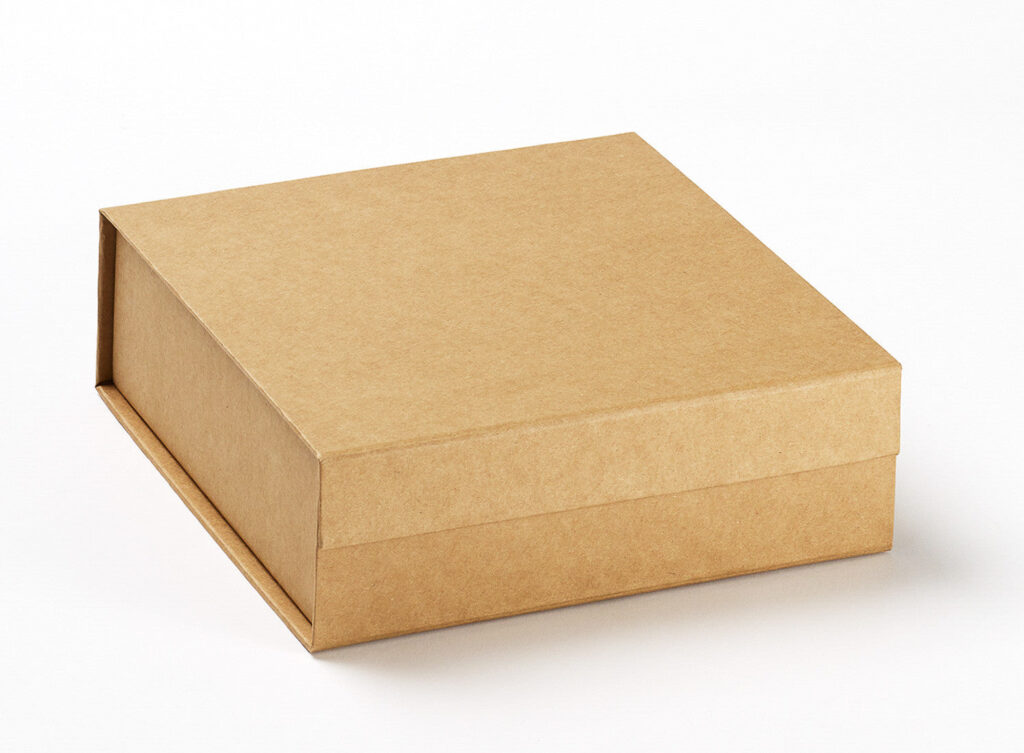
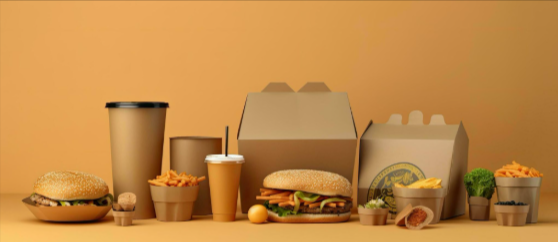
Nobody remembers the burger. They remember the box it came in, whether they realize it or not. A grease-proof, well-designed burger box packaging does something most restaurants underestimate: it turns a five-minute meal into a moment someone photographs, posts, and associates with your brand long after the food is gone. That’s not an accident. It’s what happens when packaging stops being an afterthought and starts being treated like part of the product.
The Job a Burger Box Actually Has to Do
Before design even enters the conversation, burger box packaging has one basic function: keep the food intact and edible by the time it reaches the customer. That sounds simple until you consider what a burger is actually doing inside a box for the fifteen or twenty minutes between the kitchen and someone’s hands. Steam builds up. Grease soaks through weak materials. Buns go soft if there’s no ventilation, and toppings slide if the box doesn’t hold its shape.
Most burger boxes solve this with a corrugated or folding board base, sometimes with a thin grease-resistant coating on the inside. Vented designs, little slits or perforations cut into the lid, help steam escape so the bun doesn’t turn to mush by the time someone unwraps it. It’s a small detail, but it’s the difference between a burger that still tastes like it just came off the grill and one that’s gone soggy in transit.
If a restaurant is doing delivery through third-party apps, this matters even more. A burger that travels twenty minutes in a hot car needs sturdier structure and better ventilation than one served at the counter. Skimping here shows up fast in reviews, and food delivery reviews are brutal about soggy packaging.
Why Packaging Ended Up Doing Marketing’s Job
Somewhere in the last several years, burger boxes stopped being plain kraft paper with a logo stamped on top. Brands realized customers were photographing their food before eating it, and that photo, posted or not, became free advertising the second the box left the counter.
This shift is easiest to see in how much restaurants now spend on custom printing. A plain box with a stamped logo costs less, sure, but it also looks interchangeable with a hundred other fast food spots. Custom printed boxes with a distinct color palette, a specific typeface, maybe an illustration style that’s actually memorable, cost more upfront but tend to pay off in something harder to measure directly: recall. Someone seeing your box in a friend’s hand, or in a photo online, should know which restaurant it’s from without reading the name.
There’s also a trust angle that’s easy to overlook. A box that feels sturdy, that doesn’t leak grease through the bottom onto someone’s lap, signals quality before the first bite. Customers connect packaging quality with food quality more than most owners expect, even when the two have nothing to do with each other in reality.
What Separates Good Design From Wasted Spend
Not every custom box is worth the extra cost. A few things tend to actually matter for burger box packaging specifically, based on what shows up again and again in customer feedback and in what packaging suppliers report seeing brands ask for.
Structural integrity comes first. A box that looks great printed but collapses under the weight of a double patty with extra toppings isn’t doing its job, no matter how nice the design is. Testing a sample with your actual heaviest menu item, not a plain single patty, tells you more than any spec sheet.
Ventilation is next, and it’s the detail restaurants skip most often when trying to cut costs. Without it, condensation collects and the bottom bun turns soft within minutes. Small vent holes or a slightly raised lid design solve most of this.
Print quality on the outside matters less than people assume, honestly. A single bold color and a clean logo often reads better on shelf and in photos than a busy, multi-color print crammed with information nobody reads. Simpler tends to photograph better, and photographing well is increasingly the whole point.
Material sourcing is becoming a real factor too. A growing number of customers, particularly younger ones, notice when packaging says “compostable” or “recyclable” versus plain plastic-coated board. It won’t make or break a sale on its own, but it adds up over time as a brand signal, especially in cities where sustainability messaging already resonates.
A Simple Way to Test If Your Packaging Is Working
Order your own burger through delivery the way a customer would. Let it sit the full estimated delivery time before opening it. Check whether the bun held its texture, whether grease made it through to the outside of the box, and whether the box itself still looks presentable, not crushed or stained. If any of those fail, that’s the packaging talking, not the kitchen.
The Bottom Line
Burger box packaging isn’t just there to hold food anymore. It protects the product, sure, but it’s also doing quiet marketing work every time someone carries it out the door, takes a photo, or hands it to a delivery driver. Get the structural basics right first, since a leaking or collapsing box undoes any design work instantly. Then treat the design itself as a real brand decision, not a line item to minimize. The restaurants getting this right aren’t spending more out of vanity. They’re recognizing that the box is doing a job the menu can’t.