
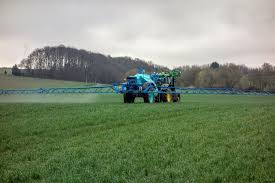
Crop spraying is an important part of modern farming. Farmers use sprays like pesticides, herbicides, and fertilizers to protect crops and improve their growth. However, one common problem during spraying is drift. Spray drift happens when small droplets move away from the target area due to wind or other environmental conditions. This can lead to waste, poor results, and harm to nearby areas.
To solve this problem, farmers use drift reduction adjuvants. These are special additives mixed with spray solutions to control how droplets behave in the air. They help reduce drift and improve the accuracy of spraying.
In this article, we will explain where drift reduction adjuvants work most effectively in crop spraying. The content is written in simple English so that even school students can understand it easily.
Understanding Drift Reduction Adjuvants in Crop Spraying
What Are Drift Reduction Adjuvants
Drift reduction adjuvants are substances added to spray mixtures to reduce the movement of droplets away from the target area. They change the size and weight of the droplets, making them less likely to drift.
Instead of forming very fine droplets that can easily float in the air, these adjuvants help create larger and heavier droplets. These droplets fall directly onto the crops, improving spray performance.
How Drift Reduction Adjuvants Work
Drift reduction adjuvants work by improving the physical properties of the spray liquid.
Increase Droplet Size
They help form larger droplets, which are less affected by wind.
Improve Spray Stability
The spray becomes more stable and less likely to break into tiny particles.
Reduce Evaporation
Larger droplets do not evaporate quickly, especially in warm weather.
Enhance Coverage
They allow better spreading of the spray on plant surfaces.
Why Drift Control Is Important
Controlling drift is important for many reasons. It helps protect crops, reduces waste, and prevents harm to the environment. It also ensures that the spray reaches the intended area, which improves results.
Using drift reduction adjuvants is one of the best ways to achieve these goals.
Where Drift Reduction Adjuvants Work Most Effectively
Drift reduction adjuvants are not only useful in general spraying but are especially effective in certain conditions and locations. Understanding these situations can help farmers use them more effectively.
Open Field Farming Areas
Open fields are one of the most common places where drift occurs. There are fewer barriers like trees or buildings, so wind can easily carry spray droplets away.
In such areas, drift reduction adjuvants work very effectively by increasing droplet size and reducing movement. This helps ensure that the spray lands on the crops instead of being carried away by the wind.
Windy Conditions
Wind is the main cause of spray drift. Even light wind can move small droplets away from the target area.
Drift reduction adjuvants are especially useful in slightly windy conditions. They help reduce the impact of wind by creating heavier droplets that fall quickly.
However, it is still important to avoid spraying during strong winds, even when using adjuvants.
Large-Scale Farming Operations
In large farms, spraying is done over a wide area. This increases the risk of drift because more spray is released into the air.
Drift reduction adjuvants help control this problem by improving spray accuracy. They ensure that the spray is evenly distributed and stays within the target area.
Areas Near Sensitive Crops
Sometimes, different crops are grown close to each other. Some crops may be sensitive to certain chemicals.
In such situations, drift reduction adjuvants are very important. They help prevent the spray from reaching nearby crops and causing damage.
Near Water Sources
Spray drift can also reach water bodies like rivers, ponds, or lakes. This can harm aquatic life and pollute water.
Using drift reduction adjuvants in areas near water sources helps reduce this risk. The spray stays within the field and does not spread to unwanted areas.
Residential and Public Areas
Farms located near homes, schools, or roads need extra care during spraying. Drift can affect people and animals in these areas.
Drift reduction adjuvants help improve safety by keeping the spray within the target zone. This reduces the chances of exposure to harmful chemicals.
High Temperature Conditions
In hot weather, small droplets can evaporate quickly before reaching the crops. This reduces the effectiveness of spraying.
Drift reduction adjuvants work well in such conditions by forming larger droplets that resist evaporation. This ensures that more of the spray reaches the crops.
Uneven Land Surfaces
Fields with uneven surfaces can make spraying more difficult. The spray may not land evenly on the crops.
Drift reduction adjuvants help improve spray distribution, making it easier to cover all parts of the field effectively.
Benefits of Using Drift Reduction Adjuvants in These Areas
Better Spray Accuracy
Drift reduction adjuvants ensure that the spray reaches the target area. This improves the effectiveness of pesticides and fertilizers.
Reduced Chemical Waste
By preventing drift, these adjuvants help reduce the loss of chemicals. This saves money and resources.
Improved Crop Protection
When the spray reaches the crops properly, it provides better protection against pests and diseases.
Environmental Safety
Drift reduction adjuvants help protect the environment by reducing the spread of chemicals to unwanted areas.
Increased Efficiency
Farmers can achieve better results with fewer applications, saving time and effort.
Best Practices for Using Drift Reduction Adjuvants
Choose the Right Adjuvant
Different conditions require different types of adjuvants. Select the one that best fits your needs.
Follow Proper Mixing Guidelines
Use the correct amount as recommended. Too much or too little can affect performance.
Monitor Weather Conditions
Even with adjuvants, it is important to check wind speed and temperature before spraying.
Use Proper Equipment
Good spray equipment improves the effectiveness of drift reduction adjuvants.
Train Workers
Proper knowledge and training help ensure correct use and better results.
Common Mistakes to Avoid
Spraying in Strong Wind
Even the best adjuvants cannot fully control drift in very strong winds.
Incorrect Dosage
Improper use can reduce effectiveness.
Ignoring Field Conditions
Different fields may require different approaches.
Poor Equipment Maintenance
Damaged equipment can lead to uneven spraying.
Future of Drift Reduction Adjuvants in Farming
As farming continues to grow and improve, the use of drift reduction adjuvants will become even more important. New technologies are being developed to make them more effective and environmentally friendly.
Farmers are becoming more aware of the need to reduce chemical waste and protect the environment. Drift reduction adjuvants will play a key role in achieving these goals.
Conclusion
Drift reduction adjuvants are an essential tool in modern crop spraying. They help reduce spray drift, improve accuracy, and protect both crops and the environment.