Introduction to Immigration Medical Exams
Immigration medical exams are an essential part of the process for individuals applying for visas or permanent residency. These exams ensure that applicants meet the health requirements set by the United States Citizenship and Immigration Services (USCIS). By conducting thorough screenings, authorities protect public health while allowing eligible individuals to enter the country. In Chicago, Illinois, many applicants seek reliable clinics for their immigration medical exams to ensure accurate documentation and smooth processing. Understanding what is checked during the exam helps applicants prepare in advance and reduces the likelihood of delays.
Purpose of the Immigration Medical Exam
The primary goal of the immigration medical exam is to assess whether an applicant has any health conditions that could pose a risk to themselves or the public. These exams also determine if an individual is inadmissible due to specific medical conditions, such as communicable diseases. The examination ensures that applicants are physically and mentally fit for residency or visa purposes. For residents of Chicago, Illinois, scheduling a professional medical for immigration purposes is a critical step in the immigration process.
Components of the Immigration Medical Exam
The immigration medical exam includes multiple components to assess overall health. These checks are designed to ensure both personal well-being and compliance with federal regulations.
General Physical Examination
During the physical examination, a healthcare provider evaluates vital signs, overall appearance, and physical fitness. This includes measuring height, weight, blood pressure, and pulse. Doctors also examine eyes, ears, throat, skin, and other major body systems.
Vaccination Review
USCIS requires applicants to be up to date on certain vaccines. The medical provider reviews immunization history and administers any missing vaccines. Common vaccines checked include measles, mumps, rubella, tetanus, and influenza.
Tuberculosis Testing
Testing for tuberculosis (TB) is a mandatory part of the exam. Applicants may undergo a skin test or blood test to detect active or latent TB. If a test is positive, further evaluation is conducted to rule out an infectious disease.
Blood and Urine Tests
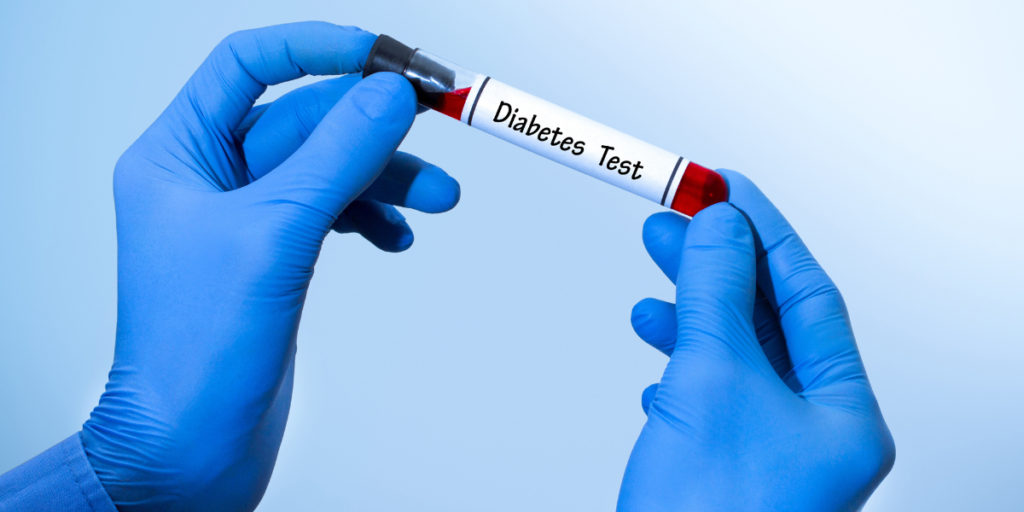
Routine blood and urine tests help identify conditions such as anemia, diabetes, or kidney disease. These tests also detect certain infections that may affect admissibility.
Mental Health Evaluation
Applicants undergo a basic mental health evaluation to determine their cognitive function and psychological well-being. This assessment ensures that individuals do not have conditions that could pose a risk to themselves or others.
Screening for Substance Abuse
Substance abuse is also evaluated during the exam. Healthcare providers check for a history of alcohol or drug dependency. Identifying these issues is essential to comply with federal immigration regulations.
Specific Conditions Checked During the Exam
Certain conditions can impact an applicant’s eligibility for immigration. These include communicable diseases, mental disorders, and substance use disorders.
Communicable Diseases
Conditions such as tuberculosis, syphilis, gonorrhea, and leprosy are carefully screened. Detecting these diseases helps prevent transmission within the United States.
Physical and Developmental Disabilities
While most disabilities do not prevent immigration, severe physical or developmental disorders may require additional documentation. Healthcare providers assess how these conditions impact daily functioning.
Preparing for the Immigration Medical Exam
Proper preparation ensures that the exam goes smoothly. Applicants should gather their medical history, immunization records, and any recent test results.
Scheduling the Exam in Chicago, Illinois
Finding a qualified provider in Chicago, Illinois, is essential. Applicants should choose a clinic approved by USCIS to ensure that results are valid. Booking an appointment well in advance can prevent delays in the immigration process.
What to Bring
Applicants should bring identification, vaccination records, and any medications they are currently taking. Clear communication with the healthcare provider helps streamline the evaluation.
Vaccination Requirements in Detail
USCIS mandates vaccines for all applicants, based on age and medical history. Vaccines commonly required include:
- Measles, Mumps, and Rubella (MMR)
- Tetanus, Diphtheria, and Pertussis (Tdap)
- Polio
- Hepatitis A and B
- Varicella
- Influenza
Missing vaccines can be administered during the exam, so bringing records allows the provider to verify compliance.
Common Tests Performed
In addition to vaccinations, healthcare providers conduct tests such as:
- Chest X-rays for tuberculosis
- Blood tests for syphilis and other infections
- Urine analysis for kidney function and metabolic conditions
- Physical assessments for overall health
These evaluations ensure that applicants meet the health standards required for immigration.
How the Exam Affects Immigration Applications
The results of the immigration medical exam are submitted to USCIS or the U.S. embassy. A complete exam that meets federal requirements increases the chances of approval. Applicants with certain treatable conditions may still be approved after appropriate care. The exam ensures that public health is maintained without unnecessarily preventing entry.
Where to Get Reliable Exams in Chicago, Illinois
Professional clinics in Chicago, Illinois, provide comprehensive immigration medical exams. Choosing an authorized and experienced provider ensures compliance and accurate documentation. For residents in surrounding areas, services like Mount Prospect urgent care offer full immigration medical evaluations and vaccination updates.
Conclusion
Understanding what is checked in an immigration medical exam helps applicants prepare effectively. From vaccinations to physical and mental health evaluations, the exam ensures that both the individual and the public are protected. In Chicago, Illinois, accessing professional clinics ensures accurate results and smooth processing. Scheduling an appointment for medical for immigration purposes or visiting Mount Prospect urgent care allows applicants to complete the exam efficiently and confidently.
FAQs
What is an immigration medical exam?
It is a health assessment required for visa or permanent residency applicants to ensure they meet U.S. health standards.
How long does the exam take?
Typically, 30 to 60 minutes, depending on the applicant’s medical history and additional tests required.
Are vaccinations mandatory?
Yes, applicants must be up to date on specific vaccines based on age and medical history.
Can children take the same exam?
Yes, children undergo the same evaluations, with adjustments for age-appropriate vaccines and assessments.
Do I need to fast before the exam?
Fasting is usually not required unless blood tests indicate otherwise.
What happens if I fail the exam?
Treatable conditions can often be managed, and follow-up treatment may allow applicants to pass the immigration requirements.