
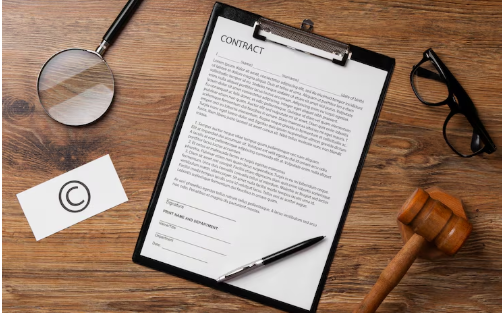
Starting and running a small business involves far more than a great idea and a willingness to work hard. Small business legal documents are the foundation of a protected, professionally operated company — and skipping them is one of the most common and costly mistakes new entrepreneurs make.
Whether you are launching a sole proprietorship, forming an LLC, or bringing on your first employee, having the right legal paperwork in place early can protect your assets, clarify expectations, and reduce the risk of costly disputes down the line.
Why Legal Documents Matter for Small Businesses
Legal documents create clarity — between business partners, between businesses and their clients, and between employers and workers. When expectations are documented and signed, there is far less room for misunderstanding.
Beyond clarity, legal documents also provide a paper trail. If a client refuses to pay, a contractor misuses confidential information, or a business partner disputes ownership stakes, your documents become the evidence that supports your position.
What Happens Without Proper Documentation?
Businesses that operate without formal agreements often face:
- Partnership disputes with no written terms to reference
- Client conflicts over scope of work or payment
- Liability exposure when relationships go undocumented
- Difficulty securing business loans or investors who require formal agreements
The good news is that many foundational small business legal documents follow well-established formats and do not require custom legal drafting for every situation.
Core Legal Documents Every Small Business Should Have
1. Operating Agreement or Partnership Agreement
If your business has more than one owner, a written agreement governing ownership percentages, responsibilities, and decision-making authority is essential. For LLCs, this is typically called an operating agreement. For general partnerships, it is a partnership agreement.
Without this document, disputes about who owns what and who has the authority to act on behalf of the business can become extremely complicated — and expensive — to resolve.
2. Independent Contractor Agreement
Many small businesses rely on freelancers and contractors rather than full-time employees. An independent contractor agreement clearly defines the scope of work, payment terms, deadlines, and the independent status of the worker.
This document helps protect businesses from misclassification claims and sets clear expectations from day one.
3. Non-Disclosure Agreement (NDA)
When sharing proprietary information — whether with a potential partner, a vendor, or an employee — a non-disclosure agreement protects that information from being disclosed or used without permission. NDAs are commonly used during early-stage business discussions, product development, and client onboarding.
4. Client Service Agreement
A client service agreement outlines exactly what services will be provided, when, and at what price. It also typically includes payment terms, cancellation policies, and dispute resolution procedures. This document protects both the business and the client by ensuring everyone agrees on the terms before work begins.
5. Bill of Sale
Any time a small business sells physical goods or assets, a bill of sale provides documented proof of the transaction. This is especially important for high-value items.
When Should You Update Your Business Documents?
Legal documents are not a one-time task. Businesses should review and update their key agreements when:
- Ownership or partnership structure changes
- Services offered are significantly expanded or modified
- New employees or contractors are brought on
- Business policies or pricing structures change
- Local or federal laws relevant to the business are updated
Keeping documents current is just as important as having them in the first place.
Conclusion
The legal foundation of your small business matters more than most new entrepreneurs realize. Small business legal documents protect what you have built, establish professional standards, and reduce the risk of costly disputes.
Explore the full range of attorney-vetted business legal forms available at 360 Legal Forms. Whether you need an operating agreement, a contractor form, or a client service agreement, having the right documents in place is one of the smartest investments your business can make.