
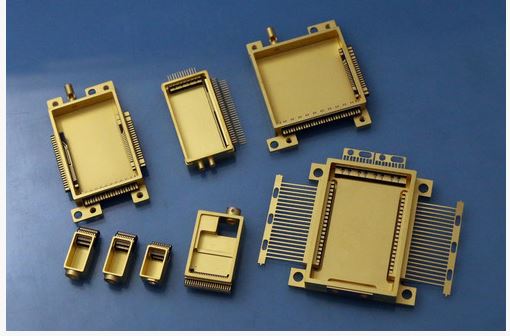
In modern electronics, performance matters a lot, and therefore choosing the right materials is very important. At the same time, RF submounts and carriers help devices work better and last longer. Because of this, engineers must understand what materials they use and why they matter.
Understanding RF Submounts and Carriers
RF Submounts And Carriers serve as the foundation for mounting and supporting electronic components, and therefore they play a key role in device performance. At the same time, they provide thermal management and mechanical stability, which are crucial for sensitive RF applications. Because of this, material selection is not just a technical decision but a strategic one.
Moreover, these components are widely used in telecommunications, aerospace, and medical devices, and as a result, they must meet strict performance standards. On the other hand, poor material choices can lead to overheating, signal loss, and reduced lifespan, and therefore careful evaluation is necessary.
Common Materials Used
1. Copper (Cu)
Copper is widely used, and therefore it is a popular choice. At the same time, it conducts heat and electricity very well. Because of this, it helps keep devices cool and efficient.
However, copper is soft, and therefore it may not provide enough strength alone. As a result, manufacturers often mix it with other materials. This way, they improve both strength and performance.
2. Aluminum Nitride (AlN)
Aluminum Nitride works well in many RF systems, and therefore engineers trust it. At the same time, it offers strong heat control and good insulation. Because of this, it fits high-performance devices.
In addition, it handles high temperatures easily, and therefore it lasts longer. As a result, it reduces stress on other parts. This makes it a reliable option.
3. Beryllium Oxide (BeO)
Beryllium Oxide provides excellent heat transfer, and therefore it suits high-power uses. At the same time, it also acts as an insulator. Because of this, it offers a strong balance.
However, it needs careful handling, and therefore not all companies use it. As a result, it is more common in specialized projects. Still, it remains a strong material choice.
4. Tungsten Copper (WCu)
Tungsten Copper combines strength and heat control, and therefore it performs well in tough conditions. At the same time, it expands less under heat. Because of this, it protects sensitive components.
Many engineers prefer WCu Submounts, and therefore they use them in high-power systems. As a result, devices stay stable and reliable. This makes it a top option in RF design.
5. Silicon Carbide (SiC)
Silicon Carbide is growing in use, and therefore more industries adopt it. At the same time, it handles extreme heat and stress. Because of this, it suits advanced systems.
In addition, it resists wear and damage, and therefore it lasts longer. As a result, it reduces maintenance needs. This improves long-term performance.
Importance of Thermal Management
Heat control is very important in RF systems, and therefore materials must handle it well. At the same time, too much heat can damage parts. Because of this, good material choice prevents failure.
Strong thermal materials remove heat quickly, and therefore devices stay stable. As a result, performance improves. This helps systems run smoothly for longer.
Practical Example
A company once built a high-frequency device, and therefore they needed a strong submount. At first, they used only copper, and however, the device overheated. As a result, performance dropped.
Later, they switched to Laser Diode Spacers along with improved material design, and therefore heat control improved. At the same time, the device became more stable. Because of this, the product performed much better.
This example shows a simple truth, and therefore material choice matters a lot. The right decision can improve both quality and lifespan.
Customization and Application Needs
Every RF application has unique requirements, and therefore customization plays a vital role in material selection. At the same time, factors such as frequency range, power levels, and environmental conditions must be considered.
Moreover, tailored solutions allow manufacturers to optimize performance, and as a result, they can meet specific industry standards. Because of this, working with experienced suppliers can make a significant difference.
Cost vs Performance
While cost is always an important factor, and therefore it is tempting to choose cheaper materials, performance should never be compromised. At the same time, investing in high-quality materials ensures better reliability and longer lifespan.
In addition, the long-term benefits often outweigh the initial costs, and consequently, businesses can avoid frequent replacements and maintenance. Therefore, focusing on value rather than price leads to better outcomes.
Final Thoughts
In conclusion, the materials used in RF submounts and carriers play a crucial role in performance and reliability, and therefore careful selection is essential. At the same time, understanding the properties of materials like copper, AlN, BeO, and WCu can guide better decisions.
Ultimately, the right material choice ensures efficient thermal management, improved signal integrity, and long-term success, and as a result, it becomes a valuable investment. Therefore, take the time to evaluate your options and choose solutions that meet your needs effectively.

