
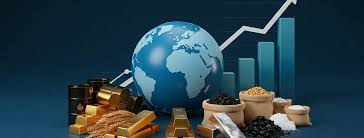
You don’t need to sit in front of charts or follow financial news to feel the impact of global markets. It shows up in small, familiar ways. The price of petrol creeping up. A weekly shop that feels slightly heavier on your wallet. Even the cost of a takeaway can shift without much warning. These changes don’t happen in isolation. Behind them sits a system that’s constantly moving, adjusting, reacting. That system is where Commodities trading comes into play.
Most people imagine trading as something distant, something that belongs to offices, screens, and professionals. But commodities are different. They’re tangible. Oil, wheat, gas, coffee. Things people use every single day. When their prices change, it doesn’t stay on a screen for long. It moves into daily life, often without much explanation.
The Push and Pull of Supply and Demand
At its core, Commodities trading is driven by a simple idea: how much of something is available, and how much people want it. But in reality, that balance is constantly shifting.
Take food, for example. A poor harvest in one region can reduce supply globally. That might seem far away, but it can influence prices in supermarkets closer to home. The same applies to oil. If production slows down or demand suddenly increases, prices respond quickly.
What makes it feel unpredictable is how fast these shifts can happen. One moment things feel steady, the next there’s a noticeable change.
Weather Isn’t Just Small Talk
It sounds almost too simple, but weather plays a huge role. A long dry spell, unexpected frost, or heavy rainfall can affect crops in ways that ripple across countries.
For energy, temperature matters just as much. A colder winter increases the demand for heating. A hotter summer pushes electricity usage higher. These aren’t rare events, but when they become extreme, they can tighten supply and drive prices upward.
This is one of those influences that people feel without always connecting the dots. It’s easy to notice the weather. It’s less obvious to see how it feeds into Commodities trading behind the scenes.
Global Events Travel Fast
The world is more connected than it used to be. Political tensions, trade decisions, and unexpected disruptions can all affect commodities.
If a major oil-producing region faces uncertainty, markets react almost instantly. The same goes for food exports. Restrictions or delays in one part of the world can reduce availability elsewhere.
What’s interesting is how quickly these events translate into everyday costs. It might take weeks or months to fully show up, but the connection is there.
The Quiet Influence of Currency
There’s another layer that often goes unnoticed. Commodities are usually priced in US dollars. So when currencies shift, prices can change even if the commodity itself hasn’t.
For countries like the UK, this matters. A weaker pound can make imports more expensive. That includes energy and certain food products. It’s not always the first thing people think about, but it plays a part in how prices move over time.
Transport, Storage, and Everything in Between
Getting commodities from where they’re produced to where they’re needed isn’t always straightforward. Fuel costs, shipping delays, storage limitations. All of these factors add pressure.
Sometimes the price increase isn’t about scarcity, but about the cost of moving goods around. It’s a reminder that Commodities trading isn’t just about production. It’s also about logistics.
Why It All Feels So Close to Home
What makes this topic interesting is how personal it becomes. These aren’t abstract numbers. They’re part of daily routines.
You might not think about global supply chains while filling up your car. You probably don’t consider weather patterns in another country when buying bread. But those connections exist, quietly linking everyday life to a much larger system.
The more you notice it, the clearer it becomes. Prices don’t change randomly. They respond to a mix of factors that are always in motion.
And that’s really the nature of it. Commodities trading isn’t something separate from daily life. It’s woven into it, shaping costs, choices, and habits in ways that often go unnoticed until they change.