General construction plays a vital role in shaping the infrastructure around us, from residential homes to commercial buildings and public spaces. It involves a wide range of activities including planning, design, execution, and project management to bring a structure to life. Whether it’s a small renovation or a large-scale development project, general construction ensures that everything is completed efficiently, safely, and according to specifications.
What is General Construction?
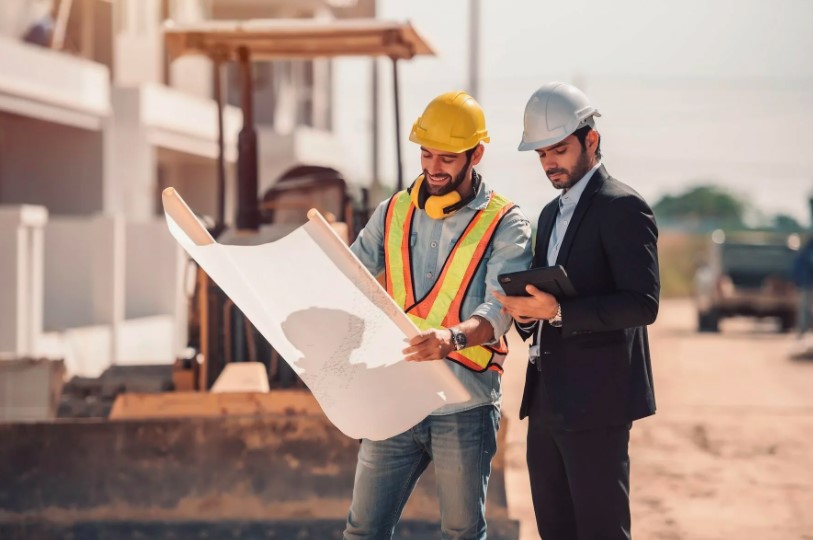
General construction refers to the overall process of building structures or managing construction projects from start to finish. A general contractor typically oversees the entire project, coordinating with subcontractors, suppliers, engineers, and architects to ensure smooth execution. This includes managing timelines, budgets, materials, labor, and compliance with building codes and regulations.
Projects under general construction can vary widely, including residential homes, office buildings, warehouses, roads, bridges, and more. The scope of work often depends on the complexity and scale of the project.
Key Phases of General Construction
1. Planning and Design
The first phase involves conceptualizing the project. Architects and engineers work together to create blueprints and structural designs. During this stage, feasibility studies, budgeting, and site evaluations are conducted to ensure the project is viable.
2. Pre-Construction
In this phase, permits are obtained, contracts are signed, and materials are sourced. The general contractor develops a detailed project plan, including timelines and resource allocation. Risk assessments and safety planning are also carried out.
3. Construction Phase
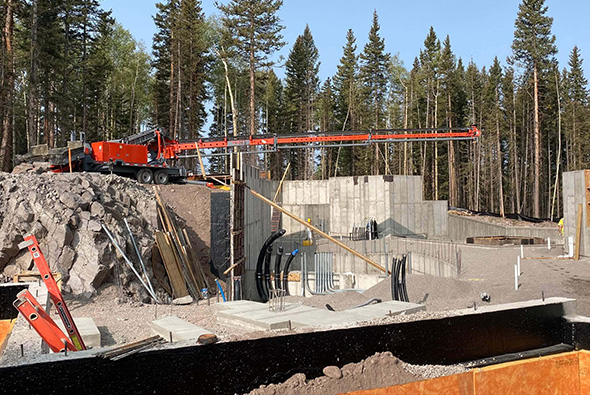
This is the execution stage where the actual building process begins. Site preparation, foundation laying, structural framing, plumbing, electrical work, and finishing tasks are completed in sequence. The general contractor supervises all activities to ensure quality and adherence to the plan.
4. Inspection and Completion
Once construction is finished, inspections are conducted to ensure the structure meets safety standards and regulations. Any necessary adjustments or corrections are made before handing over the project to the client.
Importance of General Construction
General construction is essential for several reasons:
- Coordination and Management: It centralizes responsibility, ensuring all aspects of the project are well-coordinated.
- Quality Control: Professional oversight ensures high standards are maintained throughout the project.
- Time Efficiency: Proper scheduling and supervision help avoid delays.
- Cost Management: A general contractor helps manage budgets and minimize unnecessary expenses.
- Safety Compliance: Ensures that all work follows safety regulations, reducing risks on-site.
Types of General Construction Projects
General construction covers a broad range of projects, including:
- Residential construction (houses, apartments)
- Commercial construction (offices, retail stores)
- Industrial construction (factories, warehouses)
- Infrastructure projects (roads, bridges, utilities)
- Renovation and remodeling projects
Each type requires specific expertise, materials, and regulatory compliance, making general construction a versatile and dynamic field.
Challenges in General Construction
Despite its importance, general construction comes with challenges such as:
- Budget overruns due to unforeseen expenses
- Project delays caused by weather or supply chain issues
- Coordination difficulties among multiple teams
- Compliance with changing regulations
- Safety hazards on construction sites
Effective planning, communication, and risk management are key to overcoming these challenges.
Best Practices in General Construction
To ensure successful project completion, several best practices should be followed:
- Detailed Planning: Start with a clear and realistic plan.
- Experienced Contractors: Hire qualified professionals with proven experience.
- Regular Communication: Maintain open communication between all stakeholders.
- Quality Materials: Use durable and reliable materials to ensure longevity.
- Safety Measures: Implement strict safety protocols on-site.
- Progress Monitoring: Track milestones and adjust plans as needed.
The Future of General Construction
The general construction industry is evolving with advancements in technology. Modern tools such as Building Information Modeling (BIM), drones, automation, and sustainable building materials are transforming how projects are designed and executed. These innovations improve efficiency, reduce costs, and promote environmentally friendly construction practices.
FAQs
1. What does a general contractor do?
A general contractor oversees the entire construction project, managing subcontractors, scheduling work, sourcing materials, and ensuring the project is completed on time and within budget.
2. What is included in general construction services?
General construction services typically include planning, site preparation, structural work, installation of systems (electrical, plumbing), finishing work, inspections, and project management.
3. How long does a general construction project take?
The duration depends on the size and complexity of the project. Small residential projects may take a few months, while large commercial or infrastructure projects can take several years.
4. Why is general construction important?
It ensures that construction projects are completed efficiently, safely, and in compliance with regulations while maintaining quality and budget control.
5. How do I choose a general contractor?
Look for experience, proper licensing, positive reviews, transparent pricing, and a strong portfolio of completed projects.
Conclusion
General construction is the backbone of the building industry, encompassing all stages of creating structures from concept to completion. It requires careful planning, skilled coordination, and effective management to deliver successful outcomes. By understanding the processes, challenges, and best practices involved, stakeholders can ensure that projects are completed efficiently, safely, and to a high standard. As technology continues to advance, Faucet Installation Services will become even more streamlined, sustainable, and innovative, shaping the future of how we build our world.