
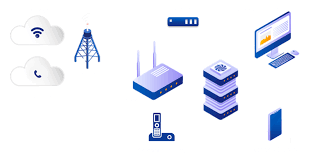
Why Businesses Are Switching to SIP Trunking Phone Systems is now a key question in modern communication strategy. Traditional phone systems no longer match the speed, scale, and flexibility that businesses need today. Companies require communication tools that support remote teams, reduce costs, and improve call quality.
Business SIP trunking phone systems replace fixed telephone lines with internet based voice connections. This shift gives organisations more control over communication, better scalability, and stronger performance across all channels. Businesses adopt this model to stay competitive in a fast changing digital environment.
We explore the real reasons behind this shift and how organisations benefit from modern SIP based communication systems.
What Are Business SIP Trunking Phone Systems
Business SIP trunking phone systems use Session Initiation Protocol to connect business phone systems to the public telephone network. Instead of physical lines, calls travel through secure internet channels.
This system converts voice into digital packets. These packets move through data networks and reach the receiver in real time. Businesses use this setup to manage internal and external communication efficiently.
It removes dependency on traditional telecom infrastructure and replaces it with flexible cloud based communication.
Major Reasons Businesses Are Switching
1. High Cost of Traditional Systems
Traditional phone systems require physical lines, maintenance, and hardware upgrades. These costs increase with business size.
SIP trunking reduces expenses by:
- Removing physical line rentals
- Reducing maintenance costs
- Offering pay as you use pricing
- Eliminating hardware dependency
This cost structure supports long term savings.
2. Need for Scalability
Modern businesses grow fast. Traditional systems cannot scale easily.
SIP trunking supports:
- Instant addition of users
- Flexible call capacity
- Multi location expansion
- Seasonal demand handling
Businesses scale communication without delays or installation work.
3. Remote and Hybrid Work Growth
Work no longer depends on office location. Teams work from multiple places.
Business SIP trunking phone systems allow employees to:
- Make and receive calls from anywhere
- Use mobile and desktop apps
- Stay connected through cloud systems
- Access unified communication tools
This supports modern workforce models.
4. Improved Call Quality
Call clarity is essential for customer communication.
SIP trunking improves quality through:
- Low latency routing
- High definition voice codecs
- Stable internet based transmission
- Reduced packet loss
This ensures professional and clear communication.
5. Business Continuity and Reliability
Downtime affects customer trust.
SIP systems provide:
- Automatic failover routing
- Backup servers for stability
- Cloud based recovery systems
- Remote access during outages
Communication continues even during disruptions.
Comparison Table: SIP Trunking vs Traditional Systems
| Feature | SIP Trunking Phone Systems | Traditional Phone Systems |
| Infrastructure | Cloud based | Physical lines |
| Scalability | Instant | Limited |
| Cost | Flexible | High fixed cost |
| Remote Access | Full support | Limited |
| Maintenance | Low | High |
| Call Quality | High definition | Variable |
How SIP Trunking Improves Business Communication
Centralised Communication Control
Businesses manage all communication from a single dashboard. This reduces complexity and improves response time.
Unified Communication Systems
Voice, messaging, and video combine into one platform. Teams communicate without switching tools.
Smart Call Routing
Calls reach the right department automatically. This reduces waiting time and improves customer experience.
Analytics and Reporting
Businesses track communication performance:
- Call duration
- Missed calls
- Peak traffic times
- Customer response rates
This improves decision making.
Integration with Business Tools
Modern systems integrate with existing platforms.
- CRM systems
- Helpdesk tools
- Sales platforms
- Collaboration software
This integration allows real time access to customer data during calls. It improves service quality and reduces response time.
Security in Business SIP Trunking Phone Systems
Security plays a major role in communication systems.
We use:
- End to end encryption
- Multi factor authentication
- Secure network protocols
- Access control systems
These measures protect business communication from threats and misuse.
Industry Use Cases
Customer Support Centres
Handle high call volumes with routing efficiency.
Sales Departments
Access customer data during calls for better conversions.
Remote Teams
Maintain communication across locations.
Multi Location Enterprises
Unify communication across branches.
Deployment Process for SIP Trunking Systems
We follow a structured approach:
Step 1: System Assessment
Analyse current communication setup.
Step 2: Architecture Design
Build a scalable communication model.
Step 3: Configuration
Set up SIP trunks and routing rules.
Step 4: Testing
Verify performance and call quality.
Step 5: Deployment
Roll out across teams.
Cost Benefits of SIP Trunking Phone Systems
| Cost Element | Description |
| Subscription | Monthly user based fee |
| Call Charges | Usage based billing |
| Setup Cost | Initial configuration |
| Add ons | Extra features |
This structure gives businesses predictable spending.
Future of Business SIP Trunking Phone Systems
Technology continues to evolve.
- AI driven call routing
- Predictive customer support
- Real time transcription
- Advanced analytics
These features improve communication efficiency further.
How Almens Consult Can Help You
Almens Consult design and implement Business SIP trunking phone systems that improve communication performance and reduce operational complexity. We assess your current setup, identify inefficiencies, and build a scalable solution tailored to your business needs. Our team manages configuration, integration, and optimisation to ensure stable call quality and reliable performance. We provide continuous support to maintain system efficiency as your business grows.
Conclusion
Businesses are switching to SIP trunking phone systems due to cost efficiency, scalability, improved call quality, and operational flexibility. Traditional systems no longer meet modern communication needs.
We implement solutions that support growth, enhance connectivity, and deliver consistent performance across all business operations.

