
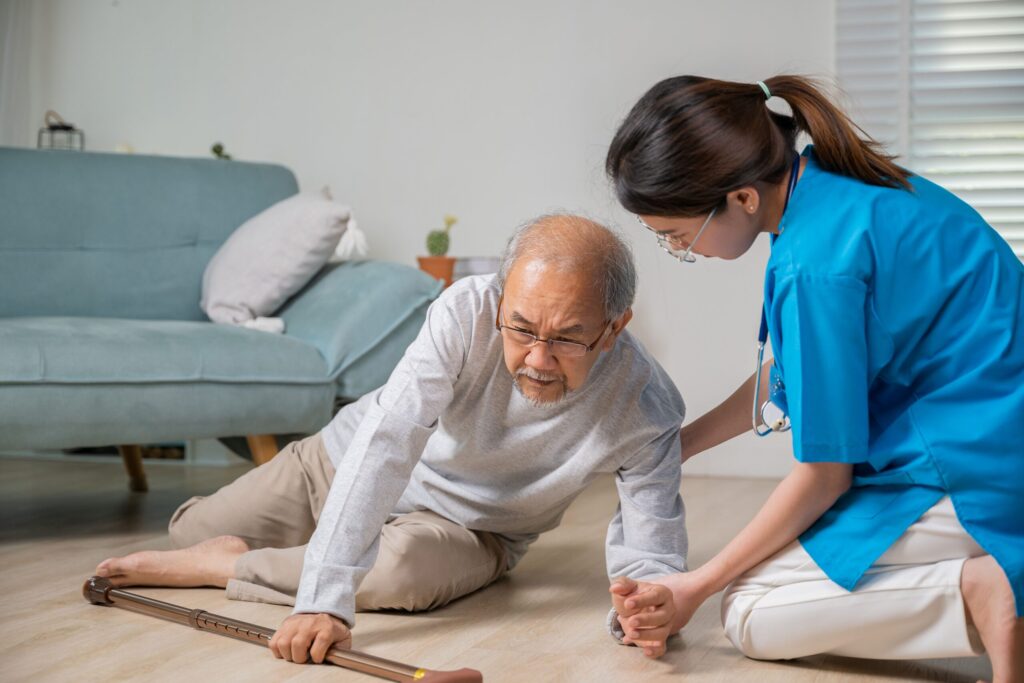
As people get older, their strength and balance often decline. It increases the risk of falls and affects their daily activities. It also reduces their confidence in moving around. Getting the right support at the right time is important for maintaining one’s independence. Rehabilitation Physiotherapy plays a key role in addressing these challenges by improving physical function and helping older adults stay active and safe.
Why Older Adults Are at Higher Risk of Falls
With age, the human body becomes weaker. Muscles lose strength, joints become stiff and balance can become less steady. Reflexes also slow down, making it harder to respond quickly to sudden movements or uneven surfaces.
Because of this, everyday activities such as walking, climbing stairs or getting up from a chair become more difficult, increasing the risk of slips and falls. Changes in vision and certain medical conditions may further increase this risk. Understanding these factors helps take early steps to stay safe and prevent injuries.
At Body Fit Physiotherapy, our team of experienced and qualified physiotherapists assists
numerous residents in achieving full recovery.
How Physiotherapy Supports Recovery and Stability
Physiotherapy focuses on improving movement and physical ability through regular, guided and consistent efforts. It also helps older adults regain control over their movements and become more stable in their daily activities over time.
Key areas addressed through therapy include:
- Muscle strengthening to support joint movement
- Balance and coordination training to reduce instability
- Flexibility exercises to improve range of motion
- Posture correction for better alignment
- Recovery support after injury or surgery
Through these methods, Rehabilitation Physiotherapy helps improve movement quality and supports safer daily activity.
Practical Measures Used to Prevent Falls
Preventing falls involves improving both physical strength and balance, as well as making simple adjustments in the daily surroundings. Small but effective changes, such as keeping floors clutter-free, using proper lighting and wearing supportive footwear can significantly reduce risks.
Common preventive measures include:
- Balance and walking exercises to improve control
- Strength training to support stability
- Ensuring proper lighting in living spaces
- Removing loose rugs and obstacles from walkways
- Using support rails or assistive devices where needed
These steps help create a safer environment and reduce the chances of accidental falls.
Importance of Regular Physiotherapy Sessions
Regular sessions help physiotherapists track progress and make changes to the exercises when needed. This keeps the care plan right for the person’s condition and also helps spot any new issues early.
Consistent guidance supports correct exercise techniques and prevents strain. Over time, this improves confidence and makes daily movements more stable and controlled.
Community Support and Preventive Care
Access to guided care in community or clinical settings can support older adults in maintaining their physical health. Supervised sessions provide a safe space to practise exercises and improve balance.
Such support may include:
- Supervised exercise sessions under professional guidance
- Regular assessment of mobility and balance
- Education on reducing everyday risks
- Participation in fall prevention programs
These efforts encourage consistent engagement and promote safer movement habits.
Long-Term Impact on Safety and Independence
With continued care and support, older adults can experience sustained improvements in mobility and safety. Over time, these efforts contribute to better independence.
The long-term benefits include:
- Reduced risk of injuries and hospital visits
- Improved balance and physical strength
- Greater ease in performing daily tasks
- Increased confidence in movement
- Continued support through fall prevention programs
These outcomes help individuals maintain an active and independent lifestyle.
Conclusion
Physiotherapy and preventive care together support safer ageing. They help reduce fall risk, improve movement and maintain independence. Early and consistent care can make a meaningful difference in daily life.