
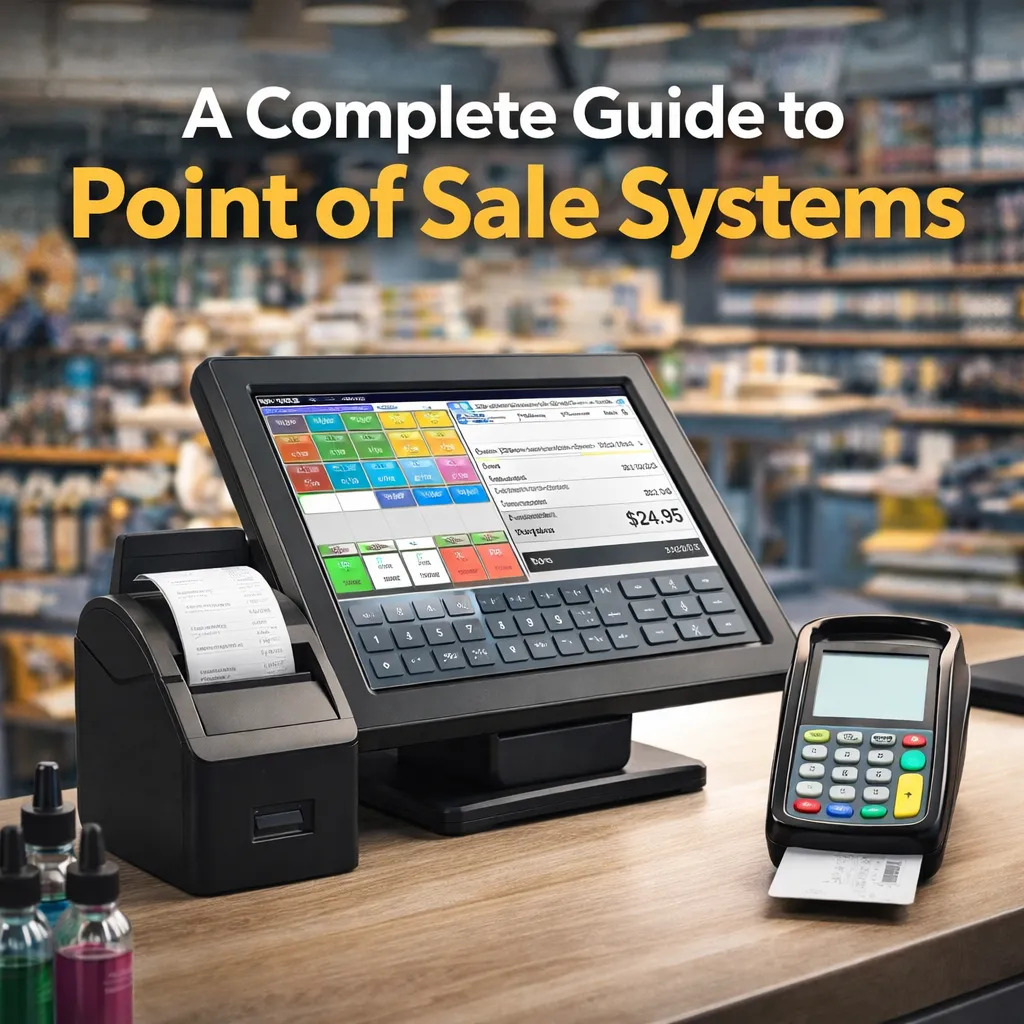
Point of Sale Systems: A Comprehensive Handbook for Companies
In today’s fast-paced business world, managing transactions efficiently is more important than ever. Point of sale systems (POS) are a critical tool for businesses, helping streamline sales, inventory management, and customer interactions. Whether you’re running a small retail store, a restaurant, or a service-based business, investing in a POS system can dramatically improve your operations. In this guide, we’ll explore what point of sale systems are, how they work, and why they are an essential part of modern businesses.
What is a Point of Sale System?
A point of sale system is a combination of hardware and software used by businesses to facilitate the sales process. At its core, it allows a business to process transactions quickly and accurately. While traditional cash registers were once the go-to for completing sales, POS systems now integrate multiple functions, including payment processing, inventory management, and customer data collection.
Key Components of a POS System:
- Hardware: This includes devices such as a computer or tablet, barcode scanners, cash drawers, receipt printers, and payment terminals.
- Software: The software is the brain of the POS system, handling transaction data, sales reporting, inventory tracking, and more.
- Payment Processing: POS systems also include the ability to process payments, whether via cash, credit/debit card, or mobile payments like Apple Pay or Google Wallet.
Types of Point of Sale Systems
POS systems come in various forms, depending on the needs of the business. Here are some of the most common types:
1. Traditional POS Systems
Businesses with physical stores often use traditional POS systems. These systems require specific hardware like registers and barcode scanners, and they operate on dedicated computers or terminals. While more expensive, these systems are reliable and have been a staple in retail for decades.
2. Cloud-Based POS Systems
Cloud-based POS systems have become increasingly popular due to their flexibility and ease of use. Unlike traditional systems that store data locally, cloud POS systems store data on remote servers. This means businesses can access their POS data from anywhere, as long as they have an internet connection. Cloud-based systems are typically subscription-based, with lower upfront costs and regular updates.
3. Mobile POS Systems
Mobile POS systems, often referred to as mPOS, are designed for businesses that require portability, such as food trucks or pop-up shops. These systems run on smartphones or tablets, allowing business owners to process transactions on the go. mPOS systems are easy to set up and ideal for businesses with limited space.
4. Self-Service POS Systems
Self-service POS systems are increasingly common in restaurants, cafes, and fast-food establishments. These systems allow customers to place their own orders and pay without needing a cashier. They are equipped with touchscreens that guide customers through the ordering process and enable them to make payments via card or mobile wallets.
Benefits of Using a Point of Sale System
Using a POS system brings several advantages to businesses, regardless of their size or industry. Here are some of the most significant benefits:
1. Faster Transactions
POS systems are designed to speed up the checkout process, allowing businesses to process payments quickly and efficiently. With barcode scanners and integrated payment terminals, businesses can complete transactions in seconds, reducing wait times for customers and improving overall efficiency.
2. Improved Accuracy
By automating the sales process, POS systems help reduce human error. The system automatically calculates prices, applies discounts, and tracks inventory levels, ensuring that each transaction is recorded accurately. This reduces the risk of mistakes that can affect the bottom line.
3. Inventory Management
POS systems come with built-in inventory management features, helping businesses keep track of stock levels in real-time. Whenever an item is sold, the POS system automatically updates inventory data, so business owners can easily monitor stock levels and know when to reorder products. This helps prevent stockouts and ensures that the business always has the right products available.
4. Better Reporting and Analytics
One of the biggest advantages of modern POS systems is their ability to generate detailed reports and analytics. Business owners can access information on sales trends, customer preferences, employee performance, and more. This data can be used to make informed decisions about pricing, inventory management, and marketing strategies.
5. Enhanced Customer Experience
A POS system helps improve the overall customer experience by speeding up transactions and making the checkout process seamless. With features like loyalty programs, discounts, and personalized customer service, businesses can build stronger relationships with their customers, encouraging repeat business.
Related more articles, pos ireland
Choosing the Right Point of Sale System
Selecting the right POS system for your business depends on several factors. Here are some considerations to keep in mind when making your choice:
1. Business Type
The nature of your business plays a significant role in determining the best POS system for you. Retail stores may prioritize inventory management features, while restaurants may require features like table management and order tracking. Consider your business’s unique needs when evaluating POS systems.
2. Budget
POS systems vary in price, from basic models to more advanced systems with extensive features. Cloud-based and mobile POS systems are generally more affordable, but traditional systems might have a higher upfront cost. Set a budget and choose a system that fits your financial goals.
3. Ease of Use
The ease of use of your POS system is essential for smooth operations. A user-friendly interface ensures that your employees can learn how to operate the system quickly, minimizing downtime and training costs.
4. Customer Support
Good customer support is vital for any POS system. Look for a provider that offers 24/7 customer service, as any downtime or technical issues could impact your business operations.
The Importance of Point of Sale Systems for Businesses
Investing in a point of sale system is essential for any business that wants to streamline its operations and provide a better customer experience. Whether you opt for a traditional, cloud-based, or mobile system, the right POS can help you manage transactions, track inventory, and gain valuable insights into your business’s performance. As technology continues to evolve, POS systems will become even more advanced, offering businesses even greater efficiency and customer engagement. Make sure to choose a POS system that fits your business needs, and you’ll reap the rewards of improved operations and increased profitability.

