Pre rolls are small, they’re fragile, and if the packaging isn’t right, they lose their smell within days. Add in the fact that most states now require child-resistant features by law, and you’ve got a product where the packaging isn’t just a box, it’s doing three jobs at once. Keeping kids out. Keeping smell in. Making the brand look like something worth trusting on a shelf full of competitors.
Most brands get one or two of these right and skip the third. Here’s what actually matters with each one.
Child-Resistance Isn’t a Nice-to-Have Anymore
In nearly every legal cannabis market in the US, pre rolls need child-resistant packaging, whether they’re sold as a single or in a five-pack. The requirement usually traces back to the same testing standard used for medicine bottles: a set percentage of kids under five shouldn’t be able to open it within a certain time window, while adults still can without much trouble.
Here’s the part that trips people up. A lot of tubes and boxes marketed as “child-resistant” were never actually lab-tested. They just look like they should be. That’s a real problem, because if your state pulls a sample and it fails certification, you’re looking at fines, or worse, a full recall. Before ordering in bulk, ask your supplier for the actual test report. Not a claim on a product page, the report itself, with the standard it was tested against named on it. A supplier who’s done this properly won’t hesitate to send it over.
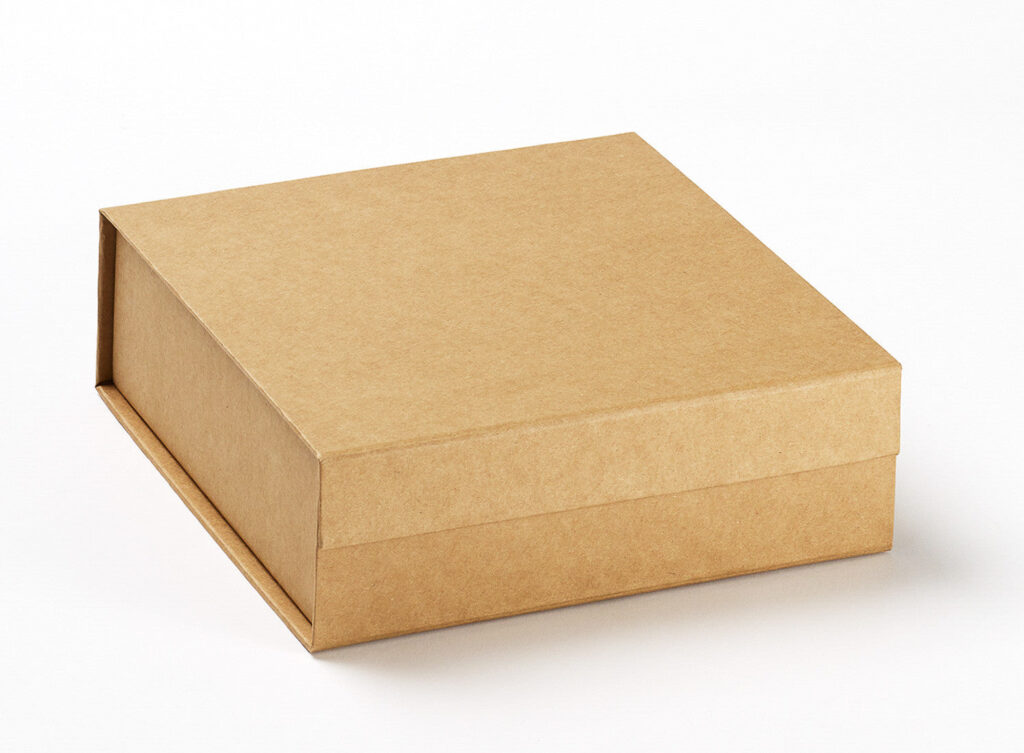
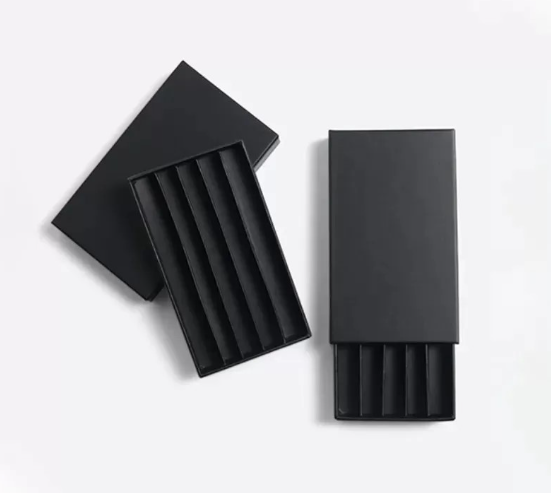
For actual formats, push-and-turn tube caps and lock-tab boxes cover most of the market right now. Tubes work well for single pre rolls. Lock-tab boxes are more common once you’re packing three, five, or ten in one unit.
Odor Control Gets Ignored Until It’s a Problem
Smell is part of the appeal, sure, but only when the customer decides to open the package and smell it. A pre roll that leaks odor through the box on a store shelf, or worse, during shipping, causes real headaches. It can run into shipping restrictions, draw attention nobody wants, and it just makes the whole product feel less premium than it should.
What actually blocks odor comes down to the container and the seal, not how the outside looks. Mylar-lined inserts, foil pouches, glass or heavy-plastic tubes with a rubber gasket, these are what actually hold smell in. A plain cardboard sleeve won’t do it on its own, no matter how well it’s printed. If cardboard is your base material, you need an inner liner or sealed tube insert doing the real work.
Worth trying before you commit to a large order: seal a best pre roll packaging, leave it somewhere warm for two days, then smell it from about a foot away before opening. If you can pick up anything at all, your customer will too, and that means the barrier isn’t strong enough yet.
Design Is Where You Actually Get to Stand Out
Once compliance and freshness are handled, the packaging becomes your cheapest marketing tool. Walk into most dispensaries and the shelf looks the same everywhere: black box, gold foil, a leaf somewhere on the front. Standing out doesn’t take much, just doing something different from that formula.
A few things that actually help brands get noticed and remembered:
Color choices outside black and green tend to catch the eye faster, simply because so few competitors use anything else. Clear window cutouts that let customers see the actual pre roll build trust, especially if the rolls themselves are well made. Matte finishes are reading as more premium than gloss right now in cannabis retail, at least based on what budtenders tend to mention. And compliance labeling, THC content, warnings, batch numbers, needs to be legible, not crammed into tiny print in a corner. Both regulators and customers notice when it isn’t.
None of this should come at the cost of function, though. A great-looking box that fails a CRP test or leaks smell isn’t good packaging. It’s a return waiting to happen.
Questions Worth Asking Before You Order
A few things to nail down with any supplier before committing to a production run:
- Has this exact packaging passed child-resistant certification, and can they send the test report?
- What’s the actual odor barrier material, and has it been tested with real product inside, not just empty?
- Can you get a physical sample before placing a full order?
- What’s the minimum order quantity, and does custom printing change the price?
A supplier worth working with answers these directly. If they’re vague about certification or reluctant to send a sample, that’s usually enough reason to keep looking elsewhere.
Bottom Line
Good pre roll packaging handles three things quietly: it keeps kids safe, keeps the product fresh, and makes the brand recognizable on a crowded shelf. Get the first two right, they’re not optional. Then let the design do its job of getting picked up in the first place.