
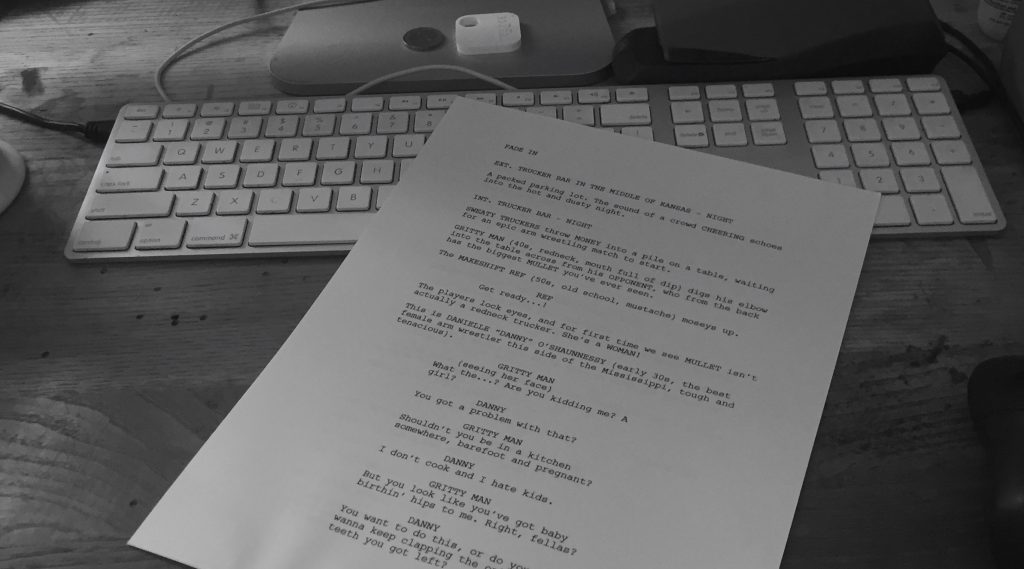
Submitting a screenplay can feel like standing at the edge of a cliff. On one side is the fear of submitting too early and getting rejected. On the other side is the risk of waiting too long and losing momentum or missing an opportunity. The truth is, many writers struggle not because their story isn’t strong, but because they don’t know when it’s truly ready. The key is knowing the difference between a draft and a finished script and understanding the specific signs that show your work is polished, compelling, and market-ready.
The first step is to understand that professional submission is not about perfection; it’s about readiness. A script doesn’t need to be flawless to be submitted, but it does need to be clear, structured, and emotionally engaging. This is where professional feedback becomes invaluable. A credible reader or script consultant can give you an objective assessment of your story’s strengths and weaknesses, and even provide script coverage to help you understand what buyers are looking for. If you’re unsure whether your script is ready, an expert evaluation can help you avoid premature submission and costly rewrites later.
The Difference Between a Draft and a Finished Script
A draft is simply a version of your screenplay that tells the story. A finished script is a version that tells the story well, with clarity, structure, and emotional impact. Many writers mistake “done” for “finished” because they have completed a full run-through of the story. But the industry standard is higher. A finished script is one that has been revised, polished, and tested until it’s strong enough to compete in the marketplace.
Revisions are not a sign of weakness they’re a sign of professionalism. Even the best writers revise multiple times before they submit. The goal is to make sure every scene serves the story, every character has a clear goal, and every plot point drives the narrative forward.
Key Signs Your Script Is Strong Enough
Before you submit, check for these key signs that your script is ready:
Clear and Engaging Premise
Your story should be easy to explain in one sentence. If you can’t pitch your script in a clear logline, it may not be ready yet.
Strong Protagonist with Clear Goals
Your main character should have a clear objective and face meaningful obstacles. Readers should understand what they want and why it matters.
Compelling Conflict and Escalating Stakes
Your story must build tension and raise stakes as it progresses. If the conflict doesn’t escalate, the story will feel flat.
A Satisfying and Earned Ending
The ending should feel earned, not rushed or convenient. A strong conclusion ties up the story while leaving a lasting emotional impact.
Smooth Pacing and Structure
Your story should flow logically, with clear act breaks and strong turning points. If the pacing feels slow or uneven, it may need more revision.
Clean, Professional Formatting
Formatting matters. A script that looks unprofessional can be dismissed before the reader even starts. Use industry-standard formatting and ensure there are no errors.
Common Red Flags That Mean It’s Not Ready
Even if your script feels close, these red flags indicate it may need more work:
- Confusing opening or slow start
- Weak character motivations
- Plot holes or inconsistent logic
- Too many subplots or unnecessary scenes
- Unclear tone or genre
- Overly long dialogue or exposition
If your script has one or more of these issues, it may not be ready for submission. A professional reader can help you identify these weaknesses and suggest solutions that strengthen your story.
The Importance of External Feedback
One of the biggest mistakes writers make is relying solely on their own judgment. It’s difficult to see your own script objectively, especially after spending months or years on it. That’s why external feedback is crucial. Feedback provides a fresh perspective and reveals issues you may have overlooked.
External feedback can come from peers, writing groups, or professional consultants. Each type of feedback has value, but professional feedback is often the most effective because it’s aligned with industry standards. A reader can tell you whether your story is marketable and whether your script is ready for submission.
How to Use a Checklist Before Submitting
A pre-submission checklist can save you time and prevent mistakes. Here’s a checklist you can use:
Story Checks
- Is the premise clear and compelling?
- Does the story have a strong hook?
- Are the stakes escalating throughout the script?
Structure Checks
- Are the act breaks clear?
- Is the pacing consistent?
- Does each scene advance the plot?
Character Checks
- Does the protagonist have a clear goal?
- Do the characters grow or change?
- Are motivations and conflicts strong?
Formatting Checks
- Is the script formatted correctly?
- Are there spelling and grammar errors?
- Is the script clean and easy to read?
If your script checks all these boxes, it’s a strong sign you’re ready to submit.
How to Test Your Script in Real-World Scenarios
Testing your script in real-world scenarios is one of the most effective ways to gauge readiness. Here are some practical tests:
Read Aloud Sessions
Reading your script aloud helps you hear pacing issues, awkward dialogue, and unclear moments. It’s a quick way to spot problems you might miss on the page.
Table Reads with Actors
A table read can reveal whether your characters feel real and whether the dialogue flows naturally. Actors bring the script to life and can show you where scenes drag or feel confusing.
Feedback from Trusted Writers
Trusted writers can provide honest, constructive feedback. Choose people who understand your genre and know what makes a strong screenplay.
Compare to Produced Scripts
Compare your script to produced scripts in your genre. This helps you understand industry standards and whether your script fits the market.
Knowing When to Stop Revising
Endless rewrites can become a trap. Many writers keep revising because they’re afraid of submitting. But at some point, revisions stop improving the script and start delaying your progress.
Here are signs you’ve reached “good enough”:
- Your script is clear, coherent, and emotionally engaging.
- Your characters are strong and motivated.
- The structure is solid and pacing is consistent.
- You’ve received consistent feedback that indicates the script is ready.
Set a revision limit and a deadline. Once you reach that point, submit confidently.
Submission Strategies That Increase Your Chances
Submitting your script is not just about the script itself it’s also about strategy. Here are some tips to increase your chances:
Target the Right Industry Contacts
Don’t submit blindly. Target producers, managers, or contests that fit your genre and style.
Tailor Your Pitch and Logline
A strong logline is essential. Your pitch should be clear, concise, and compelling.
Choose the Right Submission Platform
Use reputable platforms and follow submission guidelines carefully.
Timing and Follow-Up Etiquette
Submit at the right time and follow up professionally if necessary. Avoid aggressive or repeated follow-ups.
Conclusion
Knowing when your script is ready to submit is a skill that comes from experience, honesty, and objective feedback. If your script has a strong premise, compelling characters, clean structure, and no major red flags, it may be ready for submission. Don’t let fear or perfectionism hold you back professional feedback and a clear checklist can help you submit with confidence.
When you feel confident that your script is polished and market-ready, take the leap. The industry rewards writers who are prepared, persistent, and professional.