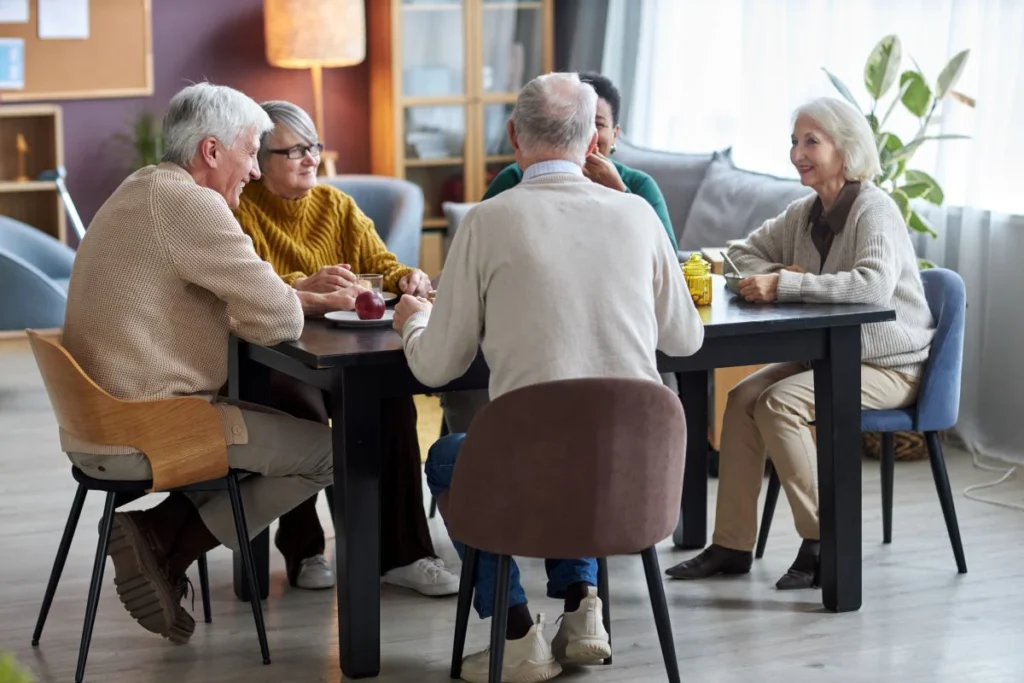
Social isolation has become a growing concern among older adults, especially as daily routines change with age. Limited interaction can affect both emotional and physical health. In this context meetup groups for the elderly offer a practical way to stay socially active and engaged within the community.
Impact of Social Isolation on Older Adults
A lack of regular interaction can lead to low mood, reduced confidence, and a decline in overall well-being. Many older adults may feel disconnected from their surroundings, which can affect their willingness to take part in daily activities. Regular social contact helps maintain a sense of purpose and supports emotional stability.
Understanding Meetup Groups for the Elderly
Meetup groups for the elderly are organised gatherings where older individuals can connect with others who share similar interests. These groups are simple to join and often supported by local communities.
Common types of activities include:
- Social meetups: Informal gatherings that encourage conversation and interaction
- Walking groups: Light outdoor activities that promote movement and fresh air
- Hobby circles: Sessions focused on interests such as reading, gardening, or crafts
- Community events: Organised programmes led by local centres or volunteers
These varied options make it easier for individuals to find activities that suit their preferences and comfort levels.
Emotional Benefits of Regular Group Interaction
Regular group interaction can improve mood and reduce feelings of loneliness. Being part of a group provides reassurance and creates a sense of belonging. It also introduces structure into the week, which helps individuals stay engaged and mentally active.
Building Meaningful Social Connections
Meetup groups support the development of lasting relationships. Over time, participants build trust and form friendships based on shared experiences. These connections often become a dependable support system in which individuals feel heard and valued.
Encouraging Active and Healthy Lifestyles
Participation in group activities also supports physical and daily engagement. Many meetup groups include simple activities that help individuals stay active.
Key benefits include:
- Physical movement: Activities such as walking or stretching help maintain mobility
- Routine building: Regular meetups encourage a consistent daily schedule
- Mental engagement: Group games and discussions keep the mind active
These activities contribute to overall well-being and help individuals maintain a balanced lifestyle.
Support Systems That Enable Participation
Access to social opportunities often depends on the support available to older adults. Assistance from different sources can make participation easier and more consistent.
Important support systems include:
- Family support: Encouragement and help with attending group activities
- Carer assistance: Guidance and physical support for those with mobility needs
- Community organisations: Local groups that organise and manage meetups
- NDIS disability services: Support with planning, coordination, and access to suitable social programmes
Such support ensures that more individuals can take part in group activities without difficulty while benefiting from reliable NDIS disability services tailored to their individual needs.
Improving Accessibility and Inclusion
Practical factors play an important role in ensuring that meetup groups remain inclusive for all participants.
Key considerations include:
- Transport access: Reliable options to travel to and from meetup locations
- Mobility support: Facilities that accommodate different physical needs
- Safe environments: Secure and comfortable spaces for interaction
- NDIS disability services: Continued assistance to address barriers and improve participation
Addressing these factors helps create an environment where everyone can participate with confidence.
Conclusion
Meetup groups provide older adults with a simple way to stay connected and active. They support emotional health, encourage social interaction, and promote a healthier routine. With the right support and accessibility, these groups can play an important role in improving overall well-being.