
Power is one of the most critical resources during emergencies. Natural disasters, severe storms, earthquakes, and other crises can disrupt electricity for hours or even days. In such situations, having a reliable backup power source can save lives and protect property. Disaster relief generators are designed to provide electricity when it is needed most, ensuring that homes, hospitals, shelters, and emergency response operations continue to function even during the toughest situations.
This article explores how disaster relief generators work, their key benefits, and why they are an essential part of emergency preparedness.
What Are Disaster Relief Generators?
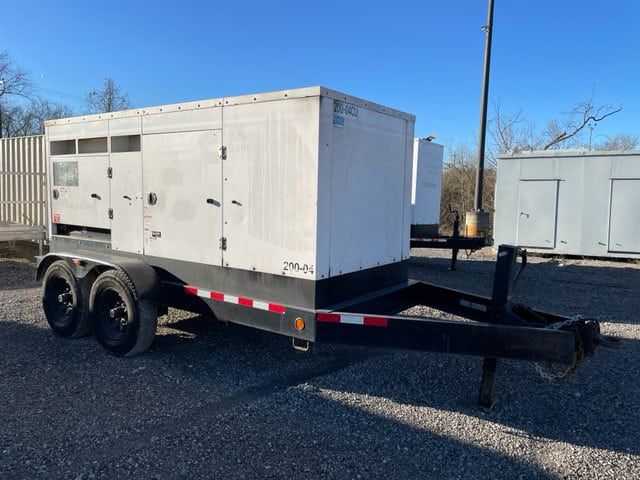
Disaster relief generators are specialized generators built to deliver temporary electricity during emergencies. They can be portable or stationary and are used by governments, humanitarian organizations, businesses, and households. Unlike standard generators, disaster relief generators are designed for rapid deployment, durability, and the ability to handle critical loads during unpredictable situations.
These generators typically run on diesel, gasoline, or propane. Some modern models may also include hybrid systems that combine solar or battery storage with fuel-based generators. The primary goal is to provide reliable power when the main electricity grid fails.
How Disaster Relief Generators Work
Disaster relief generators operate by converting fuel into electrical energy. The generator contains an engine that drives an alternator. As the engine runs, the alternator produces electricity that can be used immediately or stored in batteries for later use.
Most disaster relief generators come with voltage regulation systems to protect sensitive equipment from fluctuations. Some models are designed to automatically start when power is lost, making them ideal for hospitals and critical facilities. Others are portable units that can be moved quickly to areas affected by emergencies.
Key Benefits of Disaster Relief Generators
Disaster relief generators provide several advantages during power outages and emergency situations:
1. Reliable Power Supply
The primary benefit of disaster relief generators is their ability to supply power when the main grid fails. Hospitals, emergency shelters, and disaster response teams depend on these generators to maintain operations, preserve critical data, and keep communication systems active.
2. Quick Deployment
Many disaster relief generators are portable and can be transported to affected areas quickly. This speed of deployment is crucial during disasters when immediate power is needed for lighting, medical equipment, and communication tools.
3. Scalability
Disaster relief generators come in various sizes and capacities. Small portable units can power essential household appliances, while larger industrial generators can supply electricity to entire hospitals, data centers, or emergency response centers. This scalability allows organizations to match generator capacity to specific needs.
4. Durability and Long-Term Operation
Disaster relief generators are built to withstand harsh conditions. They are durable and capable of running for extended periods, ensuring continuous power during prolonged emergencies.
5. Support for Critical Equipment
Certain equipment, such as medical devices, refrigeration for vaccines, and communication systems, require uninterrupted power. Disaster relief generators are designed to handle these critical loads safely, protecting both people and property.
Applications of Disaster Relief Generators
Disaster relief generators are used in a variety of settings during emergencies:
- Hospitals and Healthcare Facilities: Provide continuous power to life-saving medical equipment and emergency lighting.
- Emergency Shelters: Ensure heating, cooling, and lighting systems function for displaced individuals.
- Remote and Off-Grid Areas: Deliver electricity to communities cut off from the main grid after storms or natural disasters.
- Disaster Response Teams: Support communication systems, water purification units, and mobile command centers.
- Businesses and Data Centers: Maintain essential operations and prevent loss of critical data.
These applications highlight the importance of disaster relief generators in both community and organizational emergency planning.
Choosing the Right Disaster Relief Generator
Selecting the right disaster relief generator depends on several factors:
- Power Requirements: Determine the total wattage needed for essential devices and equipment.
- Fuel Type and Availability: Consider whether diesel, gasoline, propane, or hybrid systems are most accessible in your area.
- Portability: For rapid deployment, portable units with wheels or lightweight designs are ideal.
- Runtime: Choose generators with enough fuel capacity to operate for extended periods during prolonged outages.
- Durability: Ensure the generator can withstand harsh weather and rough handling in emergency situations.
Proper planning and selection ensure that disaster relief generators provide reliable power when it matters most.
Maintenance and Safety Considerations
Regular maintenance is essential for disaster relief generators to function properly during emergencies. This includes checking fuel levels, inspecting engines, changing oil and filters, and testing electrical output.
Safety is also critical. Generators must be operated in well-ventilated areas to avoid carbon monoxide poisoning. Electrical connections should follow proper standards to prevent overloads or accidents.
By maintaining and operating disaster relief generators safely, organizations and homeowners can rely on them during critical moments.
Combining Disaster Relief Generators with Renewable Energy
Some organizations combine disaster relief generators with solar panels, wind turbines, or battery storage systems. This hybrid approach reduces fuel consumption, provides continuous power even if fuel supplies run low, and supports sustainable emergency energy solutions.
Combining diesel or gasoline generators with renewable energy also allows for smaller generator sizes, which can reduce operating costs and improve efficiency during prolonged emergency situations.
Conclusion
In times of crisis, access to reliable electricity is vital. Disaster relief generators ensure that essential services, homes, and emergency operations can continue even when the main power grid fails. They provide reliable, durable, and scalable electricity, making them indispensable tools for disaster preparedness.
Understanding the capabilities, applications, and maintenance requirements of disaster relief generators allows individuals and organizations to plan effectively for emergencies. By investing in the right generator and maintaining it properly, communities can protect lives, maintain communication, and recover more quickly when disasters strike.
Disaster relief generators are more than just backup power they are a lifeline when it is needed most.