
Providing proper shelter and comfort for livestock is a key part of successful farming. Cows, like all farm animals, need protection from extreme weather conditions and a safe space to rest. One natural solution that farmers have relied on for generations is planting cedars for cows. These trees offer shade, windbreaks, and a more comfortable environment, contributing to healthier animals and more productive farms.
Using cedars for cows is an environmentally friendly and sustainable way to support livestock welfare. They improve farm conditions, reduce stress in animals, and even benefit soil and pasture health. Understanding how cedars enhance cow comfort can help farmers make better decisions for their herd.
The Role of Cedars in Livestock Comfort
Cows are sensitive to weather extremes. Heat, cold, wind, and rain can all affect their health and productivity. Cedars for cows provide natural shelter that addresses these challenges. During hot weather, cedar trees offer shade that helps reduce heat stress. Overheating can lower milk production in dairy cows and reduce grazing efficiency in beef cattle. Shade from cedars allows cows to rest comfortably and regulate their body temperature naturally.
In colder months, cedars serve as windbreaks. They block strong winds, reducing the chilling effect on cows. This is especially important for young calves, older cows, and animals that are less resilient to cold. By providing protection from wind and snow, cedars help maintain animal health and reduce energy loss.
Enhancing Pasture and Grazing Management
Planting cedars strategically around pastures can improve grazing management. They offer cows areas to rest without trampling the entire field, which helps protect the grass and reduces soil compaction. Healthy pastures are essential for sustainable farming because they provide cows with nutritious feed while maintaining soil quality.
Cedars also create microenvironments where soil moisture is better retained. The shade and root systems of cedar trees reduce evaporation, keeping the soil and pasture healthier. This leads to more consistent grazing conditions throughout the year.
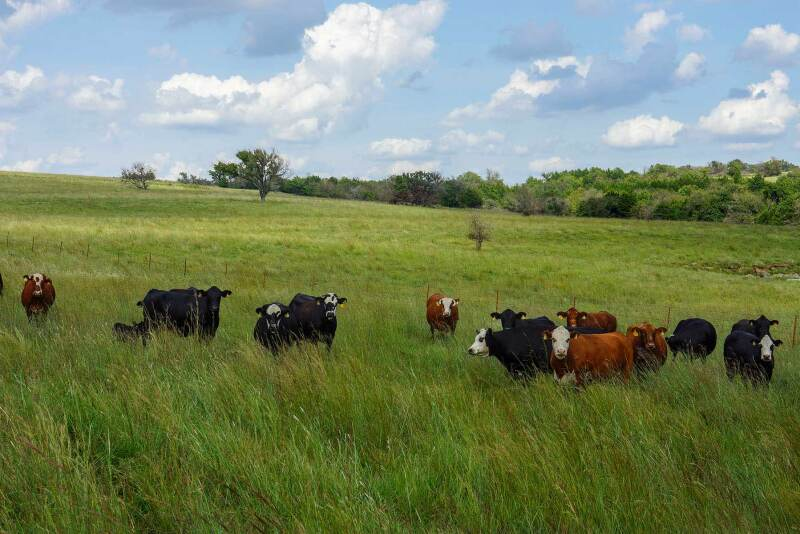
Reducing Stress and Improving Animal Welfare
Cows are more productive when they are comfortable. Stress from heat, cold, or exposure to harsh weather can affect milk yield, weight gain, and overall health. Cedars for cows create calmer and more comfortable environments, reducing stress levels.
Animals that have access to natural shelter tend to spend more time grazing and resting rather than seeking relief from weather extremes. This natural comfort improves welfare and supports better growth and productivity on farms.
Supporting Environmental Sustainability
Cedars for cows are not only beneficial for the animals but also for the environment. Trees reduce soil erosion by stabilizing the ground with their roots. They help maintain water quality by slowing runoff and filtering nutrients before they enter streams or ponds. Additionally, cedar trees sequester carbon, which contributes to long-term environmental sustainability.
By planting cedars around pastures, farmers create a natural, self-sustaining shelter system that reduces the need for artificial structures. This lowers construction costs and energy use, making farms more eco-friendly.
Strategic Planting for Maximum Benefit
For cedars to be effective, careful planning is important. Farmers should consider the orientation of wind, sun, and grazing patterns. Planting cedars along fence lines or in clusters can provide shade throughout the day and effective wind protection. The spacing and density of the trees should allow cows to move freely while still offering shelter.
Combining cedars with other natural features, such as hills or existing tree lines, can enhance protection. Over time, cedars grow larger and stronger, providing even more effective shelter for the herd.
Long-Term Investment in Farm Productivity
Cedars for cows are a long-term investment. While the trees take time to mature, the benefits increase with age. Mature cedars offer better windbreaks, more extensive shade, and improved soil health. Farmers who invest in planting cedars now will enjoy a healthier herd, more resilient pastures, and reduced dependence on artificial shelters in the future.
Additionally, these trees can increase property value. Well-managed pastures with natural shelter systems are more attractive and sustainable, which benefits farm operations over the long term.
Additional Benefits of Cedars
Beyond shelter and comfort, cedars for cows offer other advantages:
- Natural Habitat: Cedar trees provide habitats for birds and beneficial insects, supporting biodiversity on the farm.
- Air Quality: Trees improve air circulation and reduce dust in pastures, contributing to better respiratory health for cows.
- Aesthetic Value: Cedar-lined pastures create a visually appealing farm landscape, which can be beneficial for agritourism or community engagement.
These benefits make cedars a multifunctional resource that enhances both farm productivity and environmental health.
Conclusion
Using cedars for cows is a simple yet effective way to improve shelter, comfort, and overall farm sustainability. By providing shade, acting as windbreaks, and supporting pasture health, cedar trees help maintain healthier, less-stressed animals. They also contribute to soil stability, water retention, and long-term environmental benefits.
Planting cedars is a strategic investment that improves the welfare of the herd, supports sustainable farming practices, and enhances productivity. Farmers who understand the value of cedars for cows can create natural, durable, and cost-effective shelter systems that benefit animals, the environment, and the farm as a whole.