Global energy and natural resource industries require enormous capital investments to explore, develop, and operate projects. Oil fields, natural gas reserves, mining operations, and mineral extraction projects often demand billions of dollars in infrastructure, drilling equipment, logistics, and regulatory compliance. Traditionally, these investments have been limited to governments, multinational corporations, institutional investors, and private equity funds due to the complexity, cost, and regulatory barriers involved.
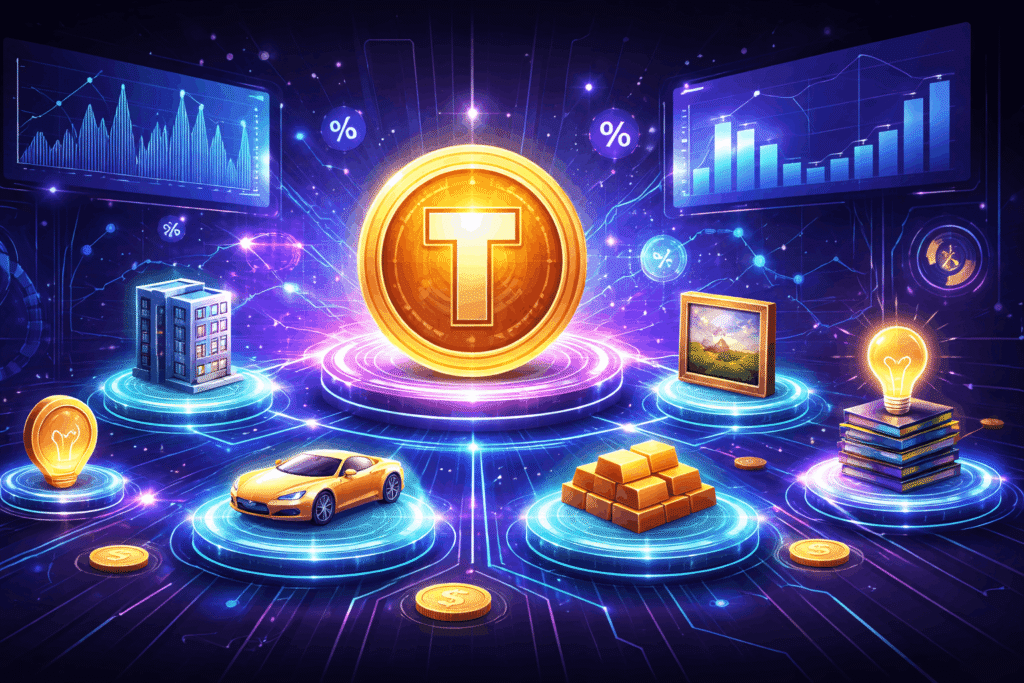
However, the emergence of blockchain technology and Real World Asset (RWA) tokenization has introduced a new framework for financing physical assets. Tokenization converts ownership rights of tangible assets into digital tokens recorded on blockchain networks. These tokens represent fractional ownership of real assets such as oil reserves, mining rights, pipelines, or natural gas production facilities. By digitizing these assets, tokenization transforms traditionally illiquid investments into accessible and tradable financial instruments.
Oil, gas, and natural resource sectors are particularly suited for tokenization because they involve large-scale assets with measurable production output and long-term value. By dividing ownership into blockchain-based tokens, projects can raise capital from a global pool of investors while increasing transparency, liquidity, and operational efficiency.
Understanding Real World Asset Tokenization
Real-world asset tokenization refers to the process of converting ownership rights of physical or financial assets into digital tokens that exist on blockchain networks. Each token represents a portion of the underlying asset, allowing investors to buy, sell, or transfer ownership digitally.
In traditional systems, assets such as energy reserves or mineral rights are documented through complex legal contracts and centralized registries. These processes often involve multiple intermediaries, lengthy verification procedures, and restricted access to investment opportunities.
Tokenization simplifies this structure by recording ownership on decentralized ledgers. Blockchain ensures that transaction records are immutable, transparent, and verifiable by all participants. Smart contracts automate processes such as dividend distribution, revenue sharing, and compliance checks.
For example, an oil drilling project could tokenize the rights to a portion of its production output. Investors purchasing these tokens would gain exposure to the revenue generated from oil extraction. Instead of requiring millions of dollars for direct participation, investors could participate with smaller capital allocations.
This fractional ownership model creates new funding channels for energy projects while opening investment opportunities to a wider audience.
The Traditional Challenges in Financing Natural Resource Projects
Oil, gas, and natural resource projects face several financial and operational challenges under traditional investment structures. These limitations restrict both project developers and potential investors.
High Capital Requirements
Resource extraction projects often require massive upfront investments. Exploration, drilling equipment, geological surveys, and infrastructure development can cost hundreds of millions or even billions of dollars. As a result, only large corporations or institutional investors typically have the financial capacity to participate.
Limited Investor Access
Retail investors and smaller institutions rarely gain access to energy sector investments because opportunities are restricted to private placements, venture capital deals, or government-controlled licensing frameworks. These barriers prevent broader participation in high-value resource markets.
Illiquid Assets
Investments in oil wells, mining operations, or natural gas infrastructure are typically long-term commitments. Investors cannot easily exit their positions because transferring ownership involves legal negotiations, regulatory approvals, and complex documentation.
Complex Regulatory Processes
Energy and mining projects operate within strict regulatory frameworks involving environmental assessments, licensing authorities, and cross-border compliance requirements. Managing these processes increases operational costs and slows investment cycles.
Lack of Transparency
Traditional investment structures rely on centralized reporting systems, which can limit transparency in production data, revenue distribution, and operational performance. Investors often depend on third-party audits or delayed financial disclosures.
These challenges highlight why alternative financing mechanisms such as blockchain-based tokenization are gaining attention within the resource sector.
How Tokenization Transforms Energy and Resource Investment
Tokenization introduces several structural improvements to the way oil, gas, and natural resource assets are financed and traded.
Fractional Ownership
Blockchain tokens allow resource assets to be divided into smaller investment units. Instead of purchasing an entire oil well or mining operation, investors can acquire fractional shares represented by tokens.
This structure significantly lowers entry barriers and allows investors to diversify across multiple projects rather than committing capital to a single asset.
Global Investment Participation
Tokenized assets can be offered to investors across multiple jurisdictions through blockchain platforms. This global reach expands the investor base beyond traditional financial institutions.
Energy companies can access capital from international markets, family offices, and individual investors who previously had no access to resource-sector investments.
Increased Liquidity
Digital tokens can be traded on blockchain-based marketplaces or secondary trading platforms. This improves liquidity for assets that were historically difficult to sell.
Investors gain the ability to exit positions without waiting for project completion or complex ownership transfers. This liquidity attracts more participants to energy and resource markets.
Automated Revenue Distribution
Smart contracts can automate revenue distribution based on production output or profit-sharing agreements. For example, when oil is sold or natural gas production generates revenue, smart contracts can automatically distribute earnings to token holders.
This automation reduces administrative overhead and ensures transparent payment mechanisms.
Enhanced Transparency
Blockchain ledgers provide transparent transaction records that can be verified by all participants. Production data, revenue allocation, and token transfers can be recorded on-chain, improving investor confidence.
Transparency is particularly valuable in industries where investors rely heavily on operational data to evaluate project performance.
Tokenization in Oil and Gas Exploration
Exploration is one of the most capital-intensive phases of oil and gas development. Geological surveys, seismic imaging, and drilling tests require significant funding before any revenue is generated.
Tokenization can provide alternative financing mechanisms during this stage. Energy companies can issue tokens representing future production rights or revenue shares tied to exploration projects.
Investors purchasing these tokens effectively support early-stage exploration while gaining exposure to potential future output. If a project successfully identifies commercially viable reserves, token holders benefit from production revenues or token value appreciation.
This model distributes financial risk among a broader group of investors rather than concentrating it among a few venture capital firms or corporate stakeholders.
Tokenizing Natural Gas Infrastructure
Natural gas infrastructure includes pipelines, storage facilities, liquefaction plants, and transportation networks. These assets generate long-term revenue through service contracts and supply agreements.
Tokenization can represent ownership or revenue rights associated with these infrastructure assets. For example, tokens could represent shares of pipeline transportation fees or gas storage capacity.
Because infrastructure assets typically produce predictable cash flows, they are attractive candidates for tokenized investment structures. Investors gain exposure to stable revenue streams while infrastructure operators access new funding sources for expansion projects.
Blockchain in Mineral and Mining Projects
Mining projects involve exploration, extraction, processing, and distribution of valuable minerals such as gold, copper, lithium, and rare earth metals. These industries are critical for manufacturing, renewable energy technologies, and global supply chains.
Tokenization can digitize mining rights or mineral reserves, allowing companies to raise funds by issuing tokens backed by resource deposits. Investors gain exposure to commodity markets without directly owning physical minerals.
For example, a mining company could tokenize a portion of its copper reserves. Each token would represent a share of future production output or revenue generated from mineral extraction.
This structure enables companies to secure funding for equipment, operations, and environmental compliance while maintaining operational control of the mining project.
Expanding Investment Opportunities Through Tokenized Resource Markets
Tokenization introduces new possibilities for capital markets connected to natural resources.
Energy developers can use blockchain-based funding models to finance projects in regions where traditional financial institutions may hesitate to invest due to political risk or infrastructure limitations.
Tokenized investments also enable diversification strategies. Investors can allocate capital across oil wells, gas pipelines, mineral reserves, and renewable resource projects without needing direct ownership or operational involvement.
Institutional investors, hedge funds, and private investors can build diversified portfolios based on tokenized commodity assets.
Improving Supply Chain Transparency in Resource Industries
Beyond investment structures, blockchain technology improves supply chain transparency for natural resource industries.
Oil, gas, and mining supply chains involve complex networks of producers, transporters, refiners, and distributors. Tracking resources across these networks can be difficult, especially when operations span multiple countries.
Blockchain systems can record resource extraction, transportation, and ownership transfers in real time. When combined with tokenized asset models, this transparency provides investors with reliable data regarding production volumes and asset utilization.
Such visibility supports more accurate valuation models and reduces information asymmetry between project operators and investors.
Environmental and Sustainability Considerations
Energy and mining industries increasingly face environmental scrutiny and regulatory pressure related to sustainability and carbon emissions.
Tokenization platforms can integrate environmental data into blockchain records, providing transparency regarding resource extraction practices, carbon output, and environmental compliance.
Investors seeking sustainable investment opportunities can analyze verified data about energy projects before committing capital.
Additionally, tokenized structures may support financing for cleaner extraction technologies, environmental restoration initiatives, or renewable energy transitions within resource industries.
Regulatory and Compliance Considerations
Despite its potential, tokenization in natural resource markets must navigate complex regulatory environments.
Governments regulate oil, gas, and mining industries through licensing systems, environmental regulations, and financial compliance frameworks. Tokenized investment structures must align with these legal requirements.
Regulatory authorities in many jurisdictions are still developing frameworks for blockchain-based financial instruments. Compliance with securities laws, investor protection rules, and anti-money laundering requirements remains essential.
Clear regulatory guidance will play a major role in determining how quickly tokenized resource markets develop.
The Future of Tokenized Energy and Resource Markets
The tokenization of real-world assets is gaining attention across multiple industries, including real estate, commodities, infrastructure, and supply chain finance. Within the energy and natural resource sector, tokenization represents a significant shift in how projects are funded and managed.
As blockchain infrastructure matures, tokenized energy assets could become integrated into global digital financial markets. Energy companies may increasingly rely on blockchain-based funding mechanisms to complement traditional financing structures.
Tokenized commodity markets may also connect with decentralized finance ecosystems, enabling new financial instruments based on resource production and commodity pricing.
Over time, tokenization could create more efficient, transparent, and accessible investment markets for natural resources.
Conclusion
Oil, gas, and natural resource industries play a fundamental role in global economic development, yet traditional financing structures often limit participation to large institutions and corporate stakeholders. High capital requirements, limited liquidity, and complex ownership transfers restrict access to these markets.
Real-world asset tokenization introduces a new framework for transforming resource-based investments. By converting physical assets into blockchain-based tokens, energy projects can divide ownership into fractional units, enabling broader investor participation and improved liquidity.
Tokenization also enhances transparency through blockchain records and automates financial processes through smart contracts. These capabilities reduce operational friction while strengthening trust between project operators and investors.
As regulatory frameworks evolve and blockchain infrastructure continues to mature, tokenized oil, gas, and natural resource assets may become a significant component of global digital finance. Through this transformation, industries that historically required massive institutional funding could open their investment opportunities to a wider and more diverse group of participants.