Road safety has become a major concern due to rising vehicle numbers and higher traffic speeds. Authorities now rely on physical systems to reduce risks and manage movement effectively. A traffic barrier plays a key role in this effort by controlling vehicle paths and limiting damage during accidents, making roads safer for all users.
Role of Traffic Barriers in Road Safety
A traffic barrier is a protective structure placed along roads, medians, or edges to guide vehicles and reduce impact during collisions. It works by absorbing or redirecting force, which helps prevent severe injuries and damage. These barriers are widely used on highways, flyovers, and city roads where safety control is essential.
Preventing Lane Breaches and Collisions
Traffic barriers help reduce serious accidents by keeping vehicles within their designated paths and preventing dangerous crossovers. Their role becomes critical on busy roads where even a small error can lead to major incidents.
- Stops vehicles from entering opposite lanes.
- Reduces the chances of head-on collisions.
- Limits the impact of multi-vehicle accidents.
- Maintains clear separation between traffic flows.
These functions help create a safer driving environment and reduce the overall risk of severe road accidents.
Enhancing Traffic Discipline and Road Guidance
Traffic barriers help drivers clearly understand road boundaries. They act as visual and physical guides, especially during diversions or road repairs. This improves lane discipline and reduces confusion in busy areas. As a result, traffic flow becomes smoother, and drivers can respond better to changing road conditions.
Safety in High-Risk and Restricted Areas
Certain road sections require additional protection due to higher levels of risk. Strategic barriers are placed to reduce exposure to hazards and improve control in these areas.
- Installed near sharp turns and bridges.
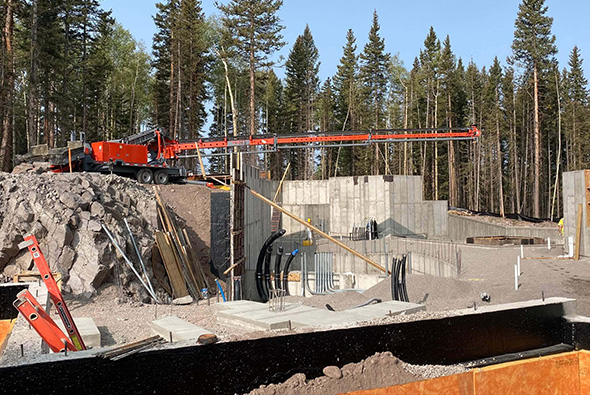
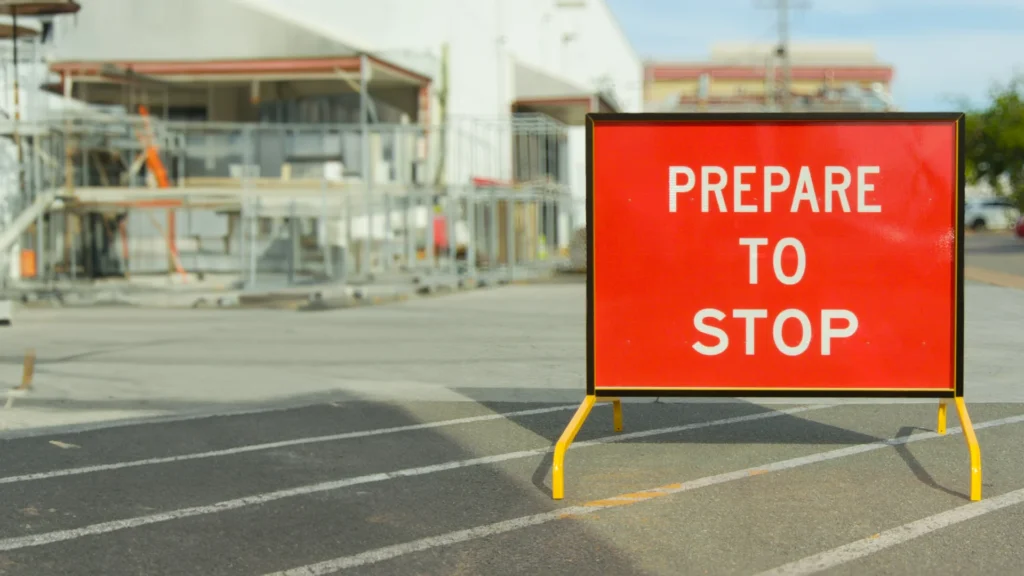
- Used around construction and maintenance zones.
- Restricts access to sensitive or restricted areas.
- Reduces the risk of roadside drops or obstacles.
Their presence enhances safety for both drivers and workers in areas where accidents are more likely.
Long-Term Reliability and Cost Control
Traffic barriers are built from strong materials that can withstand impacts and harsh weather. This makes them reliable for long-term use with minimal maintenance. By reducing the severity of accidents, they also help lower repair costs and limit damage to public infrastructure, which supports better cost control over time.
Improving Pedestrian and Area Protection with Bollards
In areas where pedestrian safety is important, safety bollards provide focused protection by creating clear boundaries between vehicles and people.
- Protects walkways and pedestrian zones.
- Prevents unauthorised vehicle entry.
- Secures building entrances and public spaces.
- Helps manage movement in parking and access areas.
By using safety bollards, authorities can improve safety in areas where direct interaction between vehicles and pedestrians needs strict control.
Combined Use for Layered Road Safety
Using barriers along with bollards creates a more effective safety system. While barriers manage vehicle movement on roads, bollards protect specific areas from unauthorised access. Together, they provide layered protection that improves control and safety across highways, urban roads, and public spaces.
Conclusion
Traffic barriers play a vital role in improving road safety by controlling traffic and reducing the impact of accidents. They improve traffic flow, protect high-risk zones, and reduce long-term costs. When used with supporting safety systems, they help create safer roads and public spaces suited to modern traffic demands.