
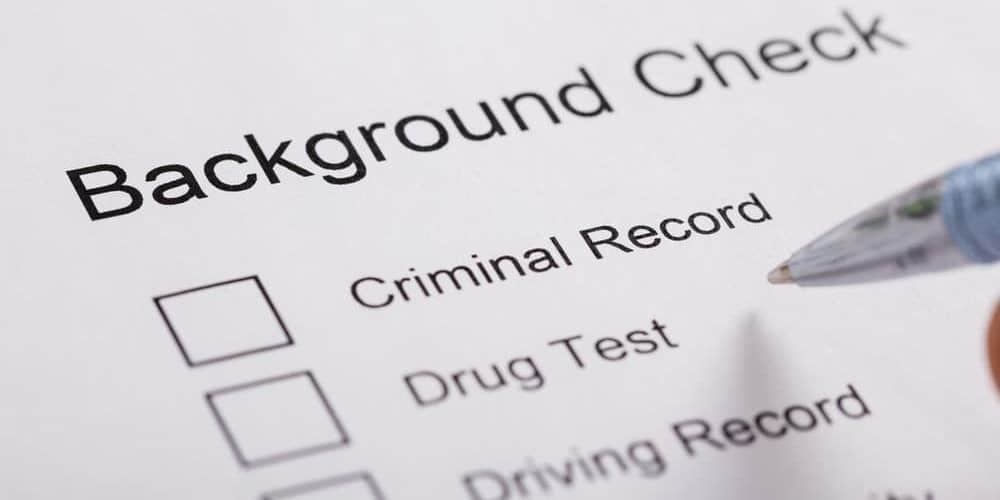
In today’s fast-moving and highly connected world, trust plays a crucial role in professional, financial, and personal relationships. Organizations and individuals are increasingly required to verify information before making important decisions. This is where a background check becomes essential. From hiring employees and renting property to approving financial transactions and onboarding partners, background checks help reduce risk and ensure transparency.
This comprehensive article explains what a background check is, why it is important, how it works, its types, legal considerations, benefits, challenges, and future trends. By the end of this guide, you will have a clear understanding of how background checks support informed decision-making and long-term security.
What Is a Background Check?
A background check is a formal process used to verify an individual’s personal, professional, and legal history. It involves collecting information from reliable sources to confirm identity, employment records, education credentials, criminal history, and sometimes financial behavior. The purpose of a background check is to validate the accuracy of the information provided by an individual.
The scope of a background check can vary depending on its purpose. Some checks are basic and limited to identity verification, while others are extensive and cover multiple aspects of a person’s background. Regardless of depth, a background check aims to reduce uncertainty and support responsible decision-making.
Why Background Check Is Important
The importance of a background check lies in its ability to protect people, organizations, and assets. Hiring or partnering with the wrong individual can result in financial loss, reputational damage, or legal consequences. A proper background check helps identify potential red flags before they become serious problems.
For employers, background checks promote workplace safety and compliance with regulations. For landlords, they reduce the risk of problematic tenants. Financial institutions rely on background checks to assess risk, while individuals may use them for personal safety. In all cases, the process strengthens trust and accountability.
Common Situations Where Background Checks Are Used
A background check is widely used in employment screening, where companies verify candidates before making job offers. This helps confirm qualifications, experience, and overall suitability for a role. Another common use is tenant screening, where landlords assess potential renters.
Background checks are also used in education, immigration, financial lending, volunteer programs, and licensing processes. In each situation, the goal is to ensure that individuals meet required standards of trust, responsibility, and reliability.
Types of Background Check
There are several types of background check processes, each designed for a specific purpose. Criminal background checks focus on identifying past convictions or pending cases. Employment background checks verify work history, job titles, and performance records.
Education verification checks confirm academic qualifications and certifications. Credit background checks assess financial responsibility and are commonly used by lenders and landlords. Identity verification ensures that the individual is who they claim to be. Depending on the situation, one or more types of background checks may be combined.
Criminal Background Check Explained
A criminal background check is a key component of many screening processes. It involves reviewing criminal records maintained by law enforcement agencies or courts. These records may include convictions, arrests, or ongoing cases, depending on legal access.
Employers often conduct criminal background checks for roles involving trust, security, or access to sensitive information. However, these checks must be used responsibly and in compliance with local laws to avoid unfair discrimination.
Employment Background Check Process
An employment background check focuses on verifying a candidate’s professional history. Employers confirm previous job roles, employment dates, and sometimes reasons for leaving. References may also be contacted to gain insight into a candidate’s behavior and performance.
This type of background check helps organizations avoid resume fraud and hire individuals who genuinely meet role requirements. It also supports better workforce planning and performance outcomes.
Education Verification in Background Checks
Education verification is an important part of a background check, especially for roles requiring specific qualifications. This process confirms degrees, diplomas, and professional certifications with educational institutions.
False claims about education can undermine trust and create compliance risks. By verifying academic credentials, organizations ensure professional standards and protect their reputation.
Credit and Financial Background Check
A credit background check evaluates an individual’s financial history, including credit behavior and outstanding obligations. This type of background check is commonly used by banks, lenders, and landlords.
In employment settings, credit checks are usually limited to roles involving financial responsibility. Legal compliance and informed consent are essential to ensure fairness and transparency.
Legal Framework Governing Background Checks
The background check process is governed by laws that protect individual rights and privacy. Most jurisdictions require informed consent before conducting any background check. Individuals must know what information is being collected and how it will be used.
There are also regulations on data usage, storage, and retention. Employers and organizations must ensure that background checks are relevant to the purpose and comply with labor and data protection laws.
Privacy and Consent in Background Checks
Privacy is a critical aspect of any background check. Individuals have the right to transparency and control over their personal information. Clear communication about the scope and purpose of the check helps build trust.
Organizations are responsible for securely storing data, limiting access, and preventing misuse. Ethical handling of background check information protects both parties and supports long-term credibility.
How Long Does a Background Check Take?
The time required for a background check depends on its scope and the sources involved. Basic checks may be completed within a few days, while comprehensive checks involving multiple databases or international records can take several weeks.
Delays may occur due to incomplete information or manual verification processes. Providing accurate details and planning ahead can help streamline the background check process.
Benefits of Conducting a Background Check
One of the main benefits of a background check is risk reduction. Identifying potential issues early helps prevent costly mistakes and ensures safer environments. Background checks also improve decision-making by providing verified information.
Another benefit is compliance. Many industries require background checks by law. Consistent screening practices protect organizations from legal liability and reputational harm.
Challenges in the Background Check Process
Despite its advantages, the background check process has challenges. Inaccurate or outdated records can lead to false results, potentially affecting individuals unfairly. Differences in data availability across regions can also limit accuracy.
Balancing thorough screening with respect for privacy is another challenge. Organizations must ensure that background checks are relevant and proportionate to the situation.
Background Check for International Candidates
Conducting a background check for international candidates can be complex due to varying laws, languages, and record systems. Verifying foreign education, employment, or criminal records often takes more time.
Despite these challenges, international background checks are essential in a global workforce. Using reliable verification partners helps ensure accuracy and compliance across borders.
Role of Technology in Background Checks
Technology has transformed the background check industry. Automated systems, digital databases, and artificial intelligence have improved speed and accuracy. Online platforms now allow organizations to initiate and track background checks easily.
Technology also enhances data security and reduces manual errors. As digital tools evolve, background checks are becoming more efficient and accessible.
Best Practices for Background Checks
Effective background checks begin with clear policies that define what checks are required for each role. Obtaining informed consent and communicating transparently with individuals is essential.
Using reliable data sources, maintaining consistency, and documenting decisions help ensure fairness and compliance. Regular policy reviews keep background check practices aligned with changing regulations.
Future Trends in Background Checks
The future of background checks is shaped by innovation and evolving regulations. Digital identity systems, real-time verification, and blockchain-based credential validation are emerging trends.
There is also a growing emphasis on fair assessment, ensuring that background checks are used responsibly and do not create unnecessary barriers. These trends aim to balance safety, efficiency, and inclusivity.
Conclusion
A background check is a vital tool for building trust, ensuring safety, and making informed decisions. Whether used in employment, housing, finance, or personal matters, it helps reduce uncertainty and protect all parties involved.
By understanding the process, legal requirements, and best practices, individuals and organizations can use background checks ethically and effectively. As technology and regulations continue to evolve, the background check will remain a cornerstone of transparency, accountability, and trust in modern society.