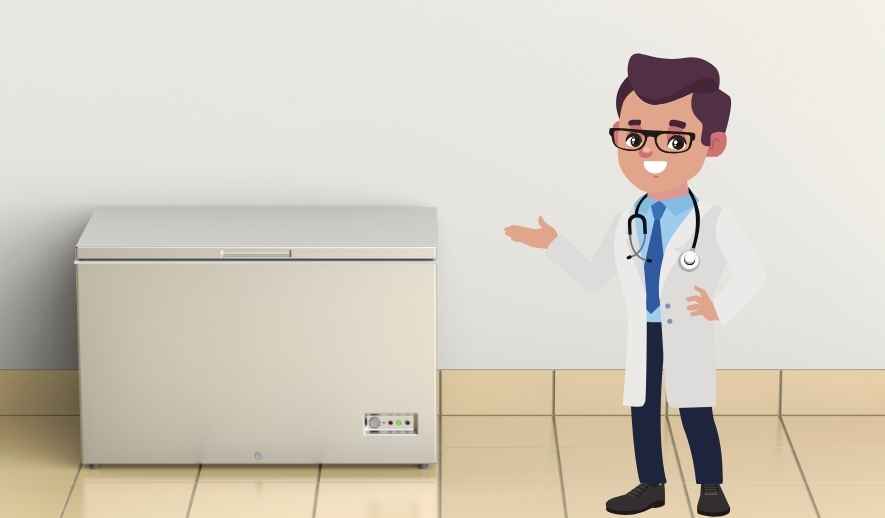

For decades, clinical programs managed student compliance with paper files, binders, and filing cabinets. Every immunization record, background check, and health certification existed as a physical document that had to be collected, stored, and retrieved by hand. As programs grow, this approach collapses under its own weight, which is why so many institutions are turning to student clinical documentation software.
The move away from paper is no longer a luxury reserved for large universities. It has become a practical necessity for any program that wants to scale without drowning in administrative work, protect sensitive student data, and stay prepared for accreditation at all times. Paper files are slow, fragile, and risky. Documents get lost, misfiled, or damaged, and confirming that a single student is fully compliant can mean digging through stacks of folders.
The Costs of Paper-Based Systems
Managing physical paperwork consumes far more resources than most programs realize. Staff spend hours collecting documents, organizing files, and manually checking expiration dates. Physical storage requires space, and sensitive student information sitting in a filing cabinet raises real privacy concerns that grow harder to ignore as records pile up.
Paper systems also make oversight nearly impossible. There is no easy way to see at a glance which students are compliant and which are missing requirements. Coordinators discover gaps only when they happen to review a file, often too late to prevent a delayed placement. Every hour spent shuffling paper is an hour not spent supporting students or strengthening clinical site relationships, and that hidden opportunity cost adds up quickly across a full academic year.
The biggest drawbacks of paper-based document management include:
- Lost or misfiled records that cannot be recovered
- Hours of manual collection, sorting, and verification
- No instant visibility into compliance status
- Privacy risks from physical storage of sensitive data
- Difficulty scaling as student numbers increase
How Digital Documentation Transforms the Process
A cloud-based system eliminates these problems by centralizing every document in one secure, online location. Students upload immunization records, background checks, certifications, and insurance documents directly to individual profiles. Automated verification confirms each document is valid before an educator reviews it, removing a major manual step and reducing the chance of human error.
Automated reminders track expiration dates and notify students when paperwork is nearing renewal. This proactive approach means coordinators no longer chase down expiring documents by phone or email, and students stay current without constant oversight or repeated reminders from busy staff. The system does the remembering, so nothing slips past a deadline simply because someone was too busy to follow up at the right moment.
Security and Compliance Built In
Strong digital platforms protect sensitive information through robust encryption and access controls, ensuring records stay confidential and aligned with HIPAA and FERPA expectations. Administrators decide who can access each document, adding an extra layer of protection that paper files cannot offer.
This security also supports audit readiness. When every record is verified, time-stamped, and stored in one place, programs can produce evidence of compliance instantly. Instead of assembling documentation under pressure, coordinators have a complete and accurate trail available whenever a reviewer asks for it, turning what was once a stressful scramble into a simple, confident response.
Perhaps the greatest advantage of going digital is how effortlessly it scales. A paper system that works for fifty students becomes unmanageable at five hundred, demanding more cabinets, more staff hours, and more opportunities for error. A cloud platform absorbs that growth without adding storage costs or administrative burden.
Whether a program is expanding into new locations or simply enrolling larger cohorts, a digital system handles the increased volume seamlessly. Coordinators manage more students with the same effort, and the quality of oversight never slips as the program grows. That kind of scalability turns expansion from a logistical headache into a manageable, even routine, process that supports growth instead of standing in its way.
Leave the Filing Cabinet Behind
Switching from paper to digital is one of the highest-impact upgrades a clinical program can make. Rotation Manager is the secure, patent-protected student clinical documentation software trusted to keep every record organized, verified, and accessible online. Reliable, scalable, and built for compliance, it is the best choice for programs ready to retire paper files for good.