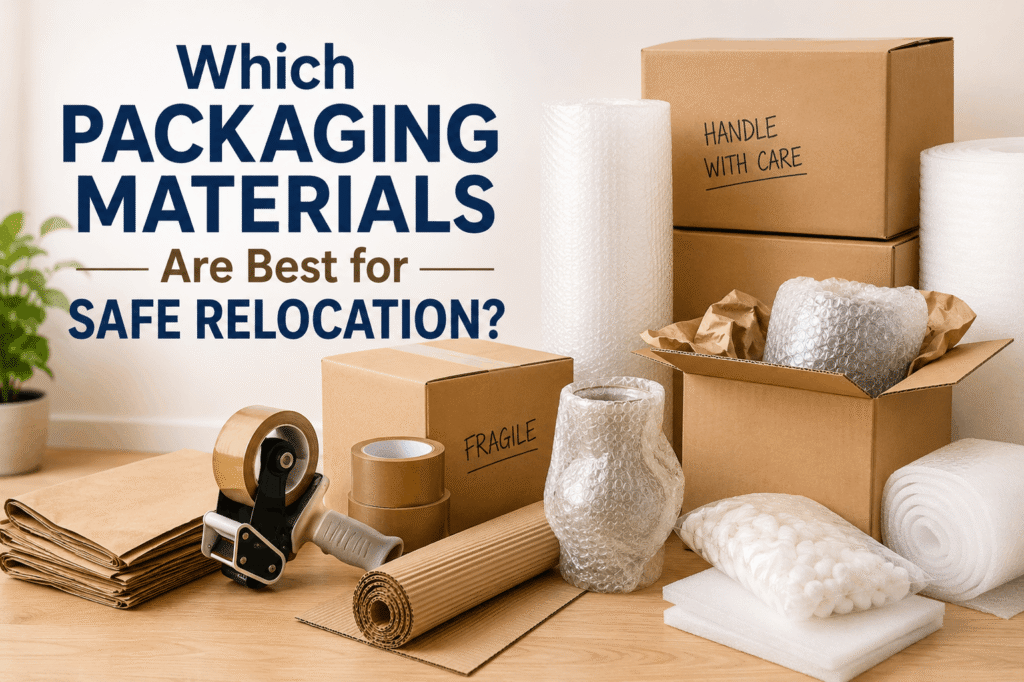
Moving to a new place is exciting, but packing for it rarely is. Most people begin with a clear plan, only to discover halfway through that the mugs don’t fit where they expected them to, the books have made one box far too heavy, and the tape has disappeared just when it’s needed most. That’s why choosing the right packaging supplies before you start makes such a difference. Good packaging isn’t about filling every gap with extra material. It’s about using the right product for the right item. When everything is packed properly, boxes are easier to carry, fragile belongings are less likely to break, and unpacking becomes far less stressful.
Why Does the Right Packaging Matter So Much?
Think about the journey your belongings take during a move. A carton might be carried downstairs, loaded into a van, stacked beneath heavier boxes, unloaded again and moved into temporary storage before it even reaches its final room. Every step increases the chance of damage if the packaging isn’t suitable.
One mistake people make is assuming every box can hold anything. It can’t. Fill a lightweight carton with books, and you’ll probably notice the bottom beginning to bend before you’ve even reached the front door. On the other hand, using an oversized, heavy-duty box for only a few cushions wastes space.
Good packaging helps you:
- Keep belongings protected from knocks and pressure.
- Make lifting safer and easier.
- Reduce unnecessary damage during transport.
- Stay organised while unpacking.
Which Packaging Materials Should You Pack First?
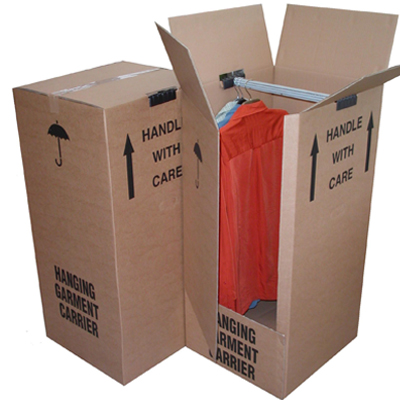
Wardrobe Boxes
If you’ve ever spent an evening ironing clothes after moving day, you’ll appreciate how useful wardrobe boxes are. Instead of folding suits, dresses and coats into suitcases, you transfer them from the wardrobe straight into the box while they’re still on their hangers.
When you arrive, unpacking is just as easy. Lift the clothes out and hang them in their new wardrobe. There’s very little sorting to do, and delicate fabrics stay in much better condition.
They’re ideal for:
- Business suits.
- Dresses and gowns.
- Winter coats.
- Delicate garments.
Bubble Wrap
Bubble wrap has earned its reputation because it works. Wrap a glass vase properly, and it can survive the bumps and vibrations that are almost impossible to avoid during a move. Skip that step, and even a short journey can end with a crack you didn’t expect.
It’s particularly useful for:
- Glassware.
- Ceramics.
- Picture frames.
- Small electrical items.
Packing Paper
Some belongings don’t need thick cushioning. Plates, ornaments and framed photographs often need a soft layer between them to stop surfaces rubbing together. Packing paper does that job well while also filling small spaces inside a carton to reduce movement during transport.
It works especially well for:
- Kitchenware.
- Decorative ornaments.
- Collectables.
- Everyday household items.
What Other Packaging Materials Should You Keep Ready?
Double Wall Boxes
If there’s one lesson most people learn after a move, it’s that not every box is built for heavy loads. Kitchen appliances, tool kits and stacks of books can quickly expose the difference between a standard carton and a stronger one. Double wall boxes have an extra layer of corrugated board, giving them the strength needed for heavier belongings without making them difficult to handle.
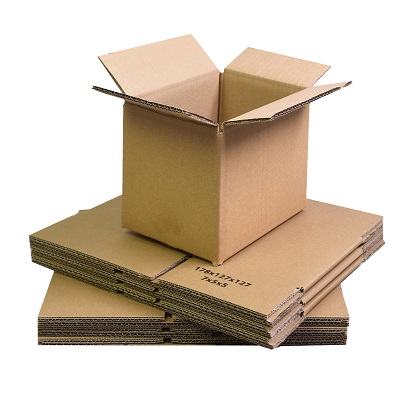
They are a practical choice for:
- Kitchen appliances.
- Boxes of books.
- Office equipment.
- Fragile home décor.
Book Wrap Boxes
Books often catch people by surprise. A handful feels light, but a full carton can become awkward to lift within minutes. Book wrap boxes help solve that problem by keeping books, albums, and important documents securely packed in boxes that fit them properly. Because the contents can’t move around as much, the edges are less likely to become bent or damaged.
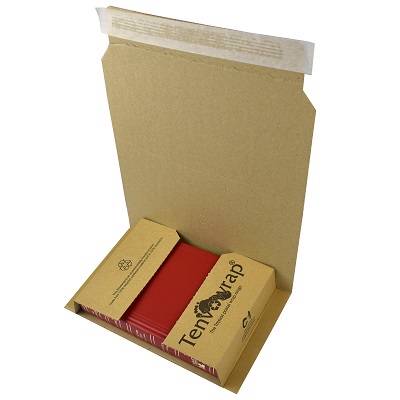
They’re particularly useful for:
- Books and novels.
- Family photo albums.
- Files and paperwork.
- Diaries and journals.
Cushioning and Packing Tape
Strong boxes alone won’t prevent damage if the contents are free to move around. Empty spaces inside a carton allow items to bump against each other whenever the vehicle turns or stops. Adding paper cushioning around delicate belongings keeps everything in place, while good-quality packing tape makes sure the box stays securely closed from the first lift to the final unpack.
Before sealing any carton, give it a gentle shake. If you hear items moving, add a little more cushioning. That simple check often prevents damage later.
Which Packaging Material Works Best?
| Packaging Material | Best Used For |
| Wardrobe Boxes | Hanging clothes |
| Bubble Wrap | Glassware and fragile items |
| Packing Paper | Wrapping household goods |
| Double Wall Boxes | Heavy belongings |
| Book Wrap Boxes | Books and documents |
| Paper Cushioning | Filling empty spaces |
| Packing Tape | Sealing cartons securely |
Conclusion
Relocation becomes much easier when you stop treating every item the same. Clothes, books, glassware, and electrical equipment all require different levels of protection, and choosing suitable packaging from the start saves time, money, and frustration later. Rather than rushing through the packing process, take a few extra minutes to match each item with the right material. You’ll spend less time worrying during the journey and far more time settling into your new place with everything arriving exactly as you packed it.
FAQs
1. Which box should you use for heavy household items?
Choose double wall boxes for extra strength when packing bulky or heavy belongings.
2. Are wardrobe boxes useful for short-distance moves?
Yes. They keep clothes hanging, reduce creases and make unpacking much quicker.
3. How can you stop fragile items from breaking?
Wrap each item separately, fill any space with cushioning, and avoid overloading the box.
4. Why should books be packed in smaller boxes?
Books become heavy very quickly, so smaller boxes are safer to carry and less likely to split.
5. What should you buy before you start packing?
Start with sturdy cartons, protective wrapping, cushioning materials and quality tape, so you have the right supplies for every room in your home.