Every damaged parcel tells a story, and more often than not, it starts at the packing bench rather than in the delivery van. A product can leave your warehouse in perfect condition but still arrive chipped, scratched, or broken if it isn’t properly protected. That’s why choosing the right protective packaging matters just as much as choosing the right box. The goal isn’t to use more materials. It’s to use the ones that actually suit the product you’re sending. A little thought before sealing the parcel can save returns, refunds and disappointed customers later.
Why Does Protective Packaging Matter?
Imagine sending a ceramic mug and a stack of notebooks in the same way. One would probably arrive safely. The other might not.
Every product reacts differently during transport. Parcels are stacked, loaded, shifted between vehicles and handled by several people before reaching the customer. That journey is rarely gentle.
Protective packaging works by reducing movement, softening impacts and preventing surfaces from rubbing against each other. When each product is packed according to its needs, the chances of damage drop significantly.
Types of Protective Packaging Materials
Bubble Wrap
There is a reason bubble wrap has been around for so long. It simply works.
Wrap a glass vase or a framed photograph with a couple of layers, and you immediately give it a better chance of surviving the journey. The bubbles absorb small impacts that might otherwise damage the product.
You’ll often see it used for:
- Glassware.
- Ceramics.
- Electronics.
- Home décor items.
Honeycomb Paper
Paper protection has come a long way in recent years.
Honeycomb paper expands around a product, creating a flexible layer that cushions it surprisingly well. It also gives parcels a smart presentation, which many online retailers appreciate when customers open their orders.
It works particularly well for:
- Candles.
- Bottles.
- Gift items.
- Decorative pieces.
Foam Sheets
Not every item needs thick cushioning. Some products need protection from scratches.
Foam sheets are often wrapped around polished, painted or delicate surfaces before the item goes into the box. It is a simple step, but one that prevents the sort of cosmetic damage customers notice immediately.
They’re commonly used for:
- Picture frames.
- Mirrors.
- Electronics.
- Gloss-finished products.
Brown Parcel Paper
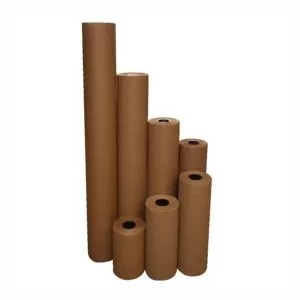
Sometimes the simplest packing material is still one of the most useful.
Brown parcel paper is regularly used to wrap products before boxing them or to fill small gaps inside a parcel. It gives light protection against surface marks while keeping the packing process neat and straightforward.
Many businesses like it because it:
- Wraps products quickly.
- Helps reduce scratches.
- Is easy to recycle.
- Creates a tidy presentation.
Air Cushion Pillows
If you’ve ever unpacked an online order, you’ve probably seen air cushions tucked around the product. They may look simple, but they do an important job.
Their main purpose is to stop products from sliding around inside the box. They’re especially useful for lightweight items because they protect without adding extra weight to the parcel.
They’re a practical choice for:
- Clothing accessories.
- Small electronics.
- Beauty products.
- Homeware items.
Book Wraps
Books are tougher than people think, but their corners are not.
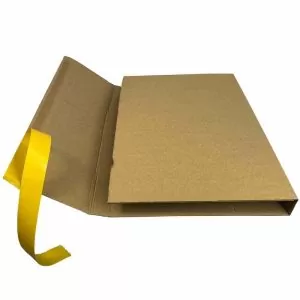
A novel with bent edges or a damaged cover rarely makes a good first impression. That’s why book wraps are designed to fit snugly around books and other flat products. Instead of leaving space, they hold everything firmly in place during the journey.
They’re ideal for:
- Books.
- Diaries.
- Catalogues.
- Printed artwork.
Parcel Wrap
Some products deserve an extra layer of protection before they even reach the box.
That’s where parcel wrap proves useful. It helps protect surfaces from dust, light scratches and minor scuffs while products are being packed, stored or transported. It also works well alongside other protective materials rather than replacing them.
You’ll often use it for:
- Gift items.
- Boxed products.
- Fragile accessories.
- Storage preparation.
Printed Tapes
Most people think tape is only for closing a box. In reality, it does much more than that.
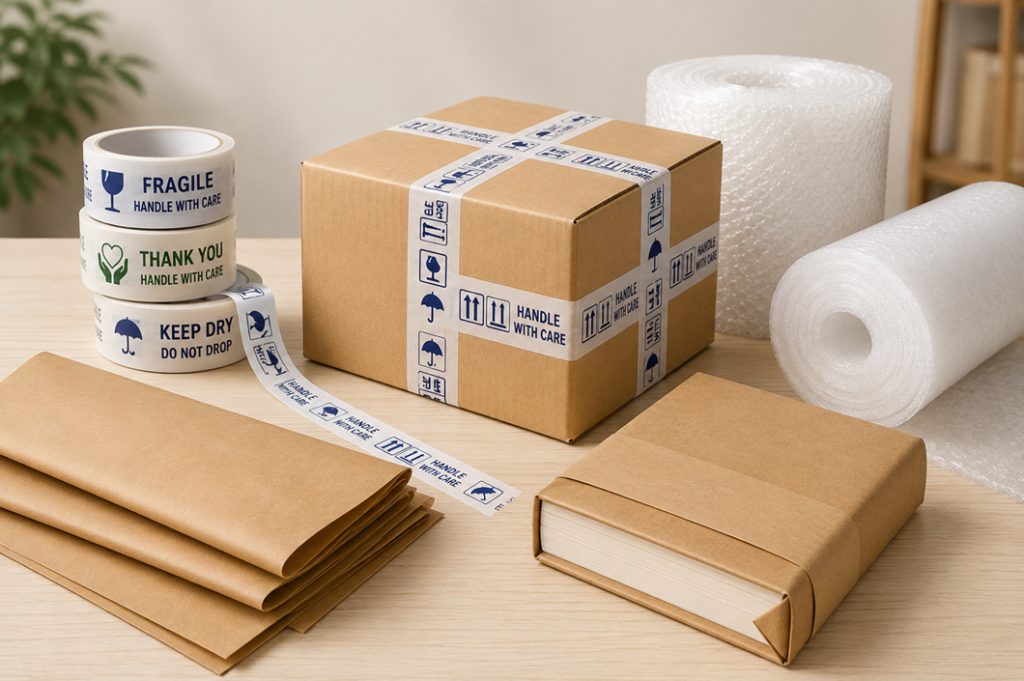
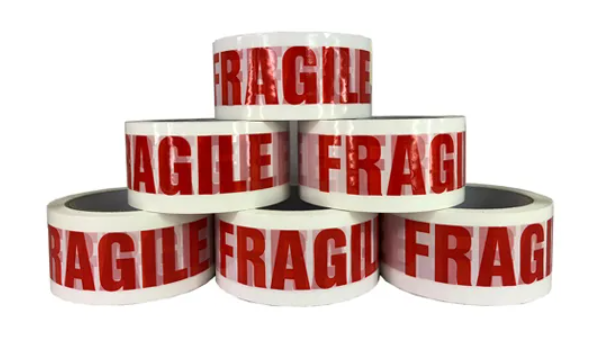
A strong seal keeps the parcel secure throughout its journey, while printed tapes can display handling instructions or make parcels easier to identify in a busy warehouse. It’s a small detail, but one that helps improve both security and presentation.
They’re useful because they:
- Create a reliable seal.
- Improve parcel identification.
- Add a professional finish.
- Help prevent accidental opening.
Which Material Should You Choose?
There isn’t a single answer because every product is different. A glass bottle needs cushioning, while a printed catalogue benefits more from edge protection. The safest parcels usually combine two or three protective materials instead of relying on just one.
| Product | Recommend Protection |
| Glassware | Bubble wrap + foam sheets |
| Books | Book wraps |
| Candles | Honeycomb paper |
| Electronics | Foam sheets + air cushions |
| Clothing | Brown parcel paper |
| Gift items | Honeycomb paper + parcel wrap |
Small Packing Decisions Make a Big Difference
A damaged delivery doesn’t just mean replacing a product. It often leads to extra emails, replacement orders and disappointed customers. Those costs add up far more quickly than most businesses expect.
The good news is that many of those problems are preventable. Choosing packaging that suits the product, filling empty spaces properly and sealing every parcel carefully all help reduce the chances of damage. It doesn’t take expensive materials. It simply takes the right combination.
Conclusion
There isn’t one protective material that works for everything, and that’s exactly the point. Every product has different packing needs. Bubble wrap protects fragile items, honeycomb paper cushions delicate gifts, foam sheets prevent scratches, and printed tapes keep parcels securely sealed. When you choose materials based on what you’re actually sending instead of packing every order the same way, deliveries arrive in better condition, customers are happier, and your packing process becomes far more efficient. Good packaging isn’t about using more—it is about using the right protection where it matters most.