
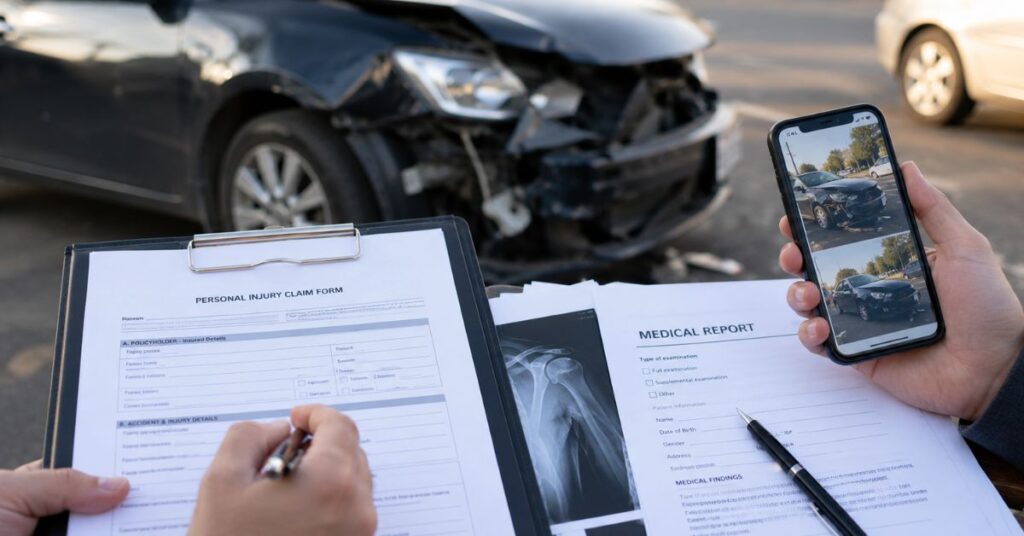
Securing a successful personal injury claim after a car accident relies heavily on the immediate actions you take at the scene and during the aftermath.
Navigating the injury compensation process requires a proactive approach, starting with gathering robust evidence and seeking immediate medical assessments.
Understanding how to handle insurance providers, document financial losses, and secure professional guidance can dramatically improve your chances of a fair settlement.
By following a structured approach, you ensure your rights remain fully protected under UK law. Taking the right steps early transforms a stressful situation into a manageable and successful legal journey.
1. Prioritise Immediate Medical Care and Gather Proof
Your health is the absolute most important priority immediately after any road traffic collision. Seeking immediate medical attention creates an official, dated NHS or private record of your physical condition.
This paperwork provides essential medical evidence for claims that insurance companies cannot easily dispute or ignore. Even if your injuries feel minor at first, conditions like whiplash often take hours to appear. Delaying a medical visit can give insurers an excuse to claim your injuries happened later.
2. Collect Robust Evidence at the Scene
The moments directly following a collision are vital for gathering fresh, undeniable proof. Take clear photographs of vehicle positions, road markings, weather conditions, and visible injuries.
Exchange names, contact details, and insurance information with all drivers involved in the incident. If anyone witnessed the event, ask for their statements and phone numbers to ensure strong accident claim support later on. Also, remember to check if any nearby businesses or dashcams captured the incident on video.
3. Avoid Common Pitfalls When Speaking to Insurers
Insurance companies frequently try to settle disputes quickly and for the lowest possible amount. Never admit fault or accept blame at the scene, even out of simple politeness.
When discussing the event, stick strictly to the facts and avoid speculating about who caused the crash. Securing professional legal injury assistance will protect you from making statements that might accidentally damage your case. Let your legal representative handle the complex conversations while you focus entirely on your physical recovery.
4. Track All Financial Losses and Expenses
A successful compensation package covers far more than just physical pain and suffering. Keep a detailed diary of every penny you spend due to the road collision.
Save your receipts for medical prescriptions, travel costs to hospital appointments, and private physiotherapy sessions. You can also claim for lost earnings if you need to take time off work. Presenting an organised log simplifies the calculations when negotiating a fair compensation settlement with the third party.
5. Use a Structured Checklist for Your Claim
Having a clear action plan helps you stay organised and ensures you never miss a vital step. Use this simple checklist to keep your case moving in the right direction:
- Report the collision to the police within 24 hours of the event.
- Obtain a copy of your official medical reports from the attending doctor.
- Keep a daily diary detailing your pain levels and recovery progress.
- Gather all itemised receipts for out-of-pocket expenses and travel costs.
- Request a formal letter from your employer confirming any lost wages.
Following these steps methodically will make making a personal injury claim after a car accident much smoother.
Conclusion
Navigating the legal aftermath of a road collision requires patience, organisation, and swift action. Gathering undeniable physical evidence and seeking immediate medical attention will form the solid foundation of your case.
Documenting every financial loss carefully ensures you receive the maximum payout possible for your hardships. Partnering with a qualified legal specialist helps you navigate the complex UK system with total confidence. Taking these proactive steps turns a challenging situation into a secure and successful personal injury claim after car accident payouts.
Our Posting Blog features in-depth articles designed to help readers make informed decisions and stay updated on industry trends.
FAQs
1. How long do I have to start a claim in the UK?
In the UK, you generally have three years from the date of the collision to start your case. Waiting too long can mean you lose your legal right to pursue financial damages entirely. Speaking to specialists early ensures you gather fresh evidence to support your personal injury claim after a car accident.
2. What counts as strong proof of my injuries?
Official records from an NHS hospital or a qualified GP provide the most reliable proof. These detailed documents offer the indispensable medical evidence for claims that insurers use to calculate payouts. Regular follow-up appointments also show that you are actively taking your physical recovery seriously.
3. How is the final payout amount calculated?
Your total payout is calculated by combining general damages for pain with special damages for financial losses. This comprehensive injury compensation process looks closely at your current and future care needs. An experienced solicitor will ensure no hidden costs are left out of your final figure.
4. Should I accept the first offer from an insurance company?
You should rarely accept the initial offer because it is usually far lower than what you actually deserve. Obtaining expert accident claim support helps you identify whether an offer truly covers all your long-term needs. A legal professional will negotiate firmly to secure a much more realistic amount for you.
5. Can I claim if the accident was partially my fault?
Yes, you can still seek damages even if you share some blame for the incident. Under UK law, your final compensation settlement will be reduced by your percentage of responsibility. This legal concept is known as contributory negligence and requires careful analysis by professionals.
6. What should I do if the other driver flees the scene?
You must report the hit-and-run incident to the police immediately to obtain a crime reference number. After that, you can still pursue a personal injury claim after a car accident through the Motor Insurers’ Bureau. This special organisation handles compensation for victims of untraced or uninsured motorists.
7. How long does the entire legal process take to finish?
Simple cases can be resolved within a few months, while complex disputes might take a couple of years. The overall duration of the injury compensation process depends on liability clarity and injury severity. Your solicitor will provide regular updates so you always know what to expect.
8. Do I need a lawyer to handle my case?
While it is not legally required, having a specialist handle your paperwork protects your interests. Choosing professional legal injury assistance gives you a distinct advantage when dealing with stubborn insurance companies. Your legal representative will manage the complex jargon while you rest and heal.
9. What expenses can I recover in my claim?
You can recover costs for vehicle repairs, medical treatment, alternative transport, and lost wages. Keeping your receipts safe makes it much easier to justify a higher compensation settlement during negotiations. Ensure you track every single expense, no matter how small it might seem.
10. Will I have to go to court for my claim?
The vast majority of road traffic claims are settled out of court through direct negotiations. Having strong accident claim support makes a courtroom trial highly unlikely for most everyday claimants. However, if the insurer refuses to be fair, your legal team will guide you through court actions.