
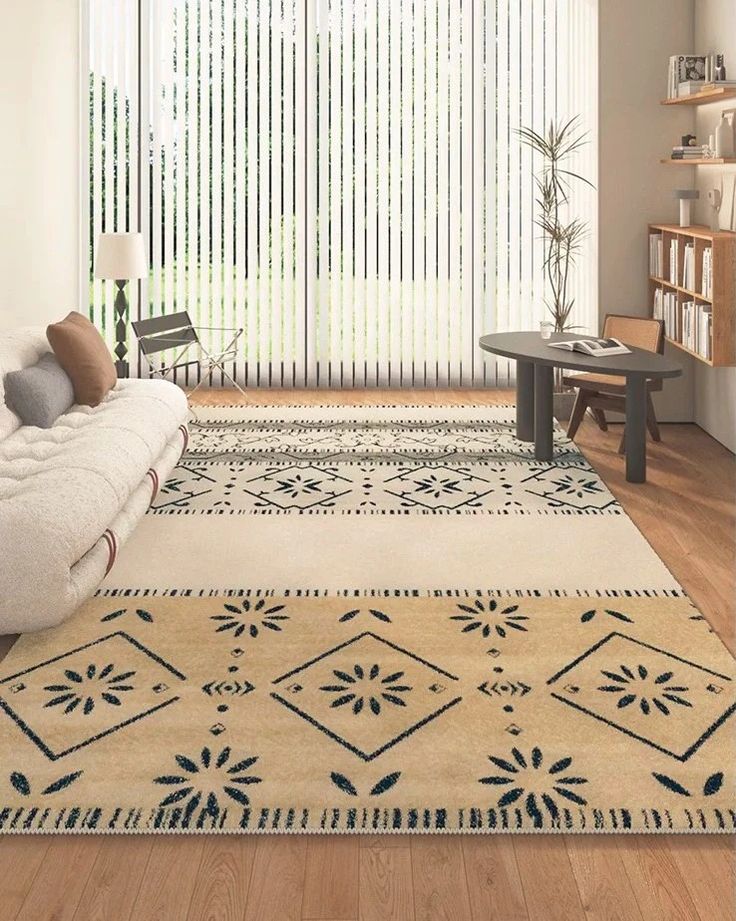
You’d think buying a rug would be the easy part of decorating a room. Then the rug arrives. Suddenly it either looks tiny and awkward or so oversized that it swallows the furniture whole.That happens more often than people admit.The truth is that most rug-buying mistakes start before anyone even looks at colors or patterns. They start with measurements. A rug can completely change how a room feels but only when the size works with the layout. And when people shop for large sizes like 12×15 area rugs they usually discover that a few inches matter more than expected.Here’s the good news. Measuring a room correctly is not complicated. But there are a few details that most guides skip and those details make all the difference.
The Size Mistake Almost Everyone Makes
A lot of people measure wall to wall and assume the rug should fill most of that space. Sounds logical. Usually wrong.Rugs are not carpeting. They should frame the room instead of covering every visible inch of flooring. Leaving some floor exposed around the edges helps the room breathe and keeps furniture from looking crowded.In most rooms you want between 12 and 24 inches of visible floor around the rug. Smaller rooms often look better with less exposed flooring while larger spaces can handle more.
For example:
- A 14×17 living room may work beautifully with 12×15 area rugs
- A smaller apartment living room may fit better with 8×10 area rugs
- Dining rooms need extra rug space beyond the table edges
- Bedrooms often require different rug placement depending on bed size
That’s why measuring only the room dimensions is never enough.You also have to measure the furniture layout.
Start With Furniture Placement First
Here’s the part nobody tells you upfront.The rug should connect the furniture. Not float underneath random pieces.Before measuring anything grab painter’s tape or masking tape and outline where the rug might sit on the floor. This instantly helps you visualize scale without guessing.In living rooms the front legs of sofas and chairs should usually sit on the rug. Fully floating rugs tend to make rooms feel disconnected and smaller.
A common setup looks like this:
- Sofa front legs on rug
- Accent chairs partially on rug
- Coffee table fully centered
- Rug extending beyond furniture edges evenly
In open-plan living rooms with hardwood floors this becomes even more important because rugs help define zones inside the larger space.
Honestly this one surprises people the most. They focus on matching colors first when layout has a much bigger impact on whether the room feels polished.
What Looks Balanced vs What Feels Cramped
A rug can technically fit in a room and still feel wrong.That usually happens when the proportions are off.Let’s say someone buys one of the larger 12×15 area rugs for a medium-sized room because they want a luxurious look. The problem is that oversized rugs can push furniture too close to walls making the space feel boxed in.On the other hand tiny rugs create the “postage stamp” effect where everything seems disconnected.
Here’s a better way to judge rug sizing:
| Room Type | Common Rug Placement |
| Living Room | Rug should anchor seating area |
| Dining Room | Chairs stay on rug even when pulled out |
| Bedroom | Rug extends beyond sides and foot of bed |
| Office | Desk and chair should stay mostly on rug |
The visual balance matters as much as exact measurements.
Sometimes leaving more visible flooring actually makes the room feel larger.
Don’t Ignore Door Swings and Walkways
This is where many measurements go wrong.People measure the center of the room but forget how people actually move through it.
Before buying any rug check:
- Door clearance
- Entry paths
- Sliding furniture
- Dining chair movement
- Office chair rolling space
A thick rug under a door can stop it from opening smoothly. Dining chairs can snag at rug edges every single day. And rugs placed in heavy walkways can curl or shift faster.It sounds small until you live with it.If your room has multiple entrances make sure the rug placement supports natural movement instead of interrupting it. In tighter layouts smaller sizes like 8×10 area rugs sometimes work better because they preserve walking space while still grounding the room visually.That tradeoff matters more than most people expect.
The Tape Trick Interior Designers Use
You don’t need expensive software or design tools.Painter’s tape works incredibly well.Outline the rug dimensions directly on the floor using exact measurements. Then walk around the room normally for a day or two. Sit on the furniture. Pull out dining chairs. Open doors.You’ll notice problems immediately.Maybe the rug edge cuts too close to a hallway. Maybe the coffee table feels crowded. Maybe the room suddenly looks much smaller than expected.And yes. It also helps when deciding between two sizes.Sometimes people assume they need huge 12×15 area rugs until they tape the layout and realize an 11×14 or even an 8×10 area rugs option creates better balance.The room usually tells you the answer once you can actually see the dimensions.
Rug Shape Changes the Entire Feel
Not every room needs a rectangle.That’s another misconception.Rectangular rugs are common because most rooms are rectangular. But certain layouts feel more natural with round or runner-style rugs especially in awkward spaces.
Examples:
- Round rugs soften square breakfast nooks
- Runners work well beside beds
- Oval rugs help smaller dining areas feel less rigid
- Layered rugs add depth in open spaces
Still rectangle rugs remain the easiest to measure because furniture placement tends to align naturally with straight edges.If you’re buying large statement rugs especially 12×15 area rugs the shape becomes even more noticeable because it influences the visual flow of the entire room.A poor shape choice can make even a correctly sized rug feel off.
Stop Measuring Only Once
Most people measure quickly and order immediately.Bad idea.Measure twice. Then check again after furniture shifts.A few inches can change everything especially with larger rugs. Furniture legs may extend farther than expected. Baseboards may reduce usable floor space slightly. Sectional sofas can throw off symmetry.And if you are shopping online remember that rug dimensions sometimes vary slightly depending on manufacturing.
Here’s a smart approach:
- Measure room dimensions
- Measure furniture footprint
- Tape rug layout
- Recheck walking space
- Confirm door clearance
- Compare at least two rug sizes
It takes maybe 20 extra minutes.That effort can save hundreds of dollars and a frustrating return process.
Why Bigger Isn’t Always Better
There’s this idea that oversized rugs automatically look more luxurious.Sometimes true. Not always.Large rugs absolutely create a grounded designer-style look when the room supports them. That’s why 12×15 area rugs are popular in spacious living rooms and open-concept homes. They create continuity and make furniture groupings feel intentional.
But oversized rugs can overwhelm compact spaces surprisingly fast.Smaller rooms often benefit from a more controlled footprint. That’s where 8×10 area rugs shine because they define the seating area without visually shrinking the room.This depends heavily on your furniture arrangement and flooring type so there’s no universal answer.And honestly that’s why measuring matters so much more than following generic rug charts online.
One Final Thought Before You Buy
A rug changes how a room feels emotionally more than people expect. The right size makes a space feel calm connected and intentional. The wrong size creates low-level visual tension every single day even if you can’t immediately explain why.So slow down before ordering.
Tape the layout. Walk through the room. Look at the spacing from different angles. Those few extra minutes usually lead to much better decisions and far fewer regrets later.Because once the measurements feel right everything else becomes easier.
FAQs
How far should a rug extend past a sofa?
Usually at least 6 to 12 inches on each side looks balanced. In larger rooms the rug can extend farther especially when using bigger layouts like 12×15 area rugs.
Can an area rug be too big for a room?
Absolutely. If the rug pushes furniture against walls or removes too much visible flooring the room can feel cramped instead of cozy.
Are 8×10 rugs too small for living rooms?
Not necessarily. 8×10 area rugs work well in apartments smaller living rooms and spaces where furniture sits partially on the rug rather than fully inside the rug area.
Should all furniture legs sit on the rug?
Not always. Most designers recommend at least the front legs on the rug for a connected look. Fully floating furniture can make the layout feel disconnected.
Do I need to measure if I already know my room size?
Yes because furniture layout matters just as much as room dimensions. Two rooms with identical sizes can require completely different rug measurements depending on placement and traffic flow.