
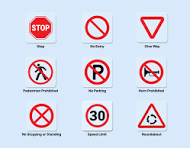
Road safety remains a significant concern in public spaces, commercial areas, and on busy roads with constant vehicle traffic. Poor traffic control often increases the risk of accidents involving both pedestrians and drivers. Safety systems that separate vehicles from people help reduce these risks and improve movement in crowded areas. A traffic barrier supports safer roads by controlling vehicle flow, reducing collisions, and creating protected spaces for pedestrians.
How Traffic Barriers Improve Driver Safety?
Traffic barriers help drivers stay within marked lanes and reduce the risk of vehicles crossing into opposing traffic. This protection is especially important on highways, flyovers, and roads with sharp turns, where accidents can cause serious damage.
Barriers also improve traffic flow in busy areas. Drivers can move more safely when roads include clear lane separation and controlled vehicle movement. Reflective surfaces on barriers further improve visibility during poor weather and at night.
A properly installed traffic barrier also lowers the impact of accidents by preventing vehicles from leaving the road or entering restricted areas. This additional control supports safer driving conditions in high-traffic environments.
How Traffic Barriers Protect Pedestrians
Pedestrians face greater risks near roads, parking areas, schools, and commercial spaces where vehicles move regularly. Traffic barriers create a physical separation between vehicles and walking areas, helping people move more safely.
Barriers also help control crowds in busy public locations. Schools, railway stations, shopping centres, and event venues often use barriers to guide pedestrian movement and reduce unsafe road crossings.
Construction and maintenance areas also depend on barriers to protect workers and nearby pedestrians from moving traffic. These systems improve safety while allowing repair work to continue without major disruption.
Common Places Where Traffic Barriers Are Used
Traffic barriers are used in different environments where traffic control and public protection are necessary, such as:
- Highways and Flyovers: Strong barriers reduce the risk of vehicles crossing lanes or leaving elevated roads.
- Construction Zones: Temporary barriers separate traffic from ongoing repair and maintenance work.
- Parking Facilities: Barriers guide vehicles and support safer movement in limited spaces.
- Commercial Properties: Controlled vehicle access improves safety in busy public areas.
- Public Venues: Barriers help manage large crowds and reduce the risk of accidents during events.
These installations improve safety and support smoother movement for both vehicles and pedestrians.
Choosing the Right Traffic Barrier for Different Areas
Different locations require barriers based on traffic conditions, safety needs, and installation type. Important factors usually include:
- Permanent Barriers: Suitable for highways and high-risk roads because they provide long-term protection.
- Portable Barriers: Useful for temporary traffic control during road repairs and public events.
- Visibility Features: Reflective materials improve driver awareness during low-light conditions.
- Additional Safety Measures: Proper lighting and road safety signs improve traffic control and public safety.
Regular inspection and proper installation help barriers perform effectively for longer periods.
Conclusion
Traffic barriers play an important role in improving safety for both drivers and pedestrians in busy environments. They help control vehicle movement, reduce the risk of accidents, and create safer public spaces. Proper installation, visibility, and regular maintenance ensure barriers continue to support effective traffic management and long-term road safety across different locations.