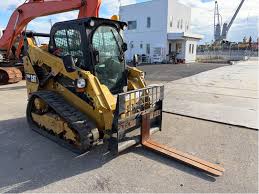
Construction, landscaping, farming, and property maintenance projects often require compact and powerful machinery to complete important tasks. One of the most useful machines for these jobs is a skid steer. These machines are popular because they are flexible, easy to maneuver, and capable of handling different types of work. Many businesses and individuals use skid steer rental services instead of purchasing equipment because renting is often more affordable and practical.
Although renting equipment can save money and improve project efficiency, many people make mistakes during the rental process. These mistakes may lead to delays, safety problems, equipment damage, or unnecessary expenses. Understanding the common errors people make can help users get better results from their rental experience.
Skid steers are powerful machines that require proper planning, safe operation, and correct equipment selection. Beginners sometimes choose the wrong machine size, ignore safety rules, or fail to inspect the equipment properly before use. Even experienced operators can face problems if they rush through the rental process.
Learning how to avoid common skid steer rental mistakes can help businesses complete projects faster, improve safety, and reduce overall costs. Proper planning and responsible equipment use are important for successful operations.
Important Mistakes People Make with Skid Steer Rental Services
Many rental problems happen because users fail to prepare properly before starting a project. Understanding these mistakes helps reduce risks and improve project performance.
Choosing the Wrong Machine Size
One of the most common mistakes is selecting equipment that does not match the project requirements. Some people rent machines that are too small for heavy work, while others choose oversized equipment for simple tasks.
A machine that is too small may struggle to complete the job efficiently. An oversized skid steer may increase fuel costs, reduce maneuverability, and create safety concerns in smaller work areas.
Choosing the correct skid steer rental option based on project size and workload improves productivity and reduces unnecessary problems.
Ignoring Attachment Compatibility
Skid steers are often used with different attachments such as buckets, forks, augers, and trenchers. Some users forget to confirm whether the attachments are compatible with the machine they are renting.
Using incorrect attachments may reduce performance or damage the equipment. Before selecting a skid steer rental service, users should confirm that the machine supports the attachments required for the project.
Failing to Inspect Equipment Before Use
Some renters begin using machinery without checking its condition first. This can create serious problems if the machine already has hidden damage or mechanical issues.
Inspecting the skid steer before operation helps identify leaks, damaged tires, worn parts, or safety concerns. Reporting problems early also helps avoid disputes later about equipment damage.
Not Understanding Machine Controls
Skid steers may appear simple to operate, but they require proper knowledge and training. Some users begin operating the machine without fully understanding the controls or safety procedures.
Poor operation can lead to accidents, damaged property, or injuries. Before using a skid steer rental machine, operators should learn basic controls and safe operating techniques.
Overloading the Machine
Every skid steer has lifting and weight limits. Exceeding these limits may create dangerous conditions and damage the machine.
Overloading can reduce stability and increase the risk of tipping. Users should always follow recommended load capacities during operation.
Ignoring Ground Conditions
Ground conditions play an important role in safe equipment operation. Soft mud, steep slopes, wet surfaces, or loose gravel can affect machine stability.
Some renters fail to evaluate the work area before operating the skid steer. Understanding surface conditions helps improve safety and reduces the chance of accidents.
Poor Project Planning
Renting machinery without a clear project plan can increase costs and create delays. Some people rent equipment for too little time, while others keep it longer than necessary.
Careful planning helps users estimate project timelines more accurately and avoid unnecessary skid steer rental expenses.
Forgetting Safety Equipment
Personal protective equipment is important when operating heavy machinery. Some users neglect safety gear such as helmets, gloves, boots, and eye protection.
Proper safety equipment helps reduce injury risks and supports safer working conditions.
Skipping Maintenance Checks During Use
Even rental equipment requires basic daily checks during operation. Ignoring fluid levels, tire pressure, or warning lights may lead to equipment failure.
Regular inspections help keep the skid steer working properly throughout the project.
How to Use Skid Steer Rental Services More Effectively
Avoiding mistakes is only one part of successful equipment use. Following smart operating practices also improves project results and equipment safety.
Understand the Project Requirements Clearly
Before choosing equipment, users should fully understand what the project requires. Different tasks need different machine sizes and attachments.
A clear understanding of project goals helps users select the most suitable skid steer rental option.
Ask Questions Before Renting
Many beginners hesitate to ask questions about equipment features, controls, or rental terms. However, asking questions helps prevent misunderstandings later.
Understanding rental policies, operating instructions, and machine capabilities improves the overall rental experience.
Choose the Right Attachments
Attachments help skid steers perform different types of work more efficiently. Selecting the proper attachment improves productivity and reduces manual labor.
Users should match attachments carefully to the specific tasks they need to complete.
Learn Safe Operating Practices
Safety should always come first when operating heavy machinery. Operators should drive carefully, avoid sudden movements, and maintain good visibility during operation.
Proper training and careful operation help reduce accidents and equipment damage.
Keep the Work Area Organized
Cluttered work areas increase safety risks and make machine operation more difficult. Loose materials, debris, and obstacles may interfere with movement.
Keeping the work site organized helps improve efficiency and supports safer skid steer rental operations.
Monitor Fuel Usage
Some users forget to track fuel levels during operation. Running out of fuel may interrupt work and delay project completion.
Monitoring fuel usage helps maintain smooth daily operations and prevents unnecessary downtime.
Avoid Driving Too Fast
Skid steers are powerful machines, but driving too quickly can reduce control and increase accident risks. Fast movement on uneven surfaces may cause tipping or collisions.
Operators should maintain controlled speeds and drive carefully throughout the project.
Pay Attention to Weather Conditions
Rain, snow, or extreme heat may affect machine performance and ground stability. Poor weather conditions can increase safety risks during operation.
Users should monitor weather conditions and adjust work schedules when necessary.
Return Equipment on Time
Late equipment returns may result in extra charges and scheduling problems. Some users underestimate how long cleanup and transportation may take.
Planning ahead helps ensure the skid steer rental equipment is returned on time and in good condition.
Importance of Proper Communication
Good communication between workers and machine operators improves safety and project coordination. Team members should understand work plans and equipment movement areas clearly.
Clear communication reduces confusion and helps prevent workplace accidents.
Understanding Rental Agreements
Rental agreements contain important information about responsibilities, operating conditions, and damage policies. Some users fail to read these details carefully.
Understanding the rental terms helps avoid unexpected costs and misunderstandings.
Supporting Better Productivity
Using the right machine properly helps projects move faster and more efficiently. Good planning and careful operation improve productivity and reduce delays.
Skid steer rental services support many industries by providing flexible access to useful equipment.
Reducing Long Term Costs
Equipment damage, poor planning, and unsafe operation can increase project costs significantly. Avoiding common mistakes helps reduce repair expenses and project delays.
Responsible equipment use improves financial efficiency and project success.
Benefits of Rental Flexibility
Rental services allow businesses to access machinery only when needed. This helps reduce ownership costs and maintenance responsibilities.
Skid steer rental solutions provide flexibility for both small and large projects.
Adapting to Different Project Types
Skid steers are used in construction, landscaping, agriculture, road work, and property maintenance. Their flexibility makes them valuable for many different industries.
Choosing the right machine setup helps users adapt to changing project demands more effectively.
Importance of Responsible Equipment Use
Heavy machinery should always be treated responsibly. Careless operation can damage equipment, harm workers, and create costly delays.
Safe and responsible skid steer rental practices help protect both workers and project investments.
Conclusion
Skid steer rental services provide a practical and cost effective solution for construction, landscaping, farming, and many other industries. These machines help improve productivity, reduce manual labor, and complete projects more efficiently.