
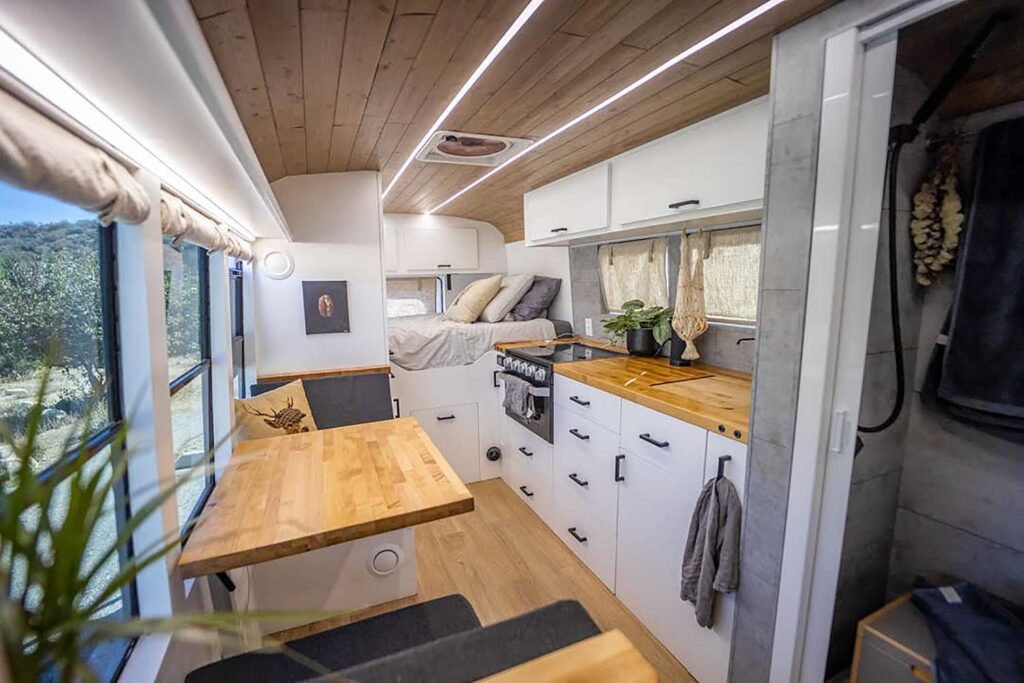
A comfortable home on wheels starts with control over water and temperature. Many builders focus on layout, furniture, and design before thinking about insulation. This often leads to moisture problems later. A well planned skoolie bus conversion begins with sealing the structure before any decorative work starts.
Metal buses react quickly to outside conditions. Heat builds during the day and cool air settles at night. This constant shift creates condensation inside walls and ceilings. Over time, trapped moisture damages flooring, rusts metal surfaces, and causes mold growth. Proper sealing protects both the vehicle and the people living inside it.
Experienced converters often share stories of rebuilding sections because early sealing was skipped. Learning from those experiences saves time, money,
and effort. The goal is simple. Stop water before it enters and manage moisture that forms inside.
Choosing Insulation That Works on the Road
Not all insulation materials perform well inside a moving vehicle. Traditional home insulation does not always handle vibration or temperature swings. Builders should choose materials that resist moisture and maintain shape during travel.
Rigid foam boards remain popular because they provide strong thermal resistance while staying lightweight. Spray foam works well for filling curved panels and small gaps. Wool insulation offers natural moisture control and sound reduction. Reflective barriers help reduce radiant heat during summer travel.
The key is balance. Insulation must regulate temperature without trapping water vapor. Every material choice should support airflow and durability. Many successful projects show that combining insulation types often delivers the best results. Careful planning during this stage makes daily living far more comfortable later.
Sealing Every Gap for Long Term Protection
Water rarely enters through large openings. Most leaks begin at small seams, rivets, windows, or roof fixtures. Careful sealing transforms a basic vehicle into a reliable living space. Builders should inspect every joint before installing walls or cabinets.
Start by removing old sealants that may have cracked over time. Clean surfaces thoroughly so new sealants bond properly. High quality automotive sealant works best because it expands and contracts with temperature changes. Roof vents, solar cable entries, and window frames require extra attention.
Many conversion stories highlight how early sealing decisions prevented costly repairs years later. A sealed shell provides peace of mind during heavy rain or humid climates. When builders treat sealing as a priority rather than an afterthought, the entire project benefits.
Managing Ventilation and Interior Moisture
Insulation alone cannot control moisture. Ventilation plays an equally important role. Cooking, breathing, and showering all release water vapor into the air. Without airflow, condensation forms quickly on cold surfaces.
Roof fans and adjustable vents help maintain steady air exchange. Opening windows on opposite sides creates natural airflow while parked. Some builders install small circulation fans behind cabinets or under beds to prevent hidden moisture buildup.
Temperature control also improves comfort during travel. Proper airflow reduces odors and keeps interior air fresh. Many experienced travelers emphasize that ventilation decisions affect daily life more than almost any design feature. A dry environment supports healthier living and protects interior materials.
Learning from Shared Conversion Experiences
One of the strongest resources available to builders is the shared knowledge of the conversion community. Thousands of enthusiasts document their builds, challenges, and solutions. These stories offer real lessons that go beyond instruction manuals.
Conversion stories show creative ways people turned buses, vans, trucks, and trailers into practical homes. Photos reveal how insulation layers were installed and how sealing techniques evolved over time. Reading about real journeys helps new builders avoid common mistakes.
Community discussions also provide quick answers when unexpected problems appear. Experienced builders often respond with tested solutions based on years of hands-on work. This shared learning environment makes even complex projects feel achievable. Guidance from seasoned converters helps transform ideas into successful builds.
The Bottom Line
A watertight vehicle creates the foundation for safe and enjoyable travel. Proper insulation, careful sealing, and smart ventilation work together to protect the structure and improve everyday comfort. Builders who prioritize these steps early experience fewer repairs and greater confidence on the road.
Reliable guidance makes the process easier. Access to detailed articles, conversion stories, maintenance advice, and active community discussions gives builders the tools they need to succeed. Decades of shared experience continue to help enthusiasts design smarter living spaces and travel with peace of mind.Anyone planning a skoolie bus conversion can benefit from proven techniques and real world insights gathered over many years of supporting the RV and bus conversion community. With the right knowledge and practical tips, turning a vehicle into a durable home on wheels becomes a rewarding and achievable journey. Happy reading and happy converting.