
If your dentist has recommended a dental crown, one of the first questions you probably have is: will it hurt? It’s a completely understandable concern. The idea of having a tooth drilled and capped sounds intimidating. But the reality is far less frightening than most people expect. Here’s an honest, informative look at what the procedure actually involves and what patients really feel — before, during, and after.
What Is a Dental Crown?
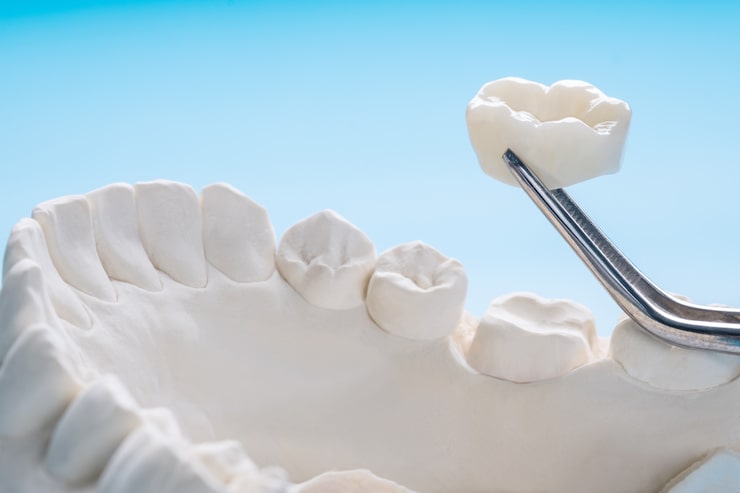
A dental crown is a tooth-shaped cap that is placed over a damaged, decayed, or weakened tooth to restore its shape, size, strength, and appearance. Crowns are one of the most commonly performed restorative procedures in dentistry. They are used after root canals, to protect cracked teeth, to cover large fillings, or to anchor a dental bridge.
If you are looking for quality care in the area, many patients seeking a Dental Crown & Dental Bridge in Surprise, AZ find that modern techniques have made the entire process significantly more comfortable than they anticipated.
The Procedure: Step by Step
Getting a dental crown typically takes two appointments. During the first visit, your dentist will numb the area around the tooth using a local anesthetic. This is the part many patients dread most — but the injection itself is usually brief, and most people feel only a mild pinch or pressure. Once the anesthetic takes effect, you should feel no pain at all.
The dentist then reshapes the tooth to make room for the crown, takes an impression, and places a temporary crown to protect the tooth while a permanent one is made in a dental lab. At the second appointment, the temporary crown is removed and the permanent crown is cemented into place.
During the Procedure: What You Will Actually Feel
With proper local anesthesia, the crown preparation process is largely painless. Most patients report feeling:
• Pressure or vibration from the dental drill — but not pain
• A slight tugging sensation when impressions are taken
• Mild discomfort when the injection is first administered
• A slightly strange taste from the impression material or dental cement
If at any point during the procedure you feel sharp pain, it is important to tell your dentist immediately. This is a signal that more anesthetic may be needed. Dentists always want patients to be comfortable, so do not hesitate to speak up.
After the Procedure: Recovery and Sensitivity
Once the anesthetic wears off, it is normal to experience some mild soreness or sensitivity around the treated tooth. This typically lasts a few days and can be managed easily with over-the-counter pain relievers such as ibuprofen or acetaminophen. You may also notice:
• Sensitivity to hot or cold temperatures
• Slight gum tenderness around the base of the crown
• Minor discomfort when biting down, especially in the first few days
These symptoms are entirely normal and should fade within one to two weeks. If pain persists or worsens after that period, contact your dentist, as it could indicate that the crown needs a minor adjustment.
Dental Crowns and Dental Bridges: What Is the Difference?
While crowns restore a single tooth, dental bridges are used to replace one or more missing teeth. A bridge consists of two crowns placed on the teeth on either side of a gap, with an artificial tooth (or teeth) anchored in between. The procedure for a bridge is similar to that of a crown — numbing the area, reshaping the anchor teeth, and taking impressions.
Patients considering a Dental Crown & Dental Bridge in Surprise, AZ will be pleased to know that both procedures are performed under local anesthesia, making them comfortable and well-tolerated by the vast majority of patients. Modern dental materials and techniques have come a long way, and experienced dentists are skilled at minimizing discomfort throughout.
Tips to Prepare and Stay Comfortable
• Inform your dentist about any dental anxiety beforehand — they can offer solutions like nitrous oxide sedation
• Take an over-the-counter pain reliever about an hour before your appointment if you are prone to post-procedure soreness
• Eat a light meal beforehand, since your mouth may be numb for a few hours afterward
• Avoid very hot, cold, or sticky foods for the first 24 to 48 hours after the procedure
Final Thoughts
Getting a dental crown is one of the most routine procedures in restorative dentistry. Thanks to modern local anesthetics and skilled dental professionals, the procedure is far more comfortable than most patients expect. Any post-treatment sensitivity is temporary and easily managed.
If you have been putting off a recommended crown out of fear, you can put your mind at ease. And if you are in the area and need trusted, comfortable care, finding a reliable provider for a Dental Crown & Dental Bridge in Surprise, AZ is the first step toward a healthier, pain-free smile. Do not let anxiety stand in the way of the dental care you deserve.