
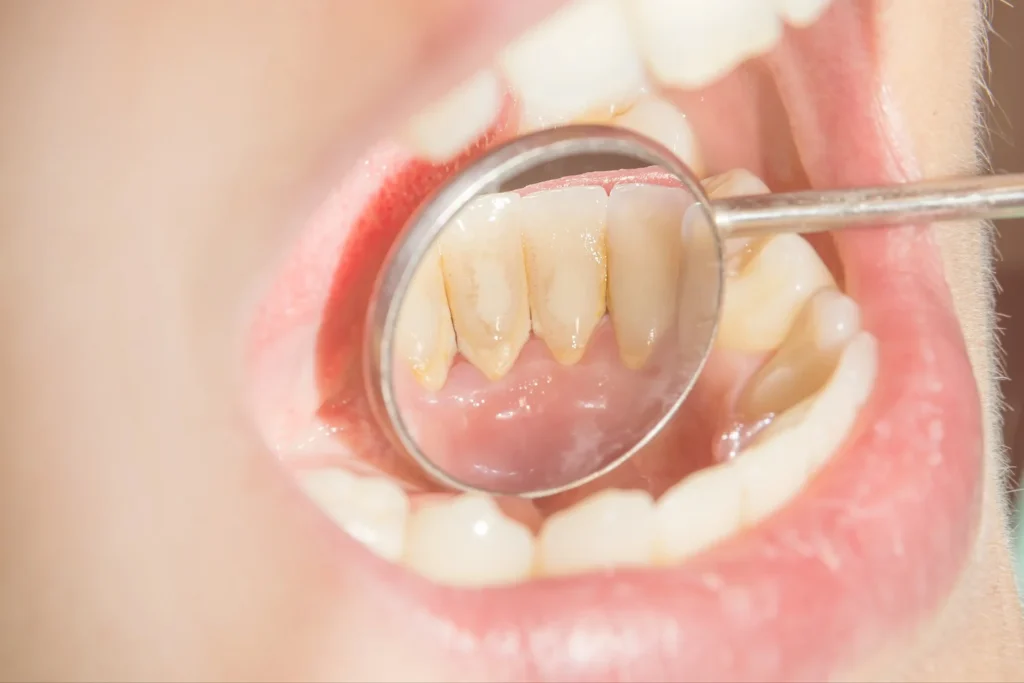
When tartar comes off your tooth, the moment can feel oddly satisfying and alarming at the same time. You may see a hard yellowish or brownish piece in the sink and wonder whether it was tartar, enamel, or even part of the tooth. The most likely answer is tartar if the piece felt hard and looked like a crusty deposit. Tartar is hardened plaque, and once it forms, it usually needs a dental professional to remove it.
That said, the bigger question is not only “what fell off?” The bigger question is “what does that say about my oral health?” Because if tartar comes off your tooth, it usually means buildup has been there long enough to harden significantly.
If you are in Houston, TX, think of this as a warning signal, not a cleanup success story.
It may expose what was hidden
One of the most surprising things after tartar comes off your tooth is how different the area can feel. The tooth may suddenly feel smoother in one place but rough in another. You may notice a space between teeth that seems new. In many cases, the tartar was covering or bridging that space. Gum disease can also contribute to changes in how teeth and gums fit together over time.
This is why some people panic and think the tooth is shrinking or breaking. Often, the actual tooth is simply being revealed after the tartar detached. If that buildup had been especially heavy around the gumline or tartar breaking off the back of teeth, the difference can feel dramatic.
It can be a sign of long-term plaque buildup
To understand this better, it helps to answer whats tartar on teeth in simple terms. Plaque is a soft bacterial film that forms constantly. If it is not removed well enough, it mineralizes into tartar. That means the presence of tartar is a sign that plaque sat there long enough to harden.
This usually points to one or more issues: hard-to-clean areas, inconsistent flossing, missed brushing spots, crowded teeth, or a tendency to build tartar faster than average. It is not always about poor effort. Some people naturally build tartar more quickly. But once it forms, home care alone usually cannot undo it.
Why the back of teeth matters so much
A lot of buildup forms on the tongue side of lower front teeth. That is why tartar breaking off the back of teeth is such a common complaint. Saliva glands in that area can help minerals collect there more easily, and the spot is easy to miss during brushing. Cleveland Clinic notes tartar often forms above and below the gumline and can show up in harder-to-clean places.
If you only notice tartar in that one area, it still matters. Gum irritation in one neglected zone can affect the whole mouth over time.
The gums may have been under stress already
When tartar comes off your tooth, the gums around that tooth may already be inflamed. Tartar creates a rough surface that holds more bacteria. That can lead to bleeding gums, tenderness, bad breath, and in more advanced cases, periodontitis. Mayo Clinic explains that tartar creates a shield for bacteria and irritates the gumline, while professional cleaning is needed to remove it.
So even if you are not in pain, the mouth may still be dealing with silent inflammation. That is one reason a dental check is a good idea after noticing tartar breaking off teeth.
What not to assume
Do not assume the problem fixed itself. Do not assume all the tartar is gone. And do not assume the remaining deposits are safe to leave alone. If one piece came off, there may still be tartar above or below the gumline. Deep tartar below the gumline may require scaling and root planing, which is a deeper cleaning used when gum disease is present.
Also, do not assume every hard fragment is harmless. If the area feels sharply sensitive or painful afterward, there may be root exposure, gum recession, or another dental issue that was hidden before.
What to do next at home
Keep the area clean but stay gentle. Brush twice daily with a soft toothbrush and fluoride toothpaste. Clean between teeth every day. These are standard oral care basics recommended by the ADA and Mayo Clinic.
Avoid trying to chip away more tartar yourself. Metal tools, pins, and aggressive scraping can injure the gums and scratch enamel. Even if you feel like you can remove more, that is not the safest way. Professional tools and proper visibility matter.
Drink water regularly and watch the area for gum bleeding, swelling, foul taste, or looseness. If those appear, get checked sooner.
When you should book an appointment
If tartar comes off your tooth, a dental visit is wise even if nothing hurts. A cleaning can remove what remains and give you a clear picture of whether your gums are inflamed. During a professional cleaning, plaque and tartar are removed from the tooth surfaces.
In Houston, TX, this is a good reason to book with a Family Dentist Houston patients trust for preventive care. If the area is painful, the gums are swollen, or the tooth feels loose, you may need Emergency Dental Care in Houston instead of waiting for a routine visit.
How dentists usually handle it
At the appointment, the dentist or hygienist may examine the gums, measure pocket depth, and clean away tartar left on the teeth. If the buildup is deeper near the roots, a deep cleaning may be recommended. Scaling removes tartar and plaque above and below the gumline, while root planing smooths the root surfaces.
They may also show you where the buildup tends to return. That part matters because recurring tartar breaking off teeth often points to a pattern, not a one-time accident.
The long-term lesson
The real lesson is not just that tartar can come loose. The real lesson is that hardened plaque is already a sign that daily cleaning was not fully keeping up in that area. Once you know that, you can adjust before it becomes gum disease or tooth decay. Plaque and tartar filled with bacteria can damage teeth and gums over time.
If you live in Houston, TX, regular cleanings with a Family Dentist Houston provider can stop this cycle early. And when symptoms feel more intense, Emergency Dental Care in Houston is the right move.
Final thoughts
If tartar comes off your tooth, do not panic. It usually means hardened buildup detached, not that the tooth itself broke. But do take it seriously. It may reveal hidden spaces, gum irritation, or long-standing plaque control issues. Since tartar generally needs professional removal, the safest next step is an exam and cleaning.
For people in Houston, TX, that means getting the area checked before more buildup leads to bigger gum problems.
FAQs
Does tartar falling off mean my teeth are cleaner
Only partly. One piece may be gone, but more tartar can still remain nearby or below the gumline, where only a professional cleaning can remove it fully.
Why did a gap appear after tartar came off
The gap may have already been there and was hidden by tartar. Gum disease and heavy buildup can make spaces look suddenly more obvious.
Should I get emergency care for tartar
Not always. But if you have severe pain, swelling, bleeding, or a loose tooth, seek Emergency Dental Care in Houston promptly.