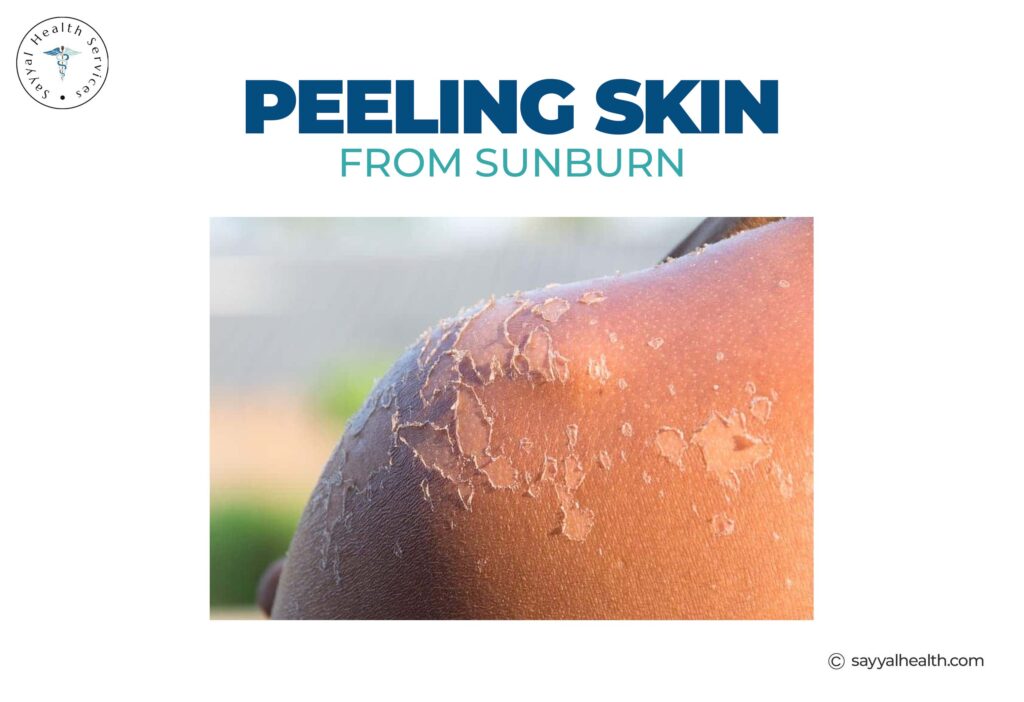
You spent a glorious afternoon at the beach, but you forgot to reapply sunscreen. Now, a few days later, you are staring at your reflection as sheets of dead skin begin to curl away from your shoulders. It is itchy, it is unsightly, and it is almost impossible to stop touching.
If you have ever wondered, “Why does my skin peel after I get sunburned?” you are not alone. This common post-sun experience is actually a sophisticated biological emergency response. While it might be tempting to grab the corner of that peeling skin and pull (we’ve all been there), understanding what is happening beneath the surface reveals why patience is the best medicine.
In this article, we will explore the science of sunburn and peeling skin, why your body uses this method to heal, and how to manage the process safely to avoid scarring or infection.
The Biology of a Sunburn: What Actually Happens?
To understand peeling, you first have to understand what a sunburn really is. Contrary to popular belief, a sunburn is not simply “heat damage.” It is a form of radiation injury caused by ultraviolet (UV) radiation from the sun or tanning beds.
The DNA Damage
When UV rays, specifically UVB rays, hit your skin, they penetrate the epidermis (the top layer). They have enough energy to damage the DNA inside your skin cells, specifically the keratinocytes.
The Immune Response
Your body recognizes this damage as a threat. In response, it triggers an inflammatory reaction. Blood vessels dilate (causing the redness and heat), and immune cells rush to the site to start cleaning up the cells that are too damaged to repair themselves.
Apoptosis: Programmed Cell Death
This is the key to peeling. When a skin cell’s DNA is too damaged to be repaired safely (to prevent it from becoming cancerous), your body initiates a process called apoptosis essentially, it tells the damaged cells to commit suicide.
The peeling you see days later is the mass exodus of these dead, “self-destructed” cells being shed to make way for new, healthy cells underneath.
Why Does My Skin Peel After I Get Sunburned?
If DNA damage is the trigger, apoptosis is the mechanism. But why does it take a few days for the peeling to start?
The Delayed Reaction
You usually feel the burn within hours, but peeling typically begins 3 to 5 days after exposure. This delay exists because the body needs time to:
- Identify the damaged cells.
- Mobilize new cells (new keratinocytes) to form a protective layer beneath the damaged one.
- Weaken the bonds (desmosomes) that hold the dead cells to the living tissue.
When the new layer is ready, the old, sun-damaged top layer loses its adhesion and begins to flake off. Essentially, your skin is performing a controlled demolition to prevent cancerous mutations from taking hold.
Is Skin Peeling a Sign of Severity?
Not all sunburns lead to peeling. Minor redness (a first-degree burn) may fade without flaking. However, sunburn and peeling skin usually indicate a second-degree burn, where the damage has penetrated beyond the superficial layer deep enough to trigger the full apoptotic cascade.
Why You Shouldn’t Pull the Skin?
It is incredibly satisfying to peel off a large sheet of dead skin. However, dermatologists universally advise against it.
The Risks of Manual Skin Peeling
- Infection: The peeling skin is actually a protective barrier. If you pull it off before the skin underneath is fully matured, you create an open wound. Bacteria can enter, leading to folliculitis (infected hair follicles) or cellulitis.
- Hyperpigmentation: Picking at healing skin can stimulate melanocytes, leaving dark spots (post-inflammatory hyperpigmentation) that can last for months.
- Scarring: While superficial peeling rarely causes permanent scars, tearing the skin can damage the dermis, leading to textural scars.
What About “Peeling” Products?
You might see exfoliating scrubs or chemical peels marketed for post-sun skin. Do not use these. Aggressive exfoliation on sunburned skin is like sandpapering a wound. Wait until the active peeling stops and the skin is fully healed before resuming exfoliation.
How to Treat Sunburn and Peeling Skin Safely?
While you cannot stop the peeling once it starts, you can manage the process to minimize pain, speed up recovery, and maintain skin health.
Cool It Down (The First 24 Hours)
If you catch the burn early, cool the skin to halt the inflammatory process.
- Take cool showers or baths.
- Apply a cold compress.
- Avoid ice directly on the skin, as it can cause further tissue damage.
Hydration is Key
Dehydrated skin peels worse.
- Drink water: Sunburn draws fluid away from the body, leading to dehydration. Replenishing internally helps the new skin cells stay plump.
- Moisturize: Use a gentle, fragrance-free moisturizer. Look for ingredients like hyaluronic acid, glycerin, or ceramides to lock in moisture.
Aloe Vera: Nature’s Healer
Aloe vera is the gold standard for sunburn recovery. It contains compounds that reduce inflammation and provide a cooling sensation. For best results:
- Use pure aloe vera gel (avoid versions with alcohol or dyes).
- Store it in the refrigerator for an extra cooling effect.
Avoid Harsh Ingredients
While your skin is peeling, avoid:
- Retinols and Retin-A
- Alpha-hydroxy acids (AHAs) and Beta-hydroxy acids (BHAs)
- Fragrance and alcohol-based toners
These will sting and aggravate the fragile new skin underneath.
Let It Fall Off Naturally
If the peeling is driving you crazy, gently trim the dead skin with clean, small scissors (like nail scissors) to prevent snagging on clothing. Do not tug.
The Role of Sunscreen: Prevention vs. Cure
The best way to deal with peeling skin is to prevent the sunburn that causes it.
Why You Must Wear SPF Even When Peeling?
Ironically, the new skin revealed after peeling is extremely vulnerable. It is thin, lacks a robust protective barrier, and is highly susceptible to further UV damage. If you go back into the sun while peeling:
- You will burn faster and deeper.
- You increase the risk of permanent sun spots.
- You risk disrupting the healing process.
Pros and Cons of the Skin Peeling Process
Pros (The Body’s Defense)
- Cancer Prevention: By shedding damaged cells, the body reduces the risk of mutations that could lead to skin cancer.
- Natural Renewal: It forces the turnover of old cells, revealing fresh new skin.
- Self-Regulating: The body knows exactly which cells are too damaged to keep.
Cons (The Downsides)
- Cosmetic Issues: Peeling skin looks unsightly and can be embarrassing.
- Discomfort: It is often accompanied by itching, tightness, and sensitivity.
- Risk of Infection: If you pick at it, you risk bacterial infections and scarring.
- Temporary Weakness: The new skin is fragile and burns more easily.
Frequently Asked Questions
1. Is peeling skin a sign that the sunburn is healing?
Yes, generally speaking. Peeling indicates that your body has successfully induced apoptosis in the damaged cells and is generating new cells to replace them. However, it also means the burn was significant enough to cause deep damage.
2. How long does sunburn peeling last?
The peeling process usually lasts between 3 to 7 days, depending on the severity of the burn and how well you care for the skin. Severe burns may peel for up to two weeks.
3. Should I exfoliate peeling sunburn?
No. Avoid mechanical exfoliation (scrubs, loofahs) and chemical exfoliants (acids, retinols) until the peeling has completely stopped and the skin feels smooth again. This usually takes about a week.
4. Why does peeling skin itch?
The itching is caused by a combination of dryness (as moisture evaporates from the damaged barrier) and the inflammatory response (histamine release) as the body works to heal the injury.
Conclusion
Sunburn and peeling skin is your body’s remarkable if uncomfortable way of protecting you from cancer. It is a visible sign of the microscopic battle your cells wage against UV radiation. While the urge to pick or scrub away the flakes is strong, the healthiest approach is to nurture your skin with hydration, aloe vera, and patience.
Remember, every sunburn increases your lifetime risk of skin cancer. Peeling is your body’s final defensive act after the damage is done. The best way to avoid this cycle is to wear broad-spectrum sunscreen, seek shade, and wear protective clothing.
Ready to Protect Your Skin for the Long Term?
Don’t wait for the next burn to take action. Book a full-body skin check with a general practitioner or dermatologist today to assess any sun damage and learn personalized strategies for sun protection. Your future self will thank you.