Choosing the right type of fuel for heating, cooking, or industrial use is an important decision that affects efficiency, cost, and environmental impact. Among the most commonly used solid fuels are smokeless coal and traditional coal. While both serve similar purposes, they differ significantly in performance, emissions, and usability.
In this article, we will explore the key differences between smokeless coal and traditional coal, their advantages and disadvantages, and help you decide which one is the better choice for your needs.
What Is Traditional Coal?
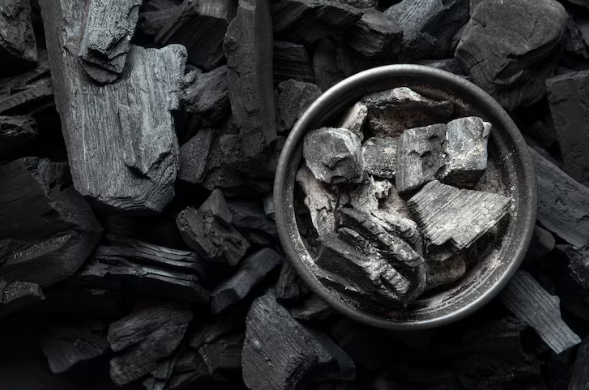
Traditional coal, often referred to as raw or natural coal, is a fossil fuel formed from plant material over millions of years. It is widely used across the world for heating homes, generating electricity, and fueling industrial processes.
Types of Traditional Coal
Traditional coal comes in several forms, including:
- Anthracite – Hard, high carbon content, burns hotter and cleaner
- Bituminous coal – Commonly used, produces more smoke
- Lignite – Lower carbon content, burns quickly with more emissions
Key Characteristics
- Produces visible smoke when burned
- Emits higher levels of pollutants
- Generally cheaper and widely available
- Requires frequent cleaning due to ash buildup
What Is Smokeless Coal?
Smokeless coal is a specially processed fuel designed to burn with minimal smoke and fewer emissions. It is often manufactured by removing impurities and volatile compounds from traditional coal or by blending different materials to create a cleaner-burning product.
Key Characteristics
- Produces very little or no visible smoke
- Burns more efficiently and for longer periods
- Generates less ash and residue
- Complies with environmental regulations in many regions
Key Differences Between Smokeless Coal and Traditional Coal
Understanding the differences between these two fuels can help you make a more informed choice.
1. Smoke Emissions
Traditional Coal:
Produces thick smoke due to the presence of volatile compounds. This smoke contributes to air pollution and can be harmful to health.
Smokeless Coal:
Designed to burn cleanly, producing little to no visible smoke. This makes it ideal for urban areas and environmentally conscious users.
2. Environmental Impact
Traditional Coal:
- Releases higher levels of carbon dioxide and harmful gases
- Contributes to smog and poor air quality
- Leaves behind more ash waste
Smokeless Coal:
- Lower emissions of harmful pollutants
- More eco-friendly compared to traditional coal
- Helps reduce overall environmental footprint
3. Burning Efficiency
Traditional Coal:
Burns quickly and may require frequent refueling. Heat output can be inconsistent depending on the type of coal used.
Smokeless Coal:
Burns at a steady rate and produces consistent heat over a longer period. This makes it more efficient for heating.
4. Cost Comparison
Traditional Coal:
- Generally cheaper upfront
- Higher consumption rate may increase long-term costs
Smokeless Coal:
- Slightly more expensive initially
- Better efficiency can lead to cost savings over time
5. Maintenance and Cleaning
Traditional Coal:
- Produces more ash and soot
- Requires frequent cleaning of stoves and chimneys
Smokeless Coal:
- Produces less residue
- Easier to maintain and cleaner to handle
6. Availability
Traditional Coal:
Widely available in most regions, especially in developing countries.
Smokeless Coal:
Availability may vary depending on location, but it is becoming increasingly common due to environmental regulations.
Advantages of Traditional Coal
Despite its drawbacks, traditional coal still has several benefits:
- Affordability: Lower initial cost makes it accessible for many households
- Availability: Easily found in local markets
- High heat output: Certain types like anthracite can produce intense heat
Disadvantages of Traditional Coal
- Produces significant smoke and air pollution
- Higher environmental impact
- Requires more maintenance and cleaning
- Can be restricted in certain areas due to regulations
Advantages of Smokeless Coal
Smokeless coal offers several modern benefits:
- Cleaner burning: Minimal smoke improves air quality
- Higher efficiency: Burns longer and more consistently
- Low maintenance: Less ash and soot to deal with
- Environmentally friendly: Reduced emissions make it a better choice for sustainability
Disadvantages of Smokeless Coal
- Higher upfront cost
- May not be as widely available in rural areas
- Requires proper appliances for optimal performance
Which One Is Better for Home Heating?
When it comes to home heating, smokeless coal is often the better choice for several reasons:
- It provides consistent heat for longer durations
- It keeps your home cleaner by reducing soot buildup
- It is safer for indoor air quality
Traditional coal may still be suitable for those on a tight budget or in areas where smokeless options are not readily available.
Which One Is Better for the Environment?
Smokeless coal clearly has the advantage in terms of environmental impact. Its reduced emissions help:
- Lower air pollution levels
- Improve public health
- Support cleaner energy practices
Traditional coal, on the other hand, contributes significantly to environmental degradation.
Which One Is More Cost-Effective?
While traditional coal appears cheaper initially, smokeless coal often proves more cost-effective in the long run due to:
- Lower consumption rates
- Reduced maintenance costs
- Longer burn time
If you consider total usage over time, smokeless coal may provide better value.
Factors to Consider Before Choosing
Before deciding between smokeless coal and traditional coal, consider the following factors:
1. Budget
If upfront cost is your main concern, traditional coal may seem attractive. However, think about long-term savings.
2. Usage Purpose
- For home heating: Smokeless coal is usually better
- For industrial use: Traditional coal may still be preferred
3. Environmental Concerns
If reducing your carbon footprint matters, smokeless coal is the clear winner.
4. Local Regulations
Some areas restrict the use of traditional coal due to pollution concerns. Always check local rules before purchasing.
5. Appliance Compatibility
Ensure your stove or heating system is compatible with the type of coal you choose.
Practical Use Cases
When to Choose Smokeless Coal
- Urban living areas
- Indoor heating systems
- Eco-conscious households
- Low-maintenance preferences
When to Choose Traditional Coal
- Rural areas with limited options
- Budget constraints
- Industrial or large-scale applications
Future Trends in Coal Usage
With growing awareness about environmental sustainability, the demand for cleaner fuels is increasing. Smokeless coal is becoming more popular as governments and consumers seek alternatives to reduce pollution.
In the future, we may see:
- Increased availability of smokeless fuel options
- Stricter regulations on traditional coal use
- Development of even cleaner solid fuel technologies
Conclusion
When comparing smokeless coal vs traditional coal, the choice ultimately depends on your priorities. Traditional coal offers affordability and availability, making it a practical option for many users, especially in areas where cleaner alternatives are limited.
However, smokeless coal stands out as the superior option in terms of efficiency, cleanliness, and environmental impact. It burns longer, produces less smoke, and requires less maintenance, making it ideal for modern households and environmentally conscious users.
If you are looking for a long-term, cleaner, and more efficient fuel solution, smokeless coal is the better choice. But if cost and accessibility are your main concerns, traditional coal may still serve your needs effectively.
By carefully evaluating your requirements, budget, and environmental considerations, you can make an informed decision that best suits your situation.