
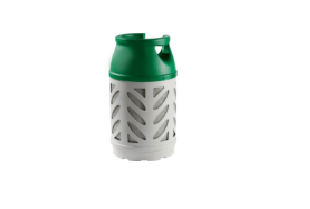
Propane gas bottles are an essential source of fuel for homes, businesses, and outdoor activities. Whether you need propane for cooking, heating, camping, barbecuing, or industrial use, choosing the right propane gas bottle is very important. Buying the wrong size, material, or type can lead to inconvenience, higher costs, or even safety issues.
This complete buyer’s guide will help you understand everything you need to know before purchasing a propane gas bottle. From different types and sizes to safety features and maintenance tips, this guide will ensure you make the right decision.
Understanding What a Propane Gas Bottle Is
A propane gas bottle is a pressurized container designed to store and transport propane gas safely. Propane is a type of liquefied petroleum gas (LPG) that becomes liquid under pressure and converts into gas when released.
These bottles are commonly used for:
- Home cooking
- Outdoor BBQ grills
- Camping stoves
- Patio heaters
- Industrial equipment
- Food trucks and catering services
- Agricultural applications
Propane is popular because it burns cleanly, produces high heat, and is easy to store and transport.
Different Types of Propane Gas Bottles
Before purchasing a propane gas bottle, it is important to understand the different types available on the market.
Steel Propane Bottles
Steel propane bottles are the most commonly used type. They are durable, reliable, and widely available.
Advantages:
- Strong and long-lasting
- Affordable compared to other options
- Suitable for home and commercial use
Disadvantages:
- Heavier than other materials
- Can rust if not properly maintained
These bottles are commonly used for household gas cylinders and commercial cooking.
Aluminum Propane Bottles
Aluminum propane bottles are lighter than steel bottles and resist rust, making them ideal for outdoor use.
Advantages:
- Lightweight and portable
- Corrosion-resistant
- Longer lifespan
Disadvantages:
- More expensive than steel bottles
- Slightly less common in some regions
These bottles are often used for camping, boating, and outdoor activities.
Composite Propane Bottles
Composite propane bottles are made using fiberglass and plastic materials. They are becoming increasingly popular due to their modern design and safety features.
Advantages:
- Extremely lightweight
- Rust-free construction
- Transparent design allows you to see gas levels
Disadvantages:
- Higher cost
- Limited availability in some markets
Composite bottles are ideal for users who want a lightweight and modern solution.
Choosing the Right Size of Propane Gas Bottle
Propane gas bottles come in different sizes depending on usage. Choosing the correct size helps ensure efficiency and convenience.
Small Propane Bottles (1kg – 5kg)
Small propane bottles are perfect for portable use.
Common uses include:
- Camping stoves
- Portable grills
- Outdoor cooking
- Small heaters
They are lightweight and easy to carry but require frequent refilling.
Medium Propane Bottles (10kg – 15kg)
Medium-sized propane bottles are the most common for household use.
They are ideal for:
- Home kitchens
- BBQ grills
- Patio heaters
These bottles provide a good balance between portability and capacity.
Large Propane Bottles (20kg – 50kg)
Large propane bottles are designed for heavy usage.
They are typically used for:
- Restaurants
- Food trucks
- Industrial cooking
- Commercial heating
These cylinders last longer but are heavier and less portable.
Important Safety Features to Look For
Safety should always be a top priority when buying a propane gas bottle. Modern cylinders come with several safety features to prevent accidents.
Pressure Relief Valve
This valve automatically releases pressure if the gas inside the bottle becomes too high. It prevents the bottle from exploding due to excessive pressure.
Protective Collar
The collar protects the valve from damage during transportation and handling.
Safety Cap
A safety cap covers the valve when the bottle is not connected, preventing gas leakage and damage.
Certification and Standards
Always check that the propane gas bottle meets national safety standards and certifications. Certified bottles undergo strict testing to ensure safety and reliability.
How to Check the Quality of a Propane Gas Bottle
When buying a propane gas bottle, it is important to inspect its quality carefully.
Here are a few things to check:
Manufacturing Date
Gas cylinders have a manufacturing date stamped on them. Avoid buying very old cylinders because they may require testing or replacement.
Requalification Date
Many propane bottles require inspection every few years. Make sure the bottle has a valid certification.
Surface Condition
Check for dents, rust, cracks, or damage. A damaged cylinder can be dangerous.
Valve Condition
Ensure the valve is secure and free from leaks or corrosion.
New vs. Refilled Propane Gas Bottles
Buyers often have the option to choose between new propane bottles and refilled ones.
New Propane Bottles
New bottles are unused cylinders purchased directly from suppliers.
Benefits:
- Longer lifespan
- No previous wear or damage
- Higher reliability
However, they usually cost more.
Refilled or Exchanged Bottles
Refilled bottles are previously used cylinders that have been cleaned, inspected, and refilled.
Benefits:
- More affordable
- Convenient exchange programs
- Widely available
Just ensure the bottle has been properly inspected and certified.
Factors to Consider Before Buying
Several factors should influence your decision when purchasing a propane gas bottle.
Usage Purpose
Determine how you plan to use the propane. Household cooking requires a different cylinder size than outdoor camping.
Frequency of Use
If you use propane frequently, a larger bottle may be more economical.
Portability
If you need to transport the bottle regularly, choose a lighter and smaller option.
Budget
Prices vary depending on size, material, and brand. Set a budget before making a purchase.
Availability of Refilling Stations
Ensure propane refilling or exchange services are available in your area.
Safe Storage of Propane Gas Bottles
Proper storage is essential to prevent accidents and maintain cylinder lifespan.
Follow these safety guidelines:
- Store bottles in a well-ventilated area
- Keep cylinders upright at all times
- Avoid direct sunlight and heat sources
- Never store propane bottles indoors in closed spaces
- Keep them away from flammable materials
These precautions help reduce the risk of leaks and fire hazards.
Maintenance Tips for Propane Gas Bottles
Regular maintenance ensures safety and extends the lifespan of your propane cylinder.
Inspect Regularly
Check for rust, leaks, or valve damage.
Clean the Cylinder
Keep the surface clean and dry to prevent corrosion.
Check for Gas Leaks
You can use a soap solution around the valve. If bubbles appear, there may be a leak.
Replace Damaged Parts
If the valve or regulator becomes faulty, replace it immediately.
Follow Expiry Guidelines
Do not use cylinders that have exceeded their certification period.
Common Mistakes Buyers Should Avoid
Many buyers make mistakes when purchasing propane gas bottles. Avoiding these mistakes can help ensure safety and value for money.
Buying the Wrong Size
Choosing a bottle that is too small or too large for your needs can cause inconvenience.
Ignoring Safety Certifications
Always choose certified cylinders to ensure safety.
Purchasing Damaged Cylinders
Never buy bottles with dents, cracks, or rust.
Poor Storage Practices
Improper storage can lead to gas leaks or accidents.
Environmental Benefits of Propane
Propane is considered one of the cleaner fuel options available.
Some environmental advantages include:
- Lower carbon emissions compared to many fuels
- Clean burning with minimal smoke
- Efficient energy production
- Reduced environmental impact
Because of these benefits, propane continues to be a popular fuel choice worldwide.
Conclusion
Buying a propane gas bottle may seem simple, but choosing the right one requires careful consideration. From selecting the correct size and material to ensuring proper safety features, every detail matters.
Understanding your needs is the first step toward making the right purchase. Whether you need a small bottle for camping or a large cylinder for commercial cooking, the ideal propane gas bottle should provide safety, durability, and convenience.
Always prioritize certified cylinders, inspect them carefully before buying, and follow proper storage and maintenance guidelines. By doing so, you can ensure a safe and reliable propane supply for your home or business.
With the knowledge provided in this buyer’s guide, you can confidently choose the best propane gas bottle that meets your requirements while ensuring safety and efficiency.