
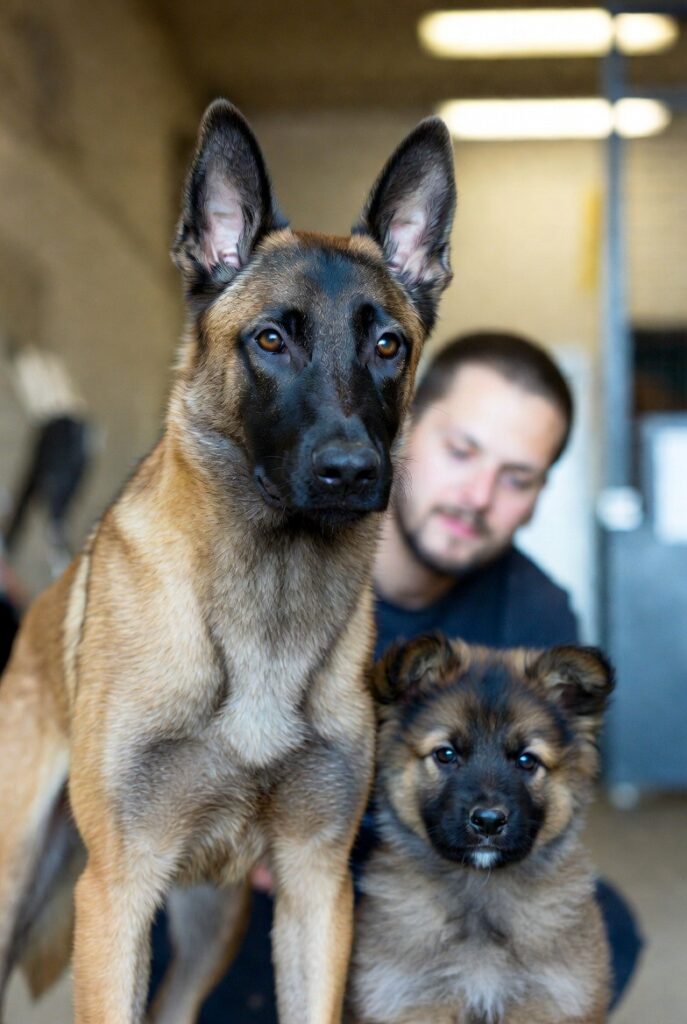
Interest in personal protection dog ownership has grown as individuals seek additional layers of personal security. However, many people underestimate the complexity involved in protection work and the responsibility that comes with it. Behavioral misunderstandings, unrealistic expectations, and improper handling are common challenges. Understanding personal protection dog training before pursuing ownership is critical for safety and long-term success.
Understanding the Role of a Personal Protection Dog
A personal protection dog is not simply a trained guard animal. These dogs are conditioned to assess threats, respond under control, and disengage when commanded. Protection behavior must be precise, measured, and legally defensible. This role requires balance rather than aggression.
Protection dogs operate within strict behavioral parameters. They must remain neutral in everyday environments while being capable of controlled response. This dual expectation demands advanced training. Without proper structure, behavior can become unpredictable.
Differentiating Protection Training From Basic Obedience
Personal protection dog training extends far beyond standard obedience training for dogs. While obedience establishes communication, protection work introduces decision-making under pressure. Dogs must distinguish between normal situations and legitimate threats. This distinction requires advanced conditioning.
Obedience serves as the foundation, not the endpoint. Without reliable obedience, protection behaviors become unsafe. Training emphasizes control, clarity, and response inhibition. The relationship between obedience and protection is inseparable.
Temperament Requirements for Protection Work
Not all dogs are suitable for protection roles. Temperament traits such as nerve strength, confidence, and resilience are essential. Dogs lacking these qualities may react unpredictably. Temperament assessment is a critical step.
A suitable personal protection dog demonstrates calm neutrality when not engaged. Overreactivity is a liability rather than an asset. Balanced temperament supports safe deployment. Evaluation focuses on stability under stress.
The Importance of Controlled Drive
Protection dogs require controlled drive rather than uncontrolled aggression. Drive refers to motivation and engagement, not hostility. Training channels this drive into purposeful behavior. Poor control leads to risk.
High drive without regulation increases liability. Proper training teaches dogs when to engage and when to disengage. This control protects both handler and public. Drive management is central to protection training.
Handler Responsibility and Skill Level
Handler behavior directly affects protection outcomes. A personal protection dog responds to leadership, consistency, and clarity. Inexperienced handling can undermine training. Responsibility extends beyond commands.
Handlers must understand canine communication and stress signals. Misinterpretation can escalate situations unnecessarily. Training includes handler education. Skill alignment supports safety and effectiveness.
Legal and Ethical Considerations
Ownership of a personal protection dog carries legal responsibility. Improper deployment can result in serious consequences. Training emphasizes restraint and accountability. Ethical considerations guide every aspect.
Dogs are trained to respond proportionally. Excessive force is neither ethical nor acceptable. Responsible ownership prioritizes prevention over confrontation. Legal awareness is essential.
Environmental Stability and Daily Management
Protection dogs require structured daily routines. Consistency supports emotional regulation and reliability. Chaotic environments increase stress and reduce effectiveness. Stability is foundational.
Daily management includes exercise, training reinforcement, and mental engagement. Neglecting routine leads to behavioral drift. Structured environments maintain readiness. Management is ongoing.
Behavioral Control in Public Settings
A personal protection dog must remain neutral in public spaces. This neutrality distinguishes trained protection dogs from uncontrolled guard dogs. Public behavior reflects training quality. Reliability is non-negotiable.
Dogs must ignore distractions and respond calmly. Training emphasizes neutrality over intimidation. Public safety depends on behavioral control. Neutrality protects the dog’s role and reputation.
Misconceptions About Protection Dogs
Many assume protection dogs are aggressive by nature. In reality, properly trained dogs are stable and composed. Aggression is a training failure rather than a feature. Misconceptions fuel unrealistic expectations.
Another misconception is that protection dogs replace situational awareness. Dogs supplement, not replace, responsible behavior. Training supports judgment rather than recklessness. Education corrects these myths.
The Role of Stress Exposure in Training
Personal protection dog training includes controlled stress exposure. Dogs learn to function under pressure without panic. Gradual exposure builds resilience. This process is carefully managed.
Uncontrolled stress undermines training. Proper exposure teaches recovery and adaptability. Stress inoculation supports reliability. Training prioritizes stability over intensity.
Long-Term Training and Skill Maintenance
Protection training is not permanent without reinforcement. Skills degrade without practice and structure. Ongoing training maintains reliability. Commitment defines success.
Life changes can affect consistency. Regular evaluation supports readiness. Maintenance prevents regression. Long-term planning is essential.
Evaluating Suitability for Personal Protection
Not every situation requires a personal protection dog. Alternative security measures may be more appropriate. Suitability depends on environment, lifestyle, and risk level. Honest assessment prevents misuse.
Protection dogs are tools, not symbols. Their role must be justified and responsible. Evaluation supports ethical deployment. Thoughtful decisions protect all parties.
Ethical Ownership and Public Safety
Ethical ownership prioritizes control, welfare, and accountability. Protection dogs must never be used for intimidation. Training emphasizes restraint. Ethics guide behavior.
Public safety is paramount. Responsible ownership protects the breed’s reputation. Ethical practices ensure sustainability. Accountability builds trust.
Conclusion
Understanding personal protection dog training is essential before committing to a personal protection dog. These dogs require advanced training, stable environments, and skilled handling to function safely. Protection work is built on control, clarity, and responsibility rather than aggression. Thoughtful evaluation and ethical ownership support long-term success and public safety.