
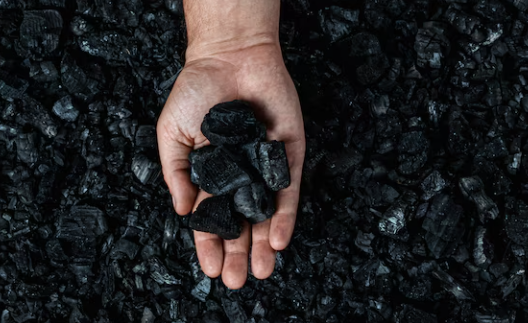
In today’s world, energy consumption and environmental sustainability are two closely intertwined topics. With growing concerns about climate change, air pollution, and human health, the type of fuel we use in our homes, industries, and power plants has come under significant scrutiny. Coal, one of the oldest and most widely used sources of energy, has been a focal point in this discussion. Traditional coal, though abundant and affordable, is notorious for its environmental and health impacts. In response, smokeless coal has emerged as an alternative, promising cleaner combustion and reduced emissions. But the question remains: Smokeless coal vs traditional coal – which is better for the environment?
In this article, we will explore the differences between smokeless coal and traditional coal, their environmental impacts, benefits, and drawbacks, and ultimately determine which option is more sustainable in the long term.
Understanding Traditional Coal
Traditional coal, also referred to as bituminous or anthracite coal depending on its carbon content, has been used as a primary source of energy for centuries. It is primarily used for electricity generation, heating, and industrial processes. While it has proven to be a reliable and energy-dense fuel, traditional coal has several notable environmental drawbacks.
Environmental Impact of Traditional Coal
- Air Pollution: Burning traditional coal releases a variety of pollutants into the atmosphere, including sulfur dioxide (SO₂), nitrogen oxides (NOₓ), carbon monoxide (CO), and particulate matter (PM). These pollutants contribute to smog, acid rain, and respiratory problems in humans.
- Greenhouse Gas Emissions: Coal combustion is one of the leading sources of carbon dioxide (CO₂), a major greenhouse gas responsible for global warming. A single ton of coal can release more than 2.5 tons of CO₂ when burned.
- Toxic Substances: Traditional coal contains impurities such as mercury, arsenic, and lead. When burned, these toxic elements can be released into the air, soil, and water, posing serious risks to both humans and wildlife.
- Resource Depletion: Coal mining, particularly surface mining, can lead to deforestation, soil erosion, and habitat destruction. Additionally, coal is a non-renewable resource, meaning its long-term availability is finite.
Despite these drawbacks, traditional coal remains popular in some regions due to its affordability and high energy output. However, the environmental and health costs have driven the search for cleaner alternatives, such as smokeless coal.
What is Smokeless Coal?
Smokeless coal, also known as low-smoke or anthracite briquettes, is a type of coal designed to burn more efficiently and produce fewer emissions than traditional coal. It is often made from processed coal or other carbon-rich materials, compressed into blocks or briquettes for residential or industrial use.
Key Characteristics of Smokeless Coal
- Low Sulfur Content: Smokeless coal contains minimal sulfur, which reduces the production of sulfur dioxide, a major contributor to acid rain.
- Reduced Smoke Production: As the name suggests, smokeless coal produces very little smoke during combustion. This is achieved through refining processes that remove volatile compounds responsible for dense smoke.
- Higher Energy Efficiency: Smokeless coal has a higher carbon content and energy density, which means it burns hotter and longer than traditional coal.
- Cleaner Ash: When burned, smokeless coal generates less ash and soot, reducing the amount of particulate pollution released into the environment.
Environmental Benefits of Smokeless Coal
The development and use of smokeless coal offer several advantages over traditional coal:
- Reduced Air Pollution: By producing less smoke and fewer pollutants, smokeless coal helps improve local air quality and reduces the risk of respiratory illnesses in humans.
- Lower Greenhouse Gas Emissions: While it still releases CO₂, the higher efficiency of smokeless coal means that less fuel is needed to produce the same amount of heat or energy, resulting in comparatively lower emissions.
- Compliance with Regulations: Many countries have implemented strict air quality standards that restrict the use of high-smoke fuels. Smokeless coal enables households and industries to comply with these regulations without sacrificing heating efficiency.
- Improved Public Health: By minimizing harmful emissions, smokeless coal contributes to better overall health, especially in urban areas where air pollution from traditional coal has historically been a major concern.
Comparing Smokeless Coal and Traditional Coal
To understand which type of coal is better for the environment, it is crucial to compare them across several key parameters:
1. Emissions
Traditional Coal: Produces significant amounts of smoke, sulfur dioxide, nitrogen oxides, particulate matter, and toxic metals.
Smokeless Coal: Produces far fewer pollutants, with minimal smoke and reduced sulfur content. This makes smokeless coal significantly cleaner in terms of air pollution.
2. Energy Efficiency
Traditional Coal: Typically has a lower carbon content, which can result in less energy per unit of coal. Incomplete combustion may also lead to wasted fuel.
Smokeless Coal: High carbon content and compact form allow for more complete combustion, generating more heat and requiring less fuel overall.
3. Health Impacts
Traditional Coal: Exposure to smoke and particulate matter can cause respiratory illnesses, cardiovascular problems, and even increase the risk of cancer.
Smokeless Coal: Reduces these health risks significantly due to its lower emission profile.
4. Environmental Sustainability
Traditional Coal: Mining and burning traditional coal lead to deforestation, soil erosion, water pollution, and habitat destruction.
Smokeless Coal: While still a non-renewable resource, its higher efficiency and lower emissions reduce its overall environmental footprint.
5. Cost and Accessibility
Traditional Coal: Generally cheaper and more widely available, especially in regions with extensive coal reserves.
Smokeless Coal: More expensive due to processing and manufacturing requirements, which may limit accessibility for some users. However, the long-term environmental and health savings can offset the initial cost.
Limitations of Smokeless Coal
While smokeless coal is an environmentally friendlier alternative, it is not entirely without drawbacks:
- Still Produces CO₂: Despite being cleaner, smokeless coal still emits carbon dioxide, contributing to climate change.
- Higher Cost: The production and refinement of smokeless coal make it more expensive than traditional coal.
- Limited Availability: In some regions, smokeless coal may be harder to source, limiting its adoption.
- Energy Transition Challenge: While cleaner than traditional coal, smokeless coal is still a fossil fuel. For truly sustainable energy solutions, renewable alternatives such as solar, wind, and hydro power are necessary.
Case Studies and Real-World Impact
Several countries have implemented smokeless coal programs with positive environmental outcomes:
- United Kingdom: The UK’s Clean Air Act of 1956 led to the widespread adoption of smokeless coal in urban areas. Studies have shown a significant reduction in air pollution and respiratory illnesses in cities that transitioned from traditional coal to smokeless coal.
- China: In cities struggling with severe air pollution, smokeless coal briquettes have been introduced to replace traditional coal for heating, particularly in winter. This has helped reduce smog levels and improved public health outcomes.
- India: Some regions have experimented with smokeless coal in industrial and residential settings, reducing smoke-related pollution in densely populated areas.
These case studies highlight that while smokeless coal is not a perfect solution, it can play a meaningful role in reducing the environmental and health impacts associated with coal use.
Conclusion: Which is Better for the Environment?
When comparing smokeless coal vs traditional coal, it is clear that smokeless coal is the superior option from an environmental perspective. Its reduced emissions, higher energy efficiency, and lower health risks make it a cleaner and more sustainable choice. While it still contributes to greenhouse gas emissions and relies on non-renewable resources, smokeless coal represents an important transitional fuel in the effort to mitigate environmental damage while meeting energy needs.
However, it is essential to recognize that even smokeless coal is not a permanent solution to energy sustainability. To truly protect the environment, societies must continue investing in renewable energy sources and reducing dependence on all fossil fuels. Smokeless coal can serve as a bridge technology, improving air quality and reducing environmental harm in the short to medium term, but the ultimate goal should be a future powered by clean, renewable energy.
In summary, if choosing between traditional coal and smokeless coal today, smokeless coal is undoubtedly better for the environment. Its cleaner combustion, reduced smoke, and improved efficiency provide immediate benefits for both public health and the planet. However, long-term environmental sustainability requires a shift beyond coal entirely, toward greener and more renewable energy solutions.