OSHA 10 Training: Essential Workplace Safety and Hazard Awareness
The OSHA 10 training program is a foundational safety course designed specifically for entry-level workers across the United States. Established by the Occupational Safety and Health Administration (OSHA), this 10-hour outreach program provides a comprehensive introduction to identifying, avoiding, and preventing common job site hazards. Whether you are beginning a career in construction or starting a role in a factory, warehouse, or healthcare facility, this training equips you with the knowledge to maintain a safe working environment.
The primary goal of the program is to foster a proactive safety culture. By teaching workers how to spot risks before they lead to accidents, OSHA aims to reduce the number of workplace injuries and fatalities nationwide. This training is not just about following rules; it is about empowering employees to understand their rights and the responsibilities of their employers in keeping them safe.
Understanding the Two Main Training Paths
OSHA 10 training is divided into two primary categories to ensure the material is relevant to the worker’s specific environment: Construction and General Industry.
1. Construction Industry Focus
The construction version is tailored for those involved in building, repairs, alterations, and demolition. It focuses heavily on the “Focus Four” hazards, which are responsible for the majority of fatalities in this sector:
- Falls: The leading cause of death in construction, covering ladder safety and scaffolding.
- Struck-By: Hazards involving falling objects or moving vehicles.
- Caught-In/Between: Risks related to heavy machinery and trenching.
- Electrocution: Safety protocols for working near power lines and using tools.
2. General Industry Focus
This version is designed for almost every other field, including manufacturing, distribution, retail, and healthcare. The curriculum covers a broad range of topics relevant to permanent facility work:
- Walking and Working Surfaces: Preventing slips, trips, and falls in aisles or on stairs.
- Exit Routes and Fire Prevention: Understanding emergency action plans.
- Machine Guarding: Ensuring moving parts on equipment are properly shielded.
- Hazard Communication: Learning how to read labels and Safety Data Sheets (SDS) for chemicals.
Who Needs This Training?
While the federal government considers the Outreach Training Program voluntary, it has become a standard requirement in the American workforce. Many states, local jurisdictions, and private employers mandate an OSHA 10 card as a condition of employment.
For example, in many major U.S. cities, you cannot set foot on a construction site without proof of completing this training. Even when not legally required, having this training on your resume signals to employers that you are a “safety-first” professional. It is particularly valuable for:
- Entry-level laborers and tradespeople.
- Warehouse and logistics personnel.
- Manufacturing and factory workers.
- Medical facility maintenance staff.
Key Learning Objectives
The curriculum is structured to be practical and easy to understand. Over the course of 10 hours, participants learn:
- The Mission of OSHA: Why the agency exists and how it supports American workers.
- Worker Rights: Your right to a safe workplace, to receive training in a language you understand, and to report hazards without fear of retaliation.
- Employer Responsibilities: The legal duty of companies to provide protective equipment and fix known hazards.
- Personal Protective Equipment (PPE): How to correctly select, use, and maintain gear like hard hats, safety glasses, and gloves.
- Hazard Correction: Steps to take when a danger is identified, from notifying a supervisor to following lockout/tagout procedures.
How Training is Delivered
To ensure the highest quality of education, this training must be conducted by an OSHA outreach trainer. These individuals have undergone rigorous training themselves and are the only ones permitted to issue official Department of Labor (DOL) wallet cards.
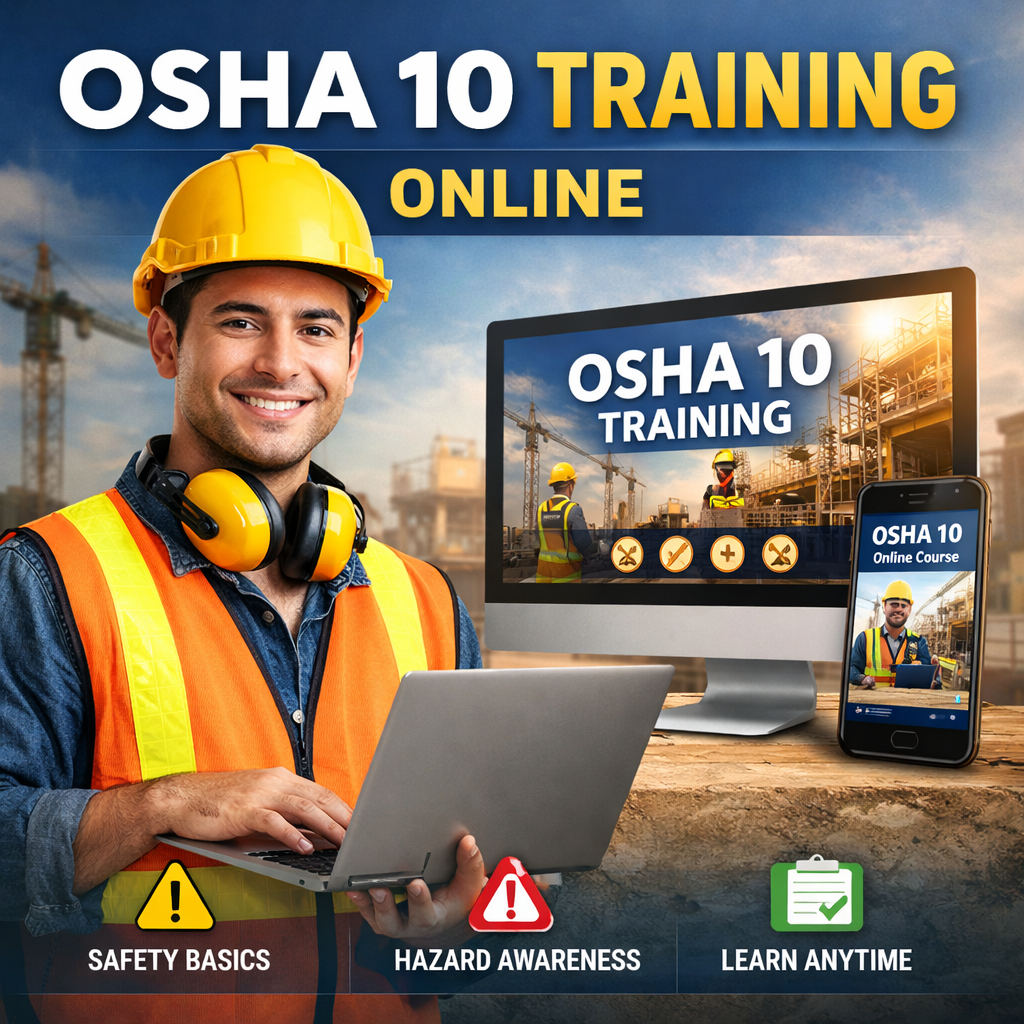
In today’s fast-paced world, most workers opt for online training. Online courses offer the flexibility to learn at your own pace, often allowing you to pause and resume as needed. For teams, in-person training can be more interactive, allowing for hands-on demonstrations with tools or equipment specific to the company’s operations. Regardless of the method, the course must span at least 10 hours of instruction and include a final assessment to confirm the worker has understood the core concepts.
Why It Matters for Your Career
Completing your online courses is more than a checkbox; it is an investment in your well-being. A worker who can recognize a frayed electrical cord or an improperly braced trench is a worker who goes home safe at the end of the shift. Furthermore, companies often prefer hiring individuals who already hold a DOL card because it reduces their onboarding time and lowers the likelihood of costly workplace incidents.
The knowledge gained is long-lasting. While the official card does not expire under federal law, many employers recommend a refresher every 3 to 5 years to stay current with updated safety standards.