
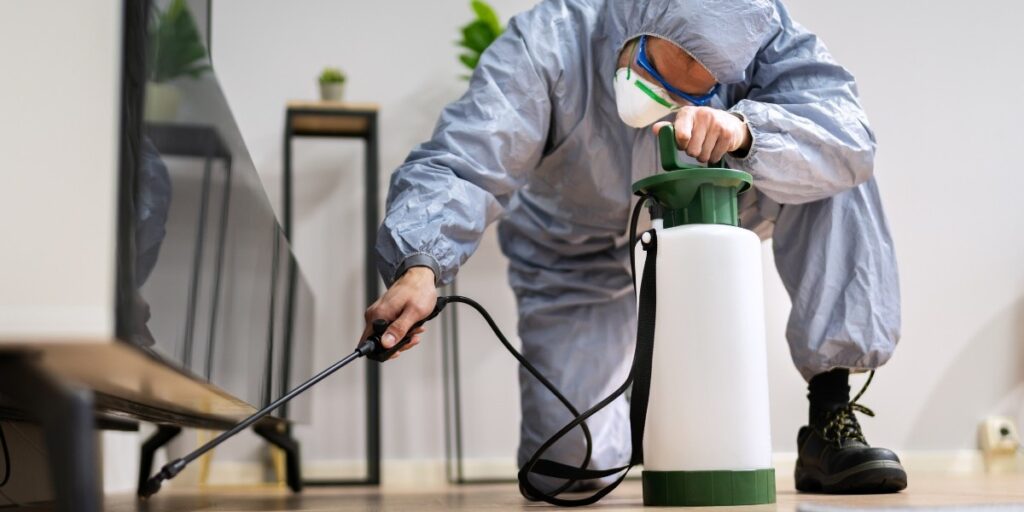
How plumbing issues spread cockroaches between floors is a common concern in apartment buildings, condos, and multi-story homes. Many people assume cockroach problems start because of poor cleanliness, but plumbing systems often play a much bigger role. Shared pipes, hidden leaks, and poorly sealed drain lines create perfect pathways for cockroaches to move freely between floors without being seen. Understanding how this happens is the first step toward long-term prevention.
Why Cockroaches Are Drawn to Plumbing Systems
Cockroaches thrive in environments that provide moisture, warmth, and darkness. Plumbing systems offer all three. Pipes run through walls, ceilings, and floors, creating protected tunnels that allow pests to travel undisturbed. Condensation on pipes and small leaks provide a steady water source, which is critical for cockroach survival.
Bathrooms, kitchens, and laundry areas are especially attractive because they connect directly to drain lines and sewer systems. Once cockroaches enter these spaces, they can easily move upward or downward through pipe chases and wall voids.
Shared Pipe Networks in Multi-Story Buildings
In buildings with multiple floors, plumbing systems are interconnected. Vertical drain stacks connect bathrooms and kitchens from top to bottom. If cockroaches infest one unit, they can migrate through these shared lines to neighboring apartments above or below.
This is why residents sometimes see cockroaches appear suddenly, even when their own unit is clean. The infestation may be coming from another floor entirely. Without sealing access points around pipes, the problem continues to spread.
Leaky Pipes Create Ideal Breeding Conditions
Even a slow drip under a sink or behind a wall can attract cockroaches. Moist environments allow roaches to survive longer and reproduce faster. Leaks also soften wood and drywall, making it easier for cockroaches to chew through surfaces and expand their hiding spaces.
Water damage around pipes often goes unnoticed for long periods, giving cockroaches time to establish nests. Once populations grow, they start spreading to other floors in search of food and new shelter.
Drain Lines and Sewer Connections as Entry Points
Cockroaches can enter buildings directly through sewer lines. Floor drains, shower drains, and sink pipes can act as access points if they lack proper traps or seals. Roaches are capable swimmers and can survive brief exposure to water, allowing them to crawl up drain pipes.
Unused drains are especially risky. When water traps dry out, they no longer block pests from coming up through the pipes. This is one of the most overlooked reasons cockroaches appear on higher floors.
Gaps Around Pipes and Wall Openings
Pipes rarely fit perfectly where they pass through floors and walls. Small gaps around plumbing penetrations give cockroaches easy access between units. These openings are often hidden behind cabinets, toilets, or appliances, making them hard to detect.
Once cockroaches find these gaps, they use them repeatedly. Over time, they leave behind scent trails that guide other roaches, increasing infestation levels across multiple floors.
How Poor Ventilation Worsens the Problem
Plumbing areas with poor airflow stay damp longer, which attracts cockroaches. Bathrooms without proper ventilation fans and kitchens with trapped humidity create ideal conditions for roaches to survive and spread.
Warm air rising through pipe chases can also carry moisture upward, encouraging cockroaches to move toward higher floors. This explains why infestations often spread vertically instead of staying confined to one level.
Signs Cockroaches Are Spreading Through Plumbing
Certain signs suggest cockroaches are traveling through plumbing systems rather than entering from outside. These include roaches appearing in bathrooms more than other rooms, sightings near drains or under sinks, and infestations occurring on multiple floors at the same time.
Another warning sign is seeing cockroaches during the daytime, which often indicates overcrowding and rapid population growth inside wall voids and pipe spaces.
Preventing Cockroach Movement Between Floors
Preventing cockroach spread requires addressing plumbing issues directly. Fixing leaks promptly is essential, even minor ones. Sealing gaps around pipes with appropriate materials blocks access points and reduces movement between floors.
Regularly running water in unused drains helps maintain water traps that prevent sewer access. Installing drain covers can also reduce the risk of roaches entering living spaces.
Proper ventilation in kitchens and bathrooms helps reduce moisture buildup. Keeping these areas dry makes them less attractive to cockroaches and slows their ability to spread.
Why Individual Efforts May Not Be Enough
In shared buildings, one unit addressing cockroach issues may not solve the problem if other units have leaks or open access points. Plumbing-related infestations often require building-wide attention. Without coordinated efforts, cockroaches will continue moving between floors through shared systems.
Education about plumbing maintenance plays a key role in long-term control. When residents understand how moisture and pipe access contribute to infestations, prevention becomes more effective.
Long-Term Control Starts With Plumbing Awareness
Cockroach infestations are rarely random in multi-story buildings. How plumbing issues spread cockroaches between floors is closely tied to moisture, access points, and shared pipe networks. By focusing on plumbing maintenance, sealing gaps, and reducing humidity, property owners and residents can limit cockroach movement and prevent recurring infestations from traveling floor to floor.